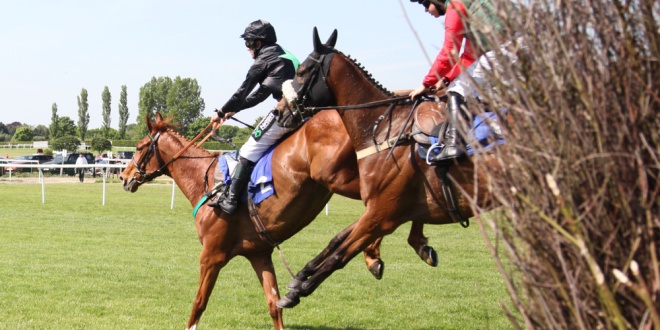
European horse racing stakeholders have come together to protect the sport from the potential introduction of an EU-wide gambling tax.
Given Ireland’s current Presidency of the Council of the EU, Thomas Byrne TD, Minister of State for European Affairs, and Simon Harris TD, Minister for Finance, have both been approached by the European and Mediterranean Horseracing Federation (EMHF) and the European Trotting Union (UET).
In their letters, the organisations argue that horse racing betting should be left out of any conversations regarding a new EU-wide online gambling and betting tax as part of Brussels’ plans to increase the Union’s Budget between 2028 and 2034.
The conversation about the levy was first brought into the spotlight back in February by Victor Negrescu, Vice President of the European Parliament, who saw an opportunity to generate “between €2bn-€4bn per year” in additional funding.
Horse racing proposals face backlash far and wide
The gambling sector, which is already facing high taxes across individual European jurisdictions, naturally opposed the idea.
Marteen Haijer, former Secretary General of the European Betting and Gaming Association (EGBA), then commented: “Imposing an EU tax on top of existing national taxes would only make this situation worse: expanding the black market, harming European consumer protection and ultimately leading to lower tax revenues for Member States.”
More recently, Negrescu’s proposal was scrutinised by the Polish gambling sector, which noted that such a move would not only put additional financial strains on the industry, but would also infringe on the provision of fair competition.
The EMHF and the UET have now raised similar concerns over a potential negative impact on government revenues, sustainability of the licensed betting sector, and a direct risk to horse racing.
Examples of the latter already exist throughout Europe, specifically in the UK where a recent increase in taxes for remote gambling providers led to multiple brands having to scale back their operations, including horse racing sponsorships.
And despite the fact that the UK’s horse racing industry is still suffering from a plethora of challenges, the British Horseracing Authority’s (BHA) #AxeTheRacingTax campaign ended up being a successful one 12 months ago when horse racing was exempt from tax rises, with general betting duty on the sport remaining at 15%.
Lobbyists for the EU’s horse racing sector may have their hopes hinging on policymakers being somewhat sympathetic towards the sport too.
Dr Peter Truzla, President of the UET, said: “Legal betting is what funds horseracing, and with it breeders, trainers, racecourses and rural jobs. An additional tax would push more business towards illegal operators, reducing revenue for governments and racing alike and leaving consumers with less protection.”