UK bookmaker betTOM has applied for an Irish B2C remote betting licence as it continues to scale throughout a tricky period for the gambling industry in its home nation.
The challenger brand, which has been on an English Football League (EFL) marketing spree in the last few months, announced its latest statement of intent on LinkedIn.
“betTOM is taking its next step into the Irish market,” the post read.
“We’ve published our Notice of Intent to apply to the Gambling Regulatory Authority of Ireland (GRAI) for a B2C Remote Betting licence under the Gambling Regulation Act 2024.
“Ireland’s new licensing regime sets a high bar for consumer protection and responsible operation, and we’re looking forward to working with the GRAI through the process.”
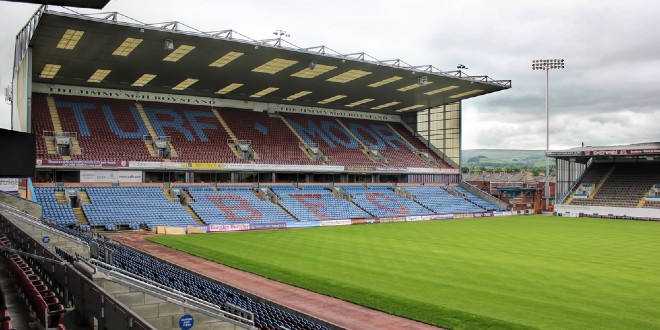
The business only launched in May 2025 but clearly has big aspirations, with this licence application following sponsorship deals with EFL clubs Burnley FC, Stockport County and Peterborough United.
Having undergone a “very promising first year in operation” in the UK, according to betTOM Chief Executive Officer, Paul Colley, there will be high hopes internally that the operator can stamp its authority on the new look Irish market.
This promise came despite headwinds arriving just months after betTOM’s launch, with the November 2025 Budget dealing the industry a blow via increased taxes on remote gaming and general betting.
Industry-wide doubts regarding the going concern of challenger brands were prominent, as taxation squeezes the smaller operators first and the larger businesses pick up market share.
But betTOM is clearly finding some success, and a launch in Ireland offers a different revenue stream in a more lenient market.
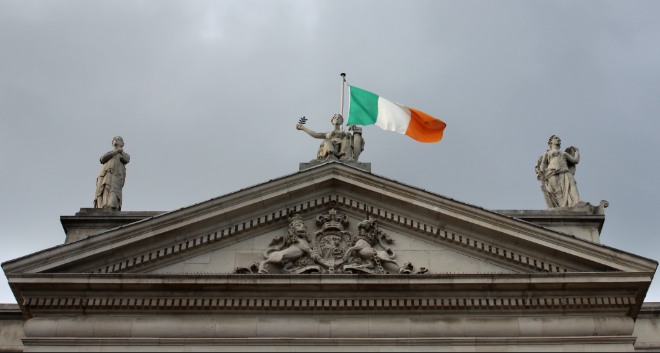
Ireland underwent its most significant gambling reforms in history earlier this year, culminating in the GRAI taking charge of the online Irish betting market.
Operators are subject to 2% duty paid on the stakes placed by customers. There is some lobbying for an increase, however.
For betTOM, the focus will not be on mitigation strategies immediately upon entering the market, should it be granted a licence.
The bookmaker has already shown that its presence is growing in the UK via football sponsorships, and it will want to make a good impression early on in Ireland if and when it enters the market.