Ireland’s betting industry is pushing back against reported proposals that Dublin should increase gambling tax rates, a move that would make the country the latest European nation to dig into gaming revenue to boost state finances.
Irish betting is currently subject to a 2% duty paid on the stakes placed by customers, though this is paid by the operators, not the bettors themselves. Pool betting duty is set at 1%, but this is expected to increase to 2% when the 2027 budget is announced.
According to the Racing Post, as well as Irish media, the government is considering increasing the 2% betting duty in the budget too. The duty is paid on both online and retail bets.
From what we know about Ireland’s Budget 2027 so far, the government has €7bn in public spending planned and €1.5bn in tax reductions – increasing the betting taxes is being looked at as one of a number of ways to pay for this.
Ireland’s bookmakers push back
As expected, Irish betting firms are not taking these conversations well.
A key argument being made is the same one seen in a plethora of other markets that have raised or are looking at raising betting tax – from the UK to the Netherlands to Brazil – the risk of black market activity.
Writing on LinkedIn, Anthony Kaminskas, founder of Dublin-headquartered AK BETS, criticised the existing turnover tax as “already punitive”, and added that increasing it will leave regulated Irish operators just three options.
These are: offering only casino products and removing their sports betting one, offer “awful prices” on sports bets, or charge customers “a tax on their bets”, such as a €100 bet costing a customer €105.
All of these options would be either “giving sports bets to the black market” or make the industry “uncompetitive to the black market”, Kaminskas said.
“Black market is going to capture a large double digit figure of market share soon in Ireland,” he said, citing the UK as an example of where increasing betting taxes is leading to an increase in unlicensed activity.
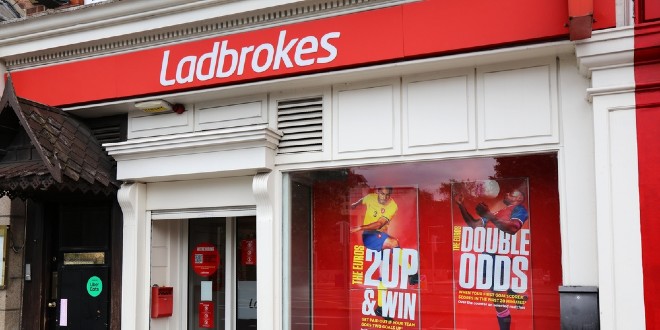
The Irish Bookmakers Association (IBA) has echoed this argument, as reported by the Racing Post. The newspaper states that the trade body has warned that increasing the betting duty would lead to more closures of betting shops, job losses, and more illegal activity.
The IBA claims that the doubling of betting duty from 1% to 2% in 2019 has led to 222 betting shops closed and “roughly 1,000 retail jobs” being lost – though in all fairness this could also be attributed to the general shift towards online betting and away from retail betting seen across many markets, including Ireland.
In a submission to Simon Harris, Ireland’s Finance Minister, seen by the Racing Post, the IBA warned that: “Every euro of additional cost on a licensed operator has to be recovered somewhere, usually through reduced odds and reduced value for customers.
“Unlicensed operators recover nothing, because they pay no duty, no levy and no compliance cost, and they offer none of the consumer protections that licensed operators are required to provide.”
Not everyone with an industry background is opposed, however.
Stewart Kenny, one of the co-founders of now-Flutter Entertainment brand Paddy Power – the biggest betting company in Ireland by online traffic according to Blask, and fourth biggest in the UK – is calling for a 40% tax on online betting and casino revenue, according to The Irish Times.
The conversations around tax come about in a new regulatory era for Irish gambling, with the market under the oversight of a newly established regulator, the Gambling Regulatory Authority of Ireland (GRAI), which enforces the terms of new legislation, the Gambling Regulation Act 2024.