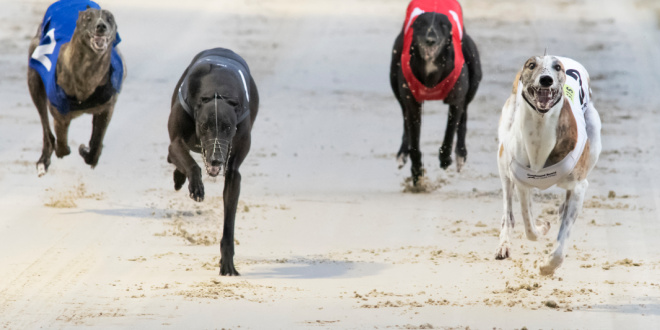
The governing body of British greyhound racing has asserted that the recently-announced reduction of coverage of the sport in the Racing Post should not be viewed as a “verdict” on its future.
On Monday 22 November, the Racing Post’s editor, Tom Kerr, announced that the outlet would “no longer publish daily news coverage of greyhound racing and greyhound cards will no longer be carried in the newspaper”.
From 10 December 2026, greyhound news, columns and cards will no longer be published in the Racing Post. From 11 December 2026, the Greyhound Bet platform will become the main home of Racing Post greyhound racecards, results, form and replays.
How can UK greyhound racing survive?
The Racing Post is not completely abandoning greyhound racing, and it will still provide racecards to retail betting shops and “cover greyhounds on merit” as Kerr put it, meaning major events and big races will still feature in the newspaper on an ad hoc basis.
However, the reduction in coverage is still a blow to the sport’s visibility, particularly as, like horse racing, it relies heavily on betting revenue for financial support. Unlike horse racing though, greyhound racing has found itself mentioned much less in debates around gambling regulation.
“With horse racing, when remote gaming duty increased they got to stay at 15%, whereas with greyhound racing it is going up to 22% with everybody else,” said Abbie MacGregor, Director of Corporate Affairs at the Greyhound Board of Great Britain (GBGB), speaking to SBC News ahead of the November Budget.
“I would ask that we get that same fair tax treatment on the basis that we have a unique funding model, just like horse racing. We are dependent on bookmakers, we are dependent on media rights companies to fund our sport. We’re not like football and cricket, which have got other big income streams.”
The sport of greyhound racing has its back against the wall in both a financial and political sense, and not just in the UK but internationally. On 31 July 2026, New Zealand banned greyhound racing under legislation approved by 112 MPs three months prior.
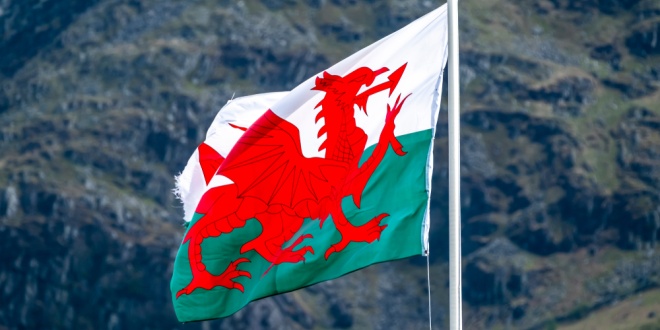
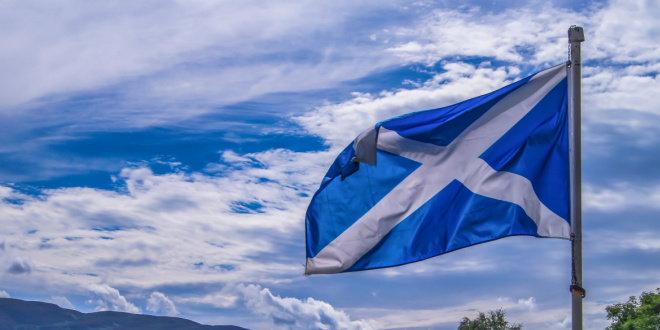
This leaves the UK, Ireland, USA, Australia and Vietnam as the only five nations in the world where greyhound racing remains legal. In the UK, however, it has been banned in Wales and Scotland, both approving legislation this year.
In a blog post following the Racing Post’s announcement, MacGregor added that she has “spent time in Wales” as part of the governing body’s 2026 media and political engagement strategy.
MacGregors time in Wales was spent “making the case against a poorly drafted piece of legislation whose consequences I believe will be disastrous for those who depend on Valley Stadium” – the only greyhound racing track in the country.
Despite the blow dealt via the Racing Post’s change in coverage,the GBGB remains confident. It is particularly confident that it is finding new audiences and avenues to air its voice, perhaps an unintended opportunity arising from the discussions around gambling tax in the lead up to the November 2025 and 2026 Budgets.
Examples of national media covering the sport and its concerns cited by MacGregor include GB News, TalkTV, the Sun and the Daily Express. MacGregor also made appearances at The Spectator‘s fringe events around the Labour Party Conference and at Sporting Heritage Annual Conference.
Speaking with SBC News, MacGregor shared two aspirations she and the GBGB have for regulation of greyhound racing. Firstly is the goal of getting the sport the same recognition horse racing benefits from, and second is a more general change in attitude at the Gambling Commission, Britain’s gambling regulator.
“The primary role of a regulator is to defend the best interests of the industry,” MacGregor told SBC News, adding that this is a task she does not believe the Gambling Commission has adequately stepped up to.
‘There should be someone from the Gambling Commission urging the government to protect those jobs. That’s what we do as a regulator. When there was a ban on greyhound racing in Wales, we were called upon to defend the industry, and we did.”
The tricky area for the Gambling Commission here is that as a regulator, it is also responsible for enforcing compliance – as seen by the various penalties it hands out to non-compliant operators.
Balancing defending the industry you regulate and enforcing it can be tricky. The Commission has also been very vocal about and active in confronting illegal gambling over the past year too, to give it credit.
Putting the Gambling Commission aside, at the heart of the GBGB’s media blitz in recent months have been two things – appealing to greyhound racing’s working class roots, and its economic role.
“Greyhound racing can provide a lifelong career, so it is really everything that the government says it loves,” MacGregor told SBC News, adding that some politicians “don’t understand the unintended consequences of what they’re doing”.
2027 could be the year that makes or breaks the sport of greyhound racing in the UK, with bans coming into effect in two of the country’s four home nations and two increases in gambling tax due to come into effect in April.
As the GBGB’s responses to the Racing Post’s winddown of coverage and MacGregor’s extensive media touring show, however, the sport is not prepared to give up…
“The paper’s decision comes at a time when publications of all kinds are cutting back as readers change the way they consume news; it would be a mistake to read a verdict on greyhound racing into a decision about the economics of a newspaper,” MacGregor wrote.