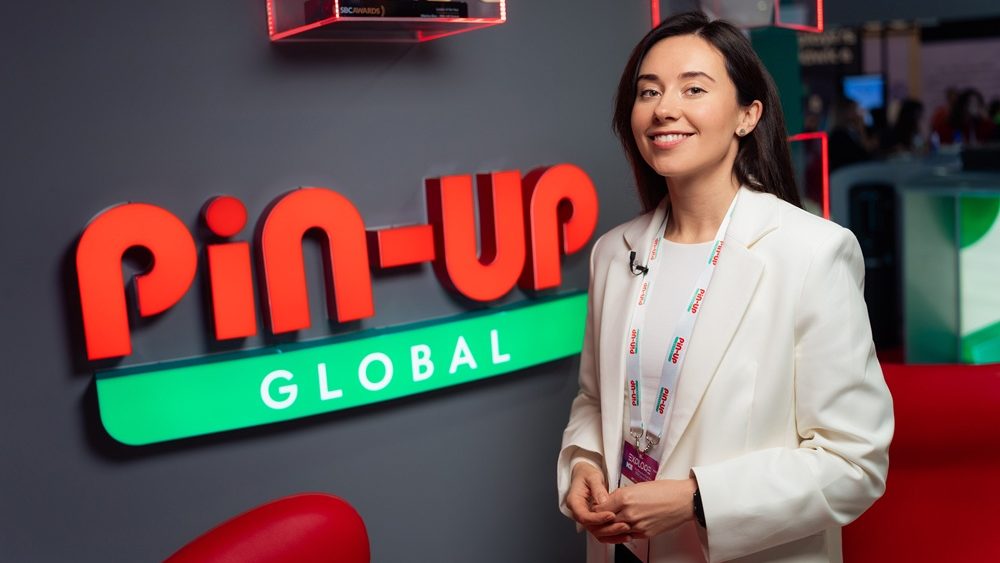
Simple and clear processes, automation, adaptability, values. These are the core principles that build an effective HR function, writes Oksana Izmailova, Chief Human Resources Officer at PIN-UP Global.
Believe me: the path to understanding this formula took much longer and was more complicated than it might seem at first glance. But today, it’s a way to describe all the processes in the international holding company PIN-UP Global and explain how the HR function remains the main tool for scaling the business. This is exactly what I discussed as a speaker at the charity HR/Recruitment conference that recently took place in Paphos, Cyprus, and now I want to share it with you in this article.
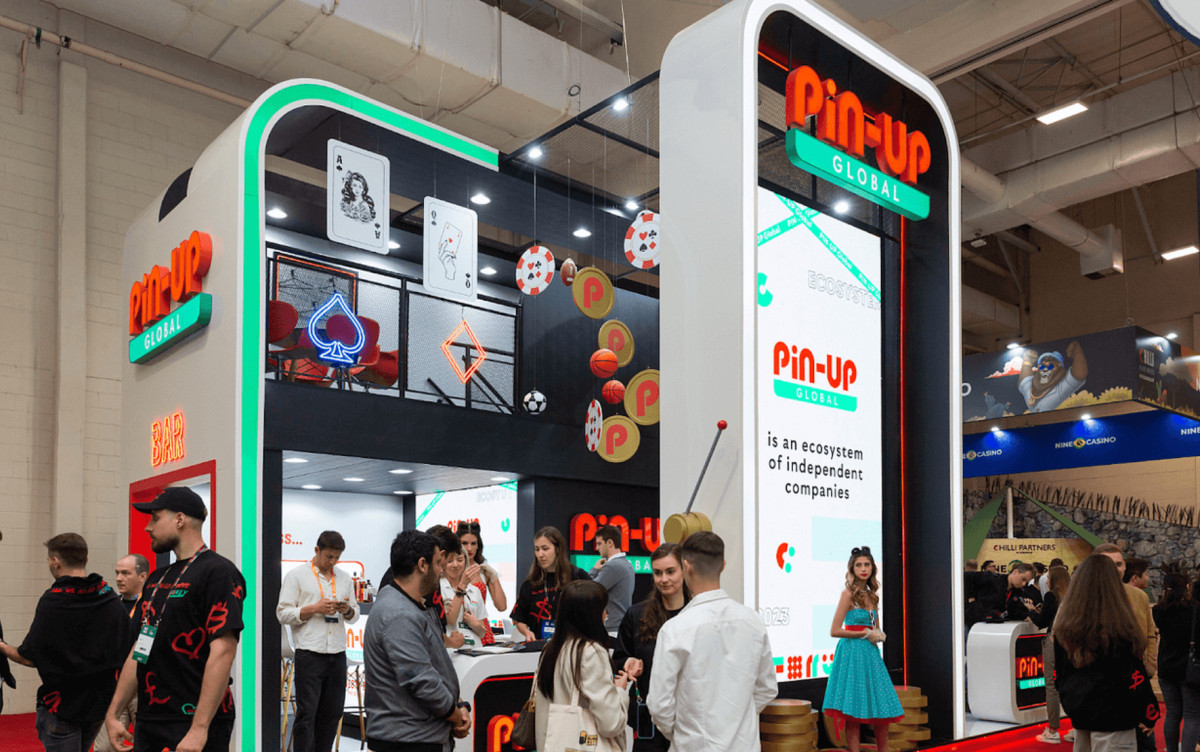
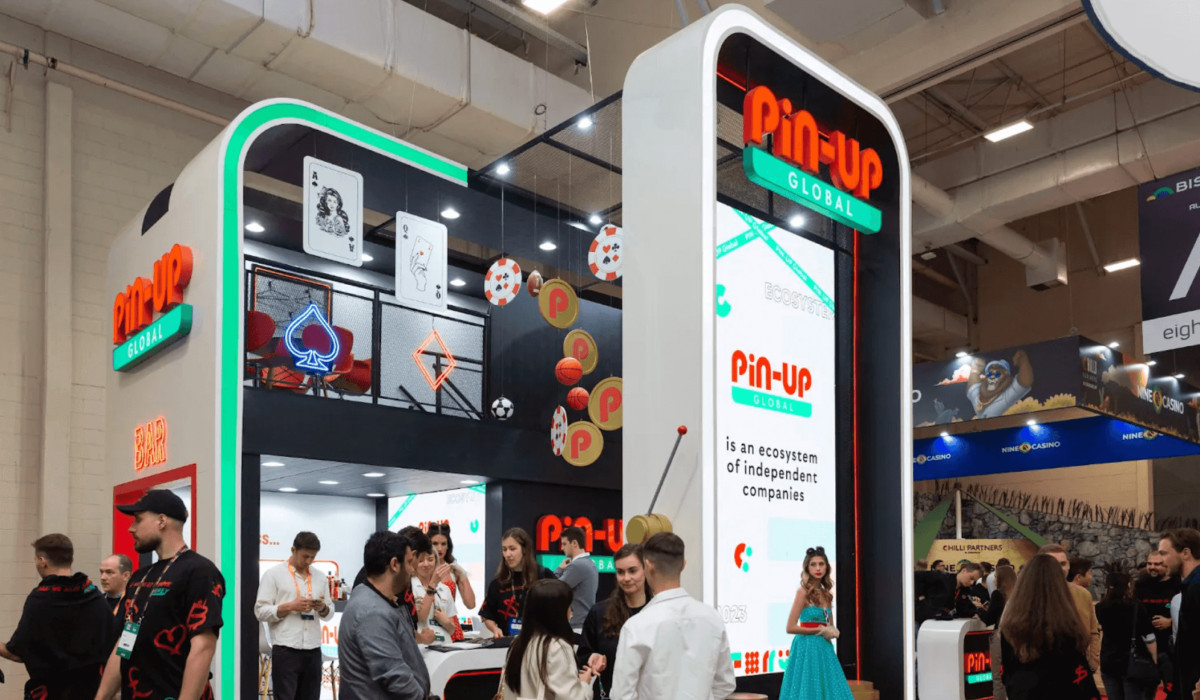
Let me start by saying that over the past year alone, PIN-UP Global has grown by 58%. My HR team consists of 220 people. This is a large structure with recruiters, sourcers, business coaches and human resources partners. PIN-UP Global specialists work all over the world, as we have offices in seven countries.
Such rapid business growth, of course, requires a thoughtful approach to the team workload. For example, we have a fully automated onboarding system based on our internal PIN-UP Team platform, as well as mentoring. This enables us to reduce the stress of onboarding for both new employees and the receiving teams. And thanks to the automation of key HR processes, we are able to scale as fast as the business needs, maintaining a clear balance in our teams.
Simple, fast and vibrant processes. Or the way we build HR on our own values
So, let’s talk about how we build HR processes at PIN-UP Global.
Principle No. 1 is simplicity and transparency. All processes should be so clear that every employee, no matter what their position, can easily understand how everything works, what follows, and what is expected of them.
Principle No. 2 is promptness. We don’t believe in long-winded mechanisms that blur responsibility. Everything should be clear, well-coordinated and substantive. And, accordingly, it should be fast.
Principle No. 3 is automation and flexibility to meet the needs of different areas, as we have many teams, so a one-size-fits-all approach does not work here.
All these principles I have listed are based on another important pillar – our corporate values. It all starts with them.
To formulate our values, we’ve held dozens of internal interviews and studied what is important to our employees and the business for efficient operation. Our values represent us honestly, transparently, in our own words.
So, here they are.
- Leadership, but not a formal one. It is our inner desire to always be better, stronger, faster. It is about our ambition and our constant asking ourselves: “Can it be better?”
- Proactivity. We have zero tolerance for indifference. We expect our people to be proactive, driven and highly motivated.
- Professionalism. PIN-UP Global has zero tolerance for nepotism. If you work well, you have full opportunities. If not, then, sorry, you’re no longer with us. It is as simple as that.
- Teamwork. And it’s not just about partnership, it means that our specialists interact like a perfectly tuned clock.
- Direct communication. We don’t keep silent. If there is something wrong, we speak up. Frankly, straight to the point.
These values do not hang on our posters. They are embedded in our daily decisions, in our processes, in our performance evaluation and in the way we build our team.
Our Performance Review system: not about ‘trying’, but about results
To better understand how the HR function works in our holding, I would like to present two examples – Performance Review and Salary Review.
Speaking about Performance Review, I should say at once that “I tried” does not measure the result. Our criteria are much more complex.
It all starts with a job offer. Everyone who receives an offer from our company can see specific goals and objectives for a trial period of three months at once. And even before signing the offer, a person can determine whether he or she can fulfil it. If there are any questions, candidates can immediately contact the future manager, discuss the goals and decide whether they are suitable for the challenge.
After the trial period is over, new goals are set for the next period. It can last for four, six, nine months or a year. It depends on the role and level of the position. The higher the position, the longer the goal planning horizon.
We are constantly improving the Performance Review process. For example, when we first launched it, we made it open. But the feedback was too “sweet”. Everyone was praising everyone. So we changed our approach. Now the feedback is anonymous.
Functional managers launch the performance review. They define the employee’s professional goals and evaluate the way they have achieved them. After all, it is the functional manager who assesses the depth of expertise and the quality of tasks performed.
Now a few words about the survey process itself. We have a 360-degree approach, and every stage of the process is based on this logic. First, we form a list of respondents, covering as many colleagues with whom the specialist works as possible. As a result, we have to get a complete image with all points of view taken into account.
The first thing we evaluate is the work done over the previous period (for example, six months). Everyone in the company has a Stuff card and goals fixed there. Moreover, our corporate social network PIN-UP Team has a personal account where these goals are also displayed.
When an employee passes a Performance Review, they open a section with these goals and fill in the percentage of their achievement in the relevant survey. In addition, we assess proactivity, interaction efficiency, result orientation, etc.
By the way, when someone in a senior position is performing, we also assess leadership qualities, as well as the ability to think strategically, focus on business needs and implement changes.
In general, the assessment comes from several sources: self-assessment, assessment by a manager or managers, feedback from colleagues, and also an assessment by subordinates if it is a managerial position.
How Salary Review functions
Now let me tell you about the Salary Review process. It is as automated and simple as possible.
The manager goes to the employee’s card, clicks the “Salary Review” icon, selects the percentage of increase, and describes the reasons why he or she is launching this process.
Then this task automatically goes to the C-level manager. For example, to me. I open it and see full information about the person: why the Salary Review was launched; how much of an increase is planned; when the last salary increase was made; how many times it has already happened.
We consider that salaries should only be increased for a clear reason, such as a new position in the company or an increase in the specialist’s competences. All the reasons are described in our policy, and managers must provide them when launching the Salary Review.
Salary calculator
To ensure that decisions on raises are transparent, reasonable and controlled, we use a salary calculator. Every C-level manager has this tool. They can log into the system and check whether a particular employee’s salary is within, below or above the market rate. The calculator also has a formula and the ability to see how a specialist’s salary will change due to a certain percentage increase.
Accordingly, PIN-UP Global constantly monitors salaries to keep them competitive. Firstly, our recruitment team collects information from the market about the expectations of candidates. Besides, we buy independent analytics and constantly monitor open sources. And once a quarter, we audit the remuneration fund in each team.
We deliberately build a system where salary is a reflection of real contribution, results and professional growth. At PIN-UP Global, every single remuneration decision must be transparent, reasonable and strategically justified. That’s why we invest in process automation, develop a culture of responsible management, and constantly improve our HR tools.
Because people are the focus of our business. And we know for sure that strong teams create strong business.