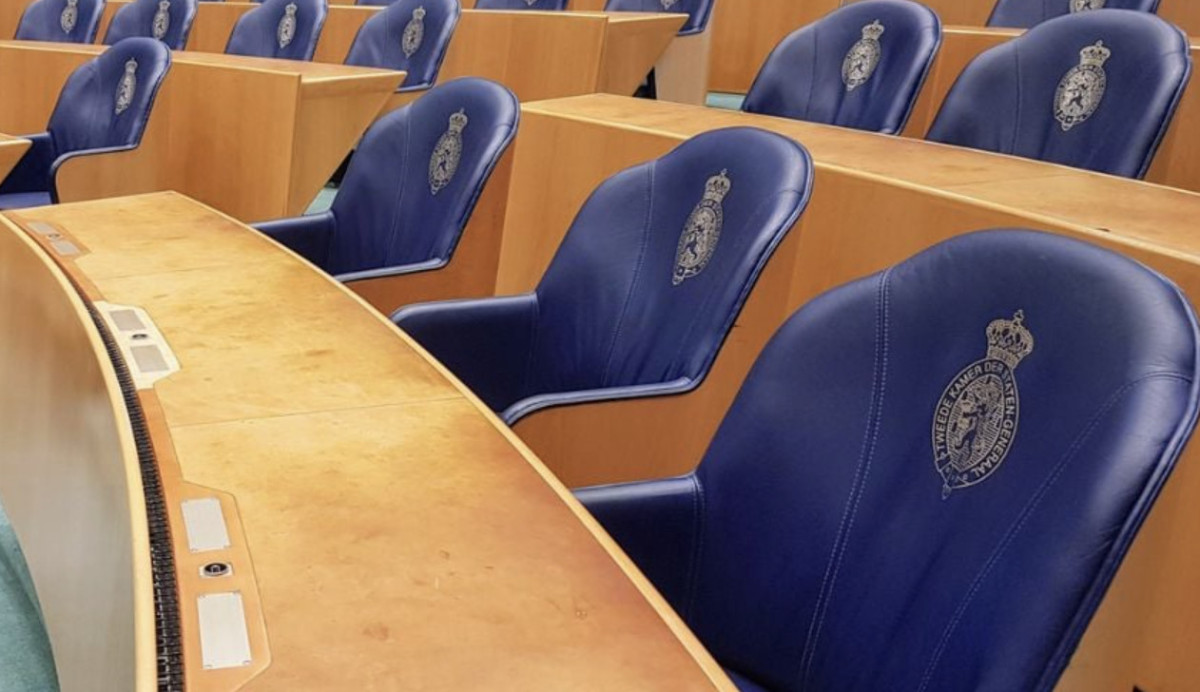
The Kamer has been warned that Dutch gambling will require a new guaranteed funding model to research the addictive behaviours and psychological disorders linked to problem gambling.
The demand has been made by the Dutch Institute of Psychologists (NIP) as its headline measure of the forthcoming overhaul and relaunch of the Netherlands’ online gambling regime, to replace the existing Remote Gambling Act (KOA).
Publishing its paper of recommendations, NIP members expressed their support of State Secretary Teun Struycken’s forthcoming reforms to implement an outright ban on advertising and impose an under-21 restriction on high-risk games.
In February, Struycken announced that he had secured a mandate to re-launch the Netherlands’ online gambling regime, with a view to impose stringent protections on consumers aged under 24 – a principle supported by NIP.
Independent oversight of new regime
Psychologists have warned that legislative proposals risk falling short unless they establish an independent oversight system and a dedicated funding model for research and treatment of gambling addiction.
Central to NIP’s proposals is the call for external, independent oversight of licensed gambling operators, placing public health experts in charge of auditing protective measures and intervening when risk thresholds are exceeded.
The psychologists argue that current “self-regulatory” approaches are failing, allowing gambling companies to dictate the terms of duty-of-care without transparency or public accountability.
“Commercial parties have no business conducting health assessments using proprietary algorithms that cannot be scrutinised,” the NIP paper states.
“When financial thresholds are crossed, the assessment of whether a player can afford to continue gambling must be made by an independent expert — not the casino profiting from them.”
Mandatory funding model
To support long-term prevention and intervention strategies, the NIP has proposed the creation of a ring fenced research fund dedicated to studying gambling-related behavioural and psychological disorders.
This fund, the group suggests, should be independent of both general government budgets and gambling provider contributions, and instead sourced from earmarked gambling taxes.
The model would replace the current Addiction Prevention Fund structure, which is partially funded by mandatory operator contributions. Psychologists say this model is unstable and vulnerable to political interference, especially amid public budget tightening.
“Without guaranteed, independent funding, we cannot develop the science or treatment networks needed to protect vulnerable people,” said Dr. Marloes Bakker, an addiction psychologist and NIP spokesperson. “Gambling harm is a public health crisis, and it must be addressed with the same rigour as alcohol or tobacco policy.”
Expanding Dutch Pathways
NIP further urges the government to expand specialised care networks for gambling addiction, citing a severe lack of clinical expertise and treatment availability in the Netherlands.
As part of the reformed regime, the organisation wants to see the establishment of regional treatment centres linked to universities and mental health institutions, where patients can access tailored behavioural therapy, psychological diagnostics, and recovery pathways.
Treatment access should be supported by preventive measures, including early intervention systems, automated alerts for harmful gambling behaviour, and clear public education campaigns designed in collaboration with health authorities..
As the General Election on 29 October 2025 approaches, the Kamer remains adamant that the mandate to overhaul the Dutch online gambling sector will be maintained, regardless of the election outcome.
The initiative has broad cross-party support, reflecting a rare political consensus following the break-up of the Conservative coalition government in May.
Healthcare experts remain clear: without independent oversight and guaranteed investment in behavioural research and treatment networks, gambling harm will persist.
“The public will not accept a market where profits grow and protections remain optional,” said Dr. Marloes Bakker noted: “This is the moment for the Netherlands to lead Europe in building a gambling regime grounded in science, independence, and care.”