Britain’s betting industry has reacted with vindication following the results of a Gambling Commission study into online illegal gambling, though the results may also leave the regulated sector with some food for thought…
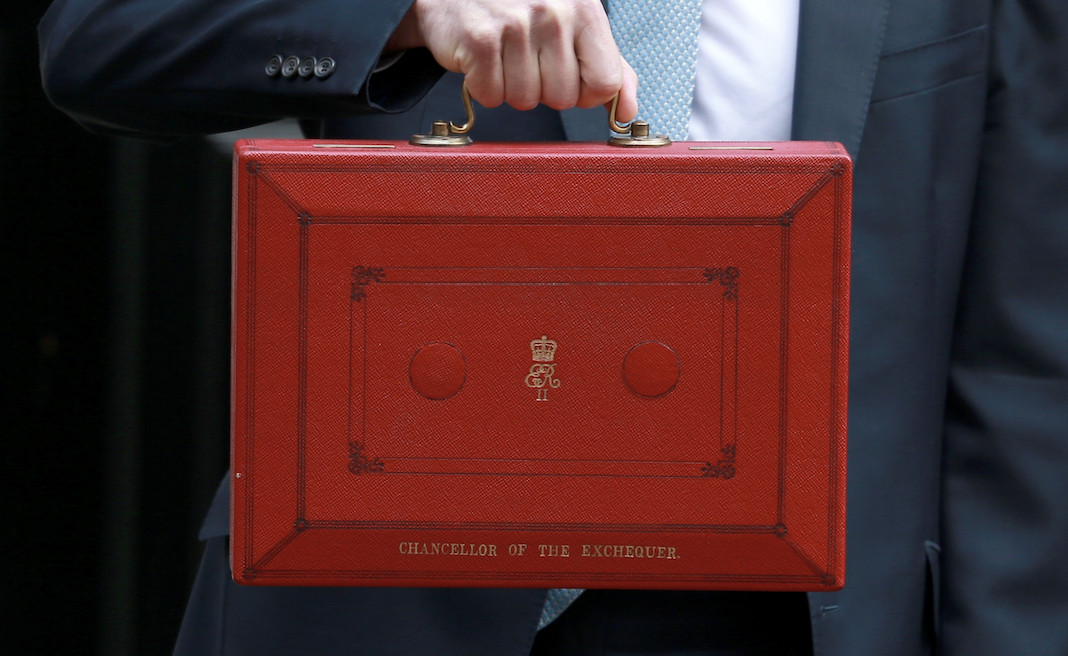
Coming the same week that the government revealed its budget, with an increase in Machine Games Duty (MGD) to 25% to add onto a prior increase in online gaming tax, the Gambling Commission’s study has strongly associated illegal gambling and gambling related harm.
The regulator’s study of customer transactions to both legal and known illegal sites found that 45% of people who transact with illegal operators have a Problem Gambling Severity Index (PGSI) score of eight or more.
In contrast, just 6% of people who transact with legal companies had a PGSI score of eight or more. A further 16% of those who transacted with illegal operators had a score of three-to-seven, in contrast to 8% who transacted with legal ones.
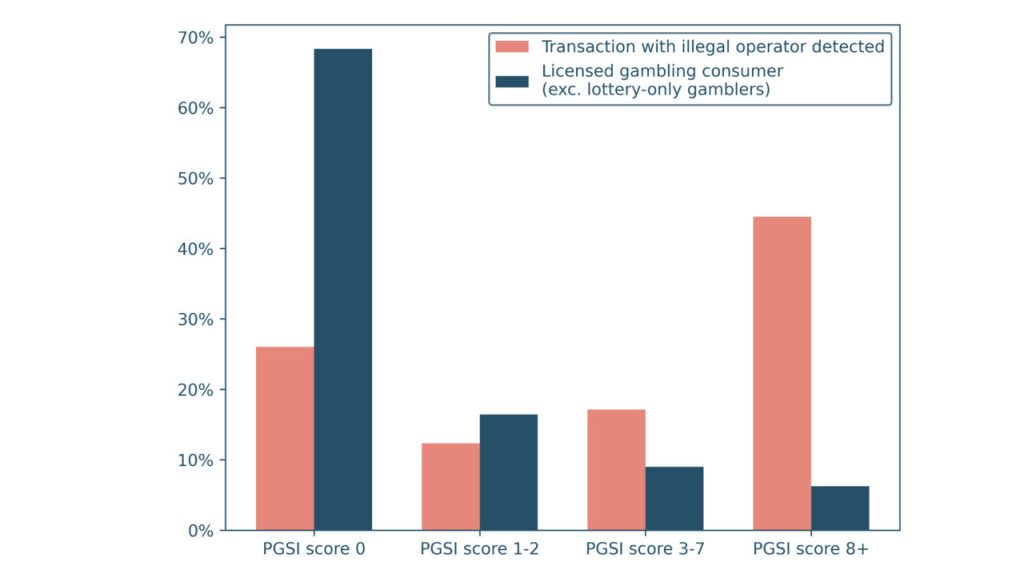
The higher range of illegal gambling transactions among these PGSI groups may be due to self-excluded customers finding non-Gamstop casinos and betting sites, thereby circumventing their exclusion from the regulated market via Gamstop.
“People are closing their eyes to the threat illegal sites pose – not least the campaigners who spend all their time shouting at the regulated sector,” an industry source told SBC News.
“You can’t hope a problem away.”
Concerns reinforced
The Commission’s survey has a rather small sample size, consisting of 179 individuals’ transactions, with PGSI scores held for 146 of these.
The majority were male, and had an average age of 44, so the results can’t be directly applied to the entire UK adult gambling population.
Nonetheless, the results do still give an indicator of gambling behaviour – particularly how it relates to the black market, a common industry talking point in debate around regulation and taxation.
“It’s a small-scale study survey,” says Dan Waugh, Partner at gambling advisory Regulus Partners.
“However, the results showing that people playing in the black market are significantly more likely to be at risk of harm are consistent with the wider research literature.
“They reinforce concerns about growth in unlicensed gambling.”
Another notable conclusion from the study was the consistency of transactions to unlicensed gamblers. Although overall it appears that gamblers still transact far more with the regulated sector than with the unregulated one, once a customer gambles with an unlicensed site, they seem to stick around.
The Commission found that, on average, those who gambled with unlicensed firms initially made an average of 4.9 transactions to these platforms in the first month after first engaging with them.
This then fell to 1.8 transactions two months after, 1.4 three months after, back up to 1.9 four months after, and then down 1.2 and 1.5 transactions five and six months after, respectively.
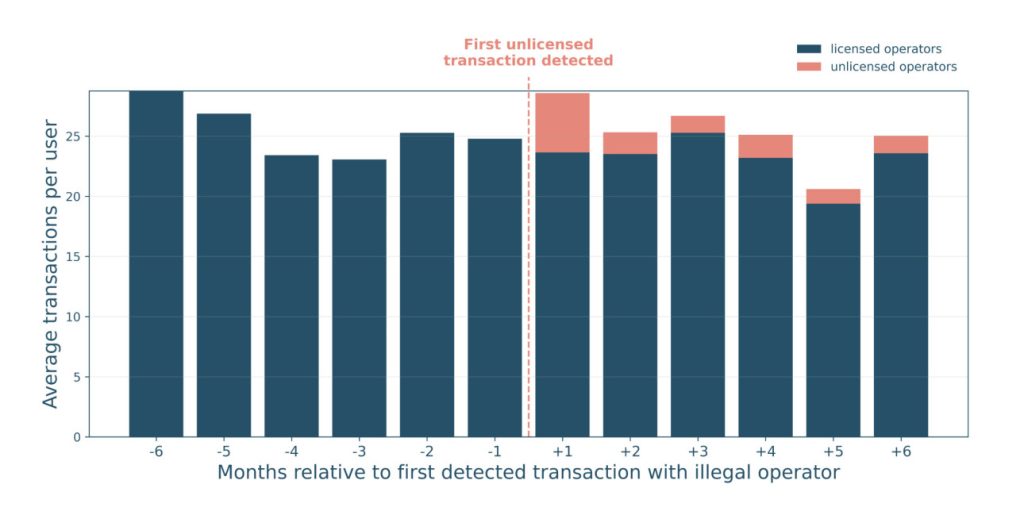
For the regulated industry, the stats serve as a reminder of the constant lingering of the black market at a time when legal firms are facing tighter regulations, such as Financial Vulnerability Checks and the dreaded Financial Risk Assessments (FRAs), and higher tax rates.
Industry protests against perceived over-regulation and over-taxation over the years have heavily lent on the black market argument, although recent lobbying against MGD raises focused more on employment – a wise move as politicians have clearly become numb to, or in some cases just don’t believe, the black market argument.
“The Gambling Commission figures highlight why it is so important for the government and the regulator to tackle the illegal and unlicensed market,” a spokesperson for Flutter UKI, operator of Paddy Power, Betfair and Sky Bet, told SBC News.
Addressing the legal-to-illegal overlap
The survey – which as mentioned above, does have a small sample – does leave a little to be desired, and resulted operators might not even be entirely on board.
The exclusion of lotteries in the 6% figure of those with PGSI scores of eight or more who gamble with licensed operators, for example, may frustrate some bookmakers and casinos which have long argued that the National Lottery should be held to the same standard they are.
However, the study also doesn’t pass the buck of responsibility from the regulated industry.
Notably, 91% of people who transacted with illegal gambling firms also gambled with the legal sector simultaneously. The Commission stated that it found “substantial overlap between the two”.
And if gambling with illegal firms is a sign of problem gambling behaviour, as the PGSI score-related stats suggest, this implies that a number of people struggling with problem gambling continue to gamble with the regulated sector – and this needs attention.
To properly talk the talk when it comes to pointing out the black market’s obvious risks and lack of responsibilities, the regulated industry needs to make sure it walks the walk as well.