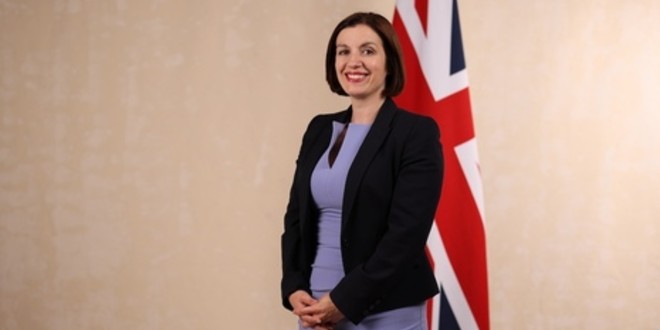
Labour MP Alex Ballinger has called on the British government to ramp up taxation on gambling companies, arguing that the current system is failing to hold the industry accountable for the harm it causes.
Interviewed by Politics Home, the MP for Halesowen described the government’s recently introduced statutory levy – anticipated to raise £100m a year for NHS-led addiction treatment – as inadequate.
“That’s a positive move, but it’s just a drop in the ocean,” he said. Instead, the MP believes that changes to the way gaming is taxed may be needed to fill in any gaps left by industry contributions to charities, mandatory or otherwise.
The government is currently consulting on simplifying gambling taxes by merging General Betting Duty, Remote Gaming Duty, and Pool Betting Duty into one, Ballinger warned that such a change could have serious unintended consequences.
The current structure taxes Remote Gaming Duty (covering online slots, games, poker, and bingo) at 21% of gross profits, charged on a place of consumption (POC) basis.
HMRC applies a three-tier charge for General Betting Duty: 15% for fixed-odds bets, 10% for sports spread bets, and 3% for financial spread bets. However, the new system, which was proposed in April, would apply a single tax rate using the POC principle, aligning all charges under a unified format to simplify Remote Gambling tax duties.
However, Ballinger believes that different types of gambling should be taxed differently, based on the level of harm they cause.
He explained: “Combining the duties might have unintended consequences, because it would create an even higher incentive for companies to steer people towards the more harmful forms of gambling.
“Online casinos and slots should keep paying a higher rate of tax than your local bingo hall or bookmakers.”
Tax concerns becoming more widespread
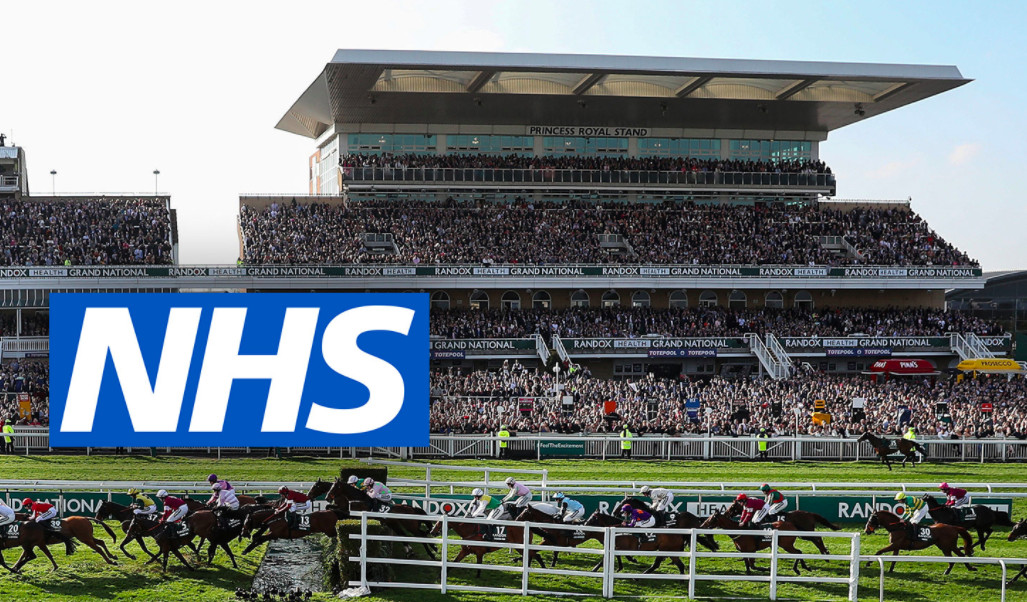
Ballinger is not the only one against the single rate tax – the proposal has been met with a lot of opposition from the racing industry. The BGC, as well as stakeholders in the sector, are concerned about the impact it could have on bookmaker finances.
“Odds will get worse, places will be shortened if the tax is increased on the products,” BGC CEO Grainne Hurst said, asserting that there could be ‘loads of unintended consequences’ across betting and racing.
The All‑Party Parliamentary Group (APPG) also recently warned that taxing horse race betting at a 21 % rate could cost the industry £40m+ annually, reducing operator incentives to support racing via sponsorship, ads and promotions
The British Horseracing Authority (BHA) has also highlighted the risks of job losses (85,000 employed) as well as a potential decline in the sport’s £4bn economic contribution.
Ballinger’s concerns seem to relate more to gambling harm, rather than the potential impact on racing – which as noted above has been the main talking point around taxation in recent weeks.
As stated in Politics Home, the MP believes that the UK should tax gambling in a similar way to other European countries like Greece. Online gambling is taxed at 35% in Greece, while the UK rate for these products is 21%.
“We’re looking at ways that we can reduce that harm to people, and so that those particular types of gambling pay more for the costs that they’re causing to the community” Ballinger continued. “And the way we do that is through the taxation system.”