Bookmakers who attended last week’s Royal Ascot festival may well be licking their wounds after a myriad of ‘punter-friendly results’ at this year’s meeting.
The world-renowned, five-day horse racing extravaganza took place from 16-20 June in the blistering Berkshire heat – for the most part anyway – with Ombudsman, Scandinavia and Giovelotto coming out trumps to name a few.
With 294,541 in attendance – exactly 8,000 more than last year’s turnout – a clear appetite for racing in the UK remains, despite somewhat of a negative outlook looming over the sport.
“It was fantastic to have Their Majesties The King & Queen in attendance on all five days,” Ascot Racecourse’s Head of Corporate and Industry Affairs, Will Aitkenhead, told SBC News.
“The appetite from participants to be involved at Royal Ascot has never been higher – showcased by some of the best horses from Australia, Japan, America and France travelling over as well as leading jockeys such as James McDonald who was fairly effusive in his praise for the event.
“We saw a record number of runners in the week at 634, which highlights the importance of the week to owners and trainers here at home as well.”
Doom and gloom for UK horse racing
Some of the said negativity around horse racing has come from bookmakers, who have cast doubts over the sport’s long term future due to a lack of innovation, as well as the growth and now persistence of the black market.
And even though this week showed that there is still huge engagement in UK horse racing, last week may have done no favours to perk the bookies up.
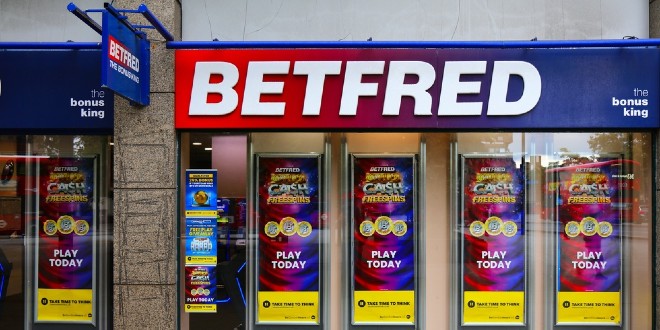
A total of 13 favourites romped to victory down south, and a spokesperson for Ascot’s official bookmaker partner, Betfred, said that the operator “did their conkers and had a stinker at Royal Ascot”.
A similar sentiment was shared by DragonBet, with Co-Owner James Lovell, commenting: “On the whole, it was a tough week for bookmakers generally. The big races are where the biggest bets are placed and, this week, most of them landed. Scandinavia, Bow Echo, Ombudsman and Precise all getting their heads in front meant that a “good” Royal Ascot was never really on the cards from a bookmaker’s perspective.
“We battled hard in the handicaps and managed to come out on the right side of a number of those races, but it didn’t take long for the sharper punters to identify the draw bias.
“As a result, even some of the races that you would normally describe as “bookmaker results” weren’t quite as beneficial as you might have expected.”
Racing soldiers on through regulatory upheaval
Horse racing in the UK came to an unprecedented standstill just under a year ago, highlighting the pressure that the industry was under.
The British Horseracing Authority (BHA) cancelled meetings in September 2025 at Lingfield Park, Carlisle, Uttoxeter and Kempton Park in response to potential tax hikes on the sport, though they never came.
Even though they didn’t arrive, Remote Gaming Duty tax increased to 40% in April this year, and General Betting Duty will rise from 15% to 25% in April 2027.
The #AxeTheRacingTax campaign gained a lot of momentum in 2025, with support from MPs and The Sun newspaper. In 2026, fears that tax raises could drive further growth in illegal gambling are still prominent among licensed bookmakers.
Adding ‘punter-friendly results’ on top of this concocts somewhat of a recipe for disaster for operators at Ascot.
The number of winning favourites has been abnormally high at Royal Ascot for a few years now. Last year’s meeting saw 14 winning favourites, and in 2024 there were 12.
Of course, bookmakers account for this to some degree, and you can never fully predict the outcome of a horse race, but this begs the question – is Royal Ascot still worth it?
Bookies at Royal Ascot remain “incredibly important”
Despite this, Ascot representatives were keen to acknowledge that the relationship between themselves and bookmakers is still as important as ever.
Aitkenhead continued: “Having a vibrant and strong betting ring is incredibly important to the overall racecourse experience for customers. Betting on course in the ring remains very popular and for us it’s about providing a variety that customers can choose from.
“We had about 220 on-course bookmakers with us on Thursday, Friday and Saturday with the Queen Anne Enclosure pitches full while there are also Betfred shops as our official bookmaker as well as Bet With Ascot for those that want a pool offering.
“We always have constructive conversations with bookmakers and there were lots of positive comments from last week.”
With the prominence of Bet With Ascot, however, and it – alongside other flagship UK racing events – being a costly one for bookmakers to attend, some have been put off by it.
“Treated like children”
Geoff Banks, who runs the Geoff Banks Bet bookmaker, sold both of his list positions at the racecourse prior to the festival because of this.
He argued: “It’s hugely uncompetitive. It’s like the cowboys being surrounded by the Indians. The only betting booths in the Royal Area are Ascot’s own.
“It’s an environment where they’re charging the bookmakers the maximum, and treating them very poorly. Bookmakers get treated as if they’re children and are surrounded by Ascot’s own betting products, which basically means that nobody’s getting near to the ring.”
As always, though, there are two sides to the story, and there were still some positives for the bookies.
Fitzdares’ Marketing Manager, Henry Beesley, told us: “We had a couple of tricky days in the middle of the week, notably on Thursday with several fancied runners going in for the punters.
“Scandinavia was our worst result in an absolutely spectacular renewal of the Gold Cup, and we also suffered in the last when the well-backed Mezcala got up to win by a neck, which was also the worst result for us in the book. Saturday, however, was much more favourable with the two really well-fancied runners, Saber Strike and Joliestar, getting beaten.”
But even though some wins for the bookies occurred, Banks argued that more of his fellow operators should challenge Ascot on their downfalls – or at least in his opinion.
He claimed that “nobody is getting fat out of being a bookmaker these days” amid a “hugely uncompetitive environment”, adding that other festivals, like Cheltenham, make it a policy that punters have a better choice.
In response to this, Aitkenhead told SBC: “Since 2018 the number of Bet With Ascot booths/units has actually reduced with the removal of booths from the Trackside Lawns, walkway, bandstand lawn, concourse, Royal Enclosure Gardens, Village and Windsor Enclosure Lawns.
“We have made significant investment in staff training and pay for staff which helps to improve the service provided to customers and we’ve seen turnover increase as a result of this. SSBTs are also in operation in some locations which again are proving popular with customers.”
The elephant in the room
Maybe the most-discussed subject in UK horse racing so far in 2026 has been the implementation of Financial Risk Assessments (FRAs), which the industry has more generally referred to as ‘affordability checks’.
The rollout of FRAs – the more stringent measure proposed by the April 2023 Gambling Act review White Paper – has been on hold for over a month now, as many expected them to come into being on 21 May.
The general consensus is that they will still be implemented sooner rather than later.
FRAs are intended to come into effect in cases where customers have lost large sums of money in a short space of time, with Financial Vulnerability Checks having been in force since February last year.
Vulnerability Checks were initially introduced with a threshold of a net deposit of £500 within a rolling 30 day period, but this dropped to £150 in August 2025.
There has been widespread outrage about FRAs being implemented in their current form, with critics ranging from Reform UK Leader Nigel Farage and Broadcaster Matt Chapman, to the Betting and Gaming Council’s (BGC) Chief Executive Officer Grainne Hurst and gambling reform proponent James Noyes.
Moreover, it is of the opinion of many that some of the public have been priced out, not only by the cost of tickets, but also items like on-course food and drink.
Cheltenham racecourse famously reduced the price of a pint of draught beer or cider at the course in late 2025 – shaving off 30p to make the cost total a generous £7.50…
However, costs in every sector across the UK are consistently increasing, and, in the opinion of DragonBet’s Lovell, it may just be a case of belting up and getting on with it.
He added: “Costs are increasing across the industry and the major meetings are where bookmakers tend to feel those increases most acutely. Having said that, they’re also the meetings where the turnover is, and in many respects they’re the meetings that can make or break your year.
“I’m not surprised to hear of some bookmakers choosing to step away, but as with most things in business, there is an element of survival of the fittest. If you’re not there on the pitch, you can’t be there to lift the trophy when things go your way.”