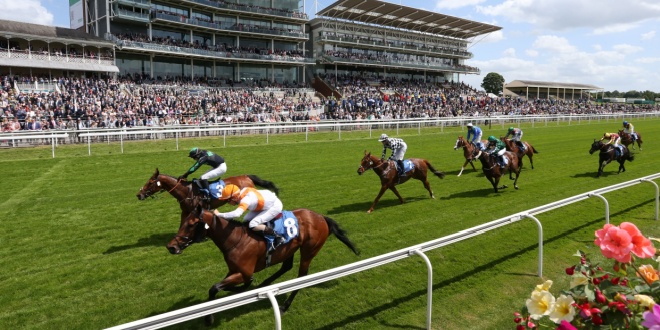
The British Horseracing Authority (BHA) has reiterated its firm stance on the widely debated proposed changes to the remote gambling tax, warning that plans of harmonisation could create a severe financial threat to the sport.
In submitting its response to HM Treasury’s consultation on the reform of remote gambling duties ahead of the 21 July deadline, the BHA has called for a dedicated lower tax rate on bets placed on horseracing, citing the sport’s historic and financial dependence on gambling revenues.
Under the proposed changes, all remote gambling products would be taxed at a single, standardised rate using the POC model. The aim is to simplify the tax framework for both HMRC and gambling operators by unifying duties under one system.
Brant Dunshea, Acting Chief Executive of the BHA, commented: “British racing’s stakeholders are united in their opposition to the Treasury’s proposals to harmonise remote gambling duties.
“Horseracing has a uniquely symbiotic relationship with betting and the Government must recognise this. It is why we are calling for betting on racing to be taxed at a different and lower rate to all other forms of betting.”
The authority further argued that racing is already subject to the Horserace Betting Levy and therefore warrants a separate consideration from other sectors such as online slots and casino games.
UK tax becoming a tricky issue
Currently, different types of remote gambling are taxed at different rates. Remote Gaming Duty, which covers online slots, casino games, poker and bingo, is set at 21% of gross profits and is charged on a ‘place of consumption’ (POC) basis.
Meanwhile, General Betting Duty is applied in a tiered structure: 15% on fixed-odds bets, 10% on sports spread bets, and 3% on financial spread bets. Finally, Pool Betting Duty stands at 15% of gross profits, but this applies only to sports pools – horse and greyhound racing pools are exempt.
The BHA has warned that taxing racing like other forms of online gambling could put the sport’s future at risk.
Industry analysis suggests the move could cost British racing at least £66m a year, and potentially as much as £160m. The BHA says this would threaten thousands of jobs, rural communities, as well as undermine ‘vital funding’ for horse welfare.
“If the Chancellor delivers this tax bombshell at the Autumn Budget, not only will jobs be lost but the future of Britain’s second-largest spectator sport will be in jeopardy,” Dunshea added.
The submission has the backing of all major British racing stakeholders, such as the Jockey Club, Arena Racing Company, the Racecourse Association, the Racehorse Owners Association and the National Trainers Federation.
Alongside the formal submission, the BHA is preparing to launch a public-facing campaign, Axe The Racing Tax. This will hope to urge fans of the sport to write to their MPs and oppose the new proposals.
The initiative follows a recent call-to-action from the BHA encouraging all participants in the sport to contact their local representatives.
“This is why it is vital that the Government carefully considers the argument made by all British racing’s stakeholders and works alongside us to protect a cherished national institution,” Dunshea concluded.
The new tax proposal continues to cause major disruption through the betting sector. This week, Labour MP Alex Ballinger shared his thoughts that the current system falls short in holding the industry accountable for the harm it causes.
Speaking to PoliticsHome, the MP criticised the recently introduced statutory levy – expected to generate £100m annually for NHS-led addiction services – as insufficient.
“That’s a positive move, but it’s just a drop in the ocean,” he said, adding that broader reforms to gambling taxation may be necessary to cover shortfalls in industry contributions, whether voluntary or mandatory.