The British Horseracing Authority (BHA) has revamped its leadership amid an intense period of campaigning around betting regulations and taxation.
As the regulator of horse racing in the UK, the BHA has found itself embroiled in the extensive debate around Financial Risk Assessments (FRAs) and betting tax over the past year.
Joining its leadership amidst this campaigning and lobbying are Simon Cox, who takes on the role of Chair, and David Williams, who has become Chair of its Horseracing Bettors Forum (HBF).
Cox will take the helm from Interim Chair David Jones on 1 October 2026.
Jones has praised his successor’s status as a “very well-established and deeply respected figure within our industry, known among participants and racecourses as an advocate for British racing and bloodstock”.
“He is also someone who possesses a steely determination and decisiveness and is, at heart, unwaveringly passionate about seeing British racing succeed,” Jones continued.
“Simon has been a valuable asset to our industry for many years as a fan, owner, breeder, investor and active participant, and has the necessary skillset and demeanour to be an accomplished and successful BHA Chair.”
Cox is a long-term stakeholder in British racing. He has owned racehorses for 15 years and is an active thoroughbreeder, and has been a member of the Thoroughbred Breeders’ Association (TBA) Board of Trustees since November 2021.
He is also Chair of the BHA’s Jump Pattern Committee, which advises the BHA board on the jump pattern and listed programme, and a member of the breeding, ownership and training initiative, the High Quality Horse group.
Lastly, he is a former member of the board of the Professional Jockeys Association (PLA).
Horse racing and playing politics
The BHA is particularly keen to add political experience to its leadership. It has taken note of Cox’s background in the brewing industry in this regard, with its new Chair being a master brewer by trade and active in that industry’s political engagement.
Cox’s three-decade career in brewing included board roles at the Portman Group, the UK regulator for alcohol labelling, packaging and promotion of the British Beer and Pub Association (BBPA), the trade body for UK brewers and pubs; and the Brewers of Europe, a continental trade association for beer brewing.
His career also included a 19-year stint with Coors and Molson Coors, including a four-year tenure as President and Chief Executive Officer of Molson Coors Europe and a two-year tenure in the same role at its EMEA and APAC division.
During this time he was involved in government engagement and lobbying, including the industry’s campaign to abolish the beer duty escalator in 2013. The duty was ultimately scrapped by George Osbourne, then-Chancellor of the Exchequer in the Conservative government.
In 2026, the BHA has found itself in a similar predicament, to an extent.
The gambling industry, which racing relies on as its key source of income via the 10% betting levy, sponsorships and media rights payments – is under tax pressure, with Remote Gaming Duty (RGD) having gone up from 21% to 40% in April under former Chancellor Rachel Reeves’ November 2025 budget.
Racing has been excluded from this, and from the increase in General Betting Duty from 15% to 25% next year. This exclusion was secured after an extensive lobbying campaign by the BHA last year, the #AxeTheRacingTax campaign, which included strike action in September 2025.
However, the sport is still feeling a knock on effect as operators look to reduce marketing budgets, with some cutting their presence in racing. The BHA may hope that the addition of a proven political negotiator to its leadership will help with its lobbying mission around tax, as well as against the planned implementation of hated FRAs.
“British racing and breeding is a worldwide success story,” said Cox. “We are an industry that is globally renowned for our equine welfare standards, the fairness and integrity of our competition and the quality of our participants, our horses and our racing.
“It’s no secret that we face significant challenges and my focus will be on ensuring racing works together to address these, with a particular emphasis on growing participation in the sport, our customer base and critically our income streams.
“There is really good work already underway in so many areas, but there is also much to do to set our industry up to thrive for generations to come.”
Political engagement is all the more important given the latest change in administration in the UK, with Andy Burnham taking the helm as Prime Minister and appointing his cabinet – though the Culture Secretary role most important to horse racing remains held by Lisa Nandy MP.
Punter engagement
The BHA does not just have to deal with the government, however. It also has the task of working with and taking on board the options of its customers – bettors and racing spectators.
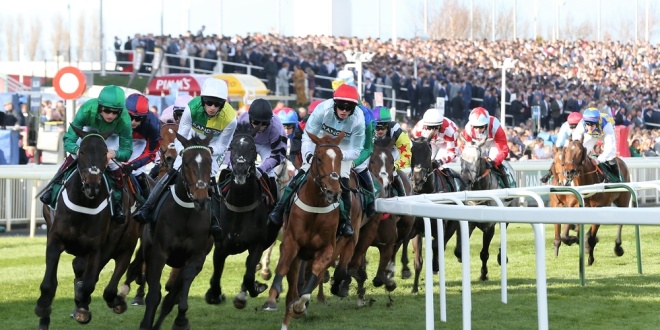
After years of struggling attendees in the wake of the COVID pandemic, British horse racing began to see improving fortunes last year with spectator numbers improving, not just at flagship events like the Grand National, Cheltenham Festival and Royal Ascot.
The BHA needs to keep the momentum going. Appointing new leadership at the HBF – a body representing racing bettors and identifying their immediate concerns – will be key to this.
David Wiliams takes on the role from Sean Trivvass with immediate effect, following the conclusion of the latter’s four-year tenure.
The change in leadership follows the publication of the results of the HBF’s latest survey, while the window is now open for responses to its 2026 survey.
The HBF’s role will also continue to have a lot of significance for the BHA’s political and lobbying efforts, with the organisation having encouraged bettors to sign its open letter to Culture Secretary Nandy opposing FRAs, for example.
Williams remarked: “With our recent annual survey results, the HBF has a clear mandate to represent the betting public on the issues that concern them most, drive change and hold authorities and bookmakers to account while further lifting the profile of our Forum as the independent representatives of bettors.
“As a recreational punter myself, my chairmanship will be about using my professional experience, leveraging the best from our knowledgeable and committed committee members and restoring common sense and fairness for the millions of recreational backers who enjoy their hobby and are so vital for this sport.”