FDJ United has informed French media that legal proceedings are being taken against Meta for failing to limit gambling advertising targeting French audiences on its social media platforms.
Yesterday the French media outlets of Le Figaro and Les Echoes reported that FDJ, the operating company of France’s national lottery has “taken Meta to court over misleading ads that promote illegal online casinos using copies of its brands and logos”.
Group Chief Executive Officer, Stéphane Pallez, told French outlets that the Paris Euronext gambling group demanded that Meta must end infringing and copy-cat adverts using the brands of FDJ United.
Pallez said: “FDJ United has initiated legal proceedings against Meta, through an application for interim relief, to secure the removal of advertisements promoting illegal activities by identically reproducing the group’s brands and distinctive signs to promote online casinos, which are strictly prohibited in France.
“Several unlawful posts went so far as to reproduce FDJ partner retail outlets, as well as the front pages of well-known newspapers, to reinforce their misleading nature.”
The liabilities concern the promotion of online casinos prohibited under French law. Articles 56 and 57 of the Gambling Act 2010 establish online casinos as an illegal offer as well as the advertising of its services.
Action is ongoing as the ANJ, France’s national gambling regulator, has increased orders on French ISPs to block illegal online casino websites and require search engines to remove them from results, using administrative powers gained in 2022.
FDJ leads coalition to clean advertising
FDJ estimates that more than 80 million Europeans are exposed to illegal gambling offers each year, warning that social media and digital platforms give unauthorised operators substantial visibility.
The group argues that these offers expose consumers to risks extending beyond gambling losses. Players may be denied their winnings, lack safeguards against excessive gambling, or become victims of hacking, fraud and personal data leaks.
The use of familiar brands and misleading promotions compounds the problem by making illegal websites appear legitimate. Consumers may believe they are dealing with a recognised operator and assume that the protections associated with France’s regulated market apply.
FDJ is calling for a national coalition bringing together licensed gambling operators, digital platforms, financial businesses, associations and sporting organisations. The group wants a coordinated response to curb illegal operators’ reach and improve public awareness of the risks.
Emmanuel Macron’s En Marche government had considered opening consultations to review online casino laws via the PACTE loi, a mandate to modernise France’s technology, data and media laws.
Meta’s Euro woes
FDJ’s legal action comes alongside a national campaign launched in conjunction with European Responsible Gambling Week. It says that more than 80 million Europeans are exposed to illegal gambling offers every year and warns of unpaid winnings, fraud and personal data theft.
It has called for a national coalition of gambling operators, digital platforms, financial businesses, associations and sporting organisations to tackle the illegal market.
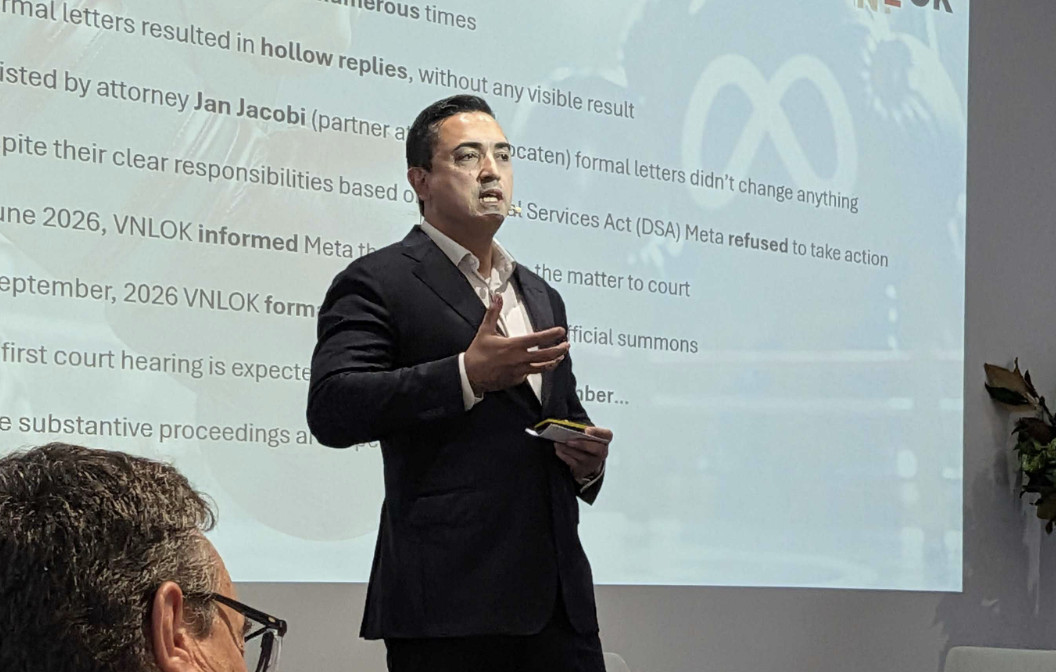
The French move comes on top of pressure from the Netherlands where trade association VNLOK is suing Meta over alleged failure to stop illegal gambling ads reaching Dutch consumers.
VNLOK took Meta to court in Amsterdam in September after already making a complaint with the European Commission in June. The association says repeated reports of illegal advertising haven’t resulted in an adequate response. sbcnews.co.uk
Chairman Björn Fuchs told SBC News that the court case is still based on Dutch law but VNLOK are still in contact with European counterparts and government bodies.
His comments do point towards a wider European challenge but don’t say that the Dutch proceedings will formally transfer to the Commission. VNLOK said in October an initial hearing would be held late December followed by substantive proceedings in the first quarter of 2027.
These disputes come at a time when European governments are scrutinizing how digital businesses influence consumers and account for harmful commercial practices.
Digital fairness on the menu
On 11 November the European Commission put forward its Digital Fairness Act proposals targeting manipulative marketing, false scarcity claims, unclear influencer advertising and unfair personalised advertising directed at minors.
The bloc-wide mandate will look at design features that encourage excessive or compulsive spending but remain subject to EU legislative processes.
The proposal gives political impetus to calls for greater accountability but liability for illegal gambling adverts will depend on the laws in force and what courts and regulators find.
With FDJ taking brand impersonation to France and VNLOK pushing its case in the Netherlands, 2027 is shaping up as a year of reckoning for Big Tech’s role in gambling content — what platforms need to do when illegal promotions keep coming back?; what happens when controls fail?