The legacy of the Malta Gaming Authority (MGA) was not built by chance. The authority has more than 20 years of experience regulating the iGaming industry, with player protection as one of the pillars of its work.
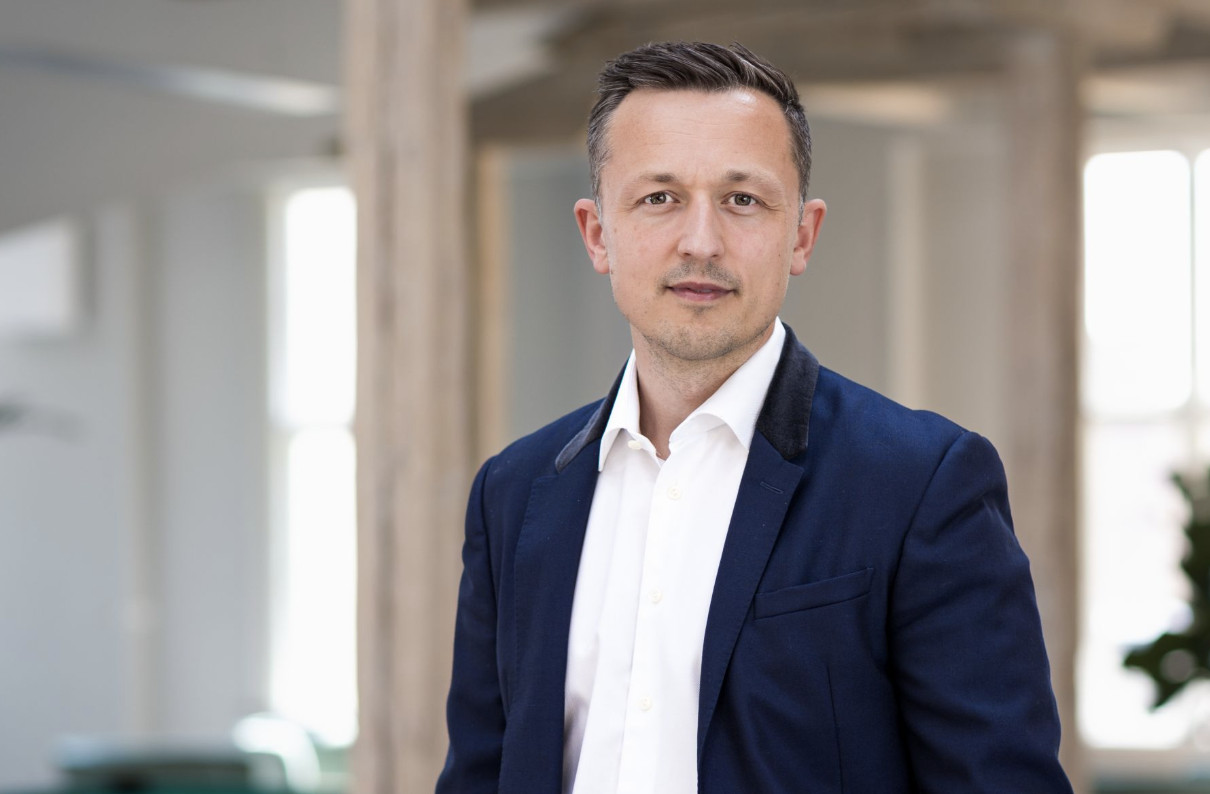
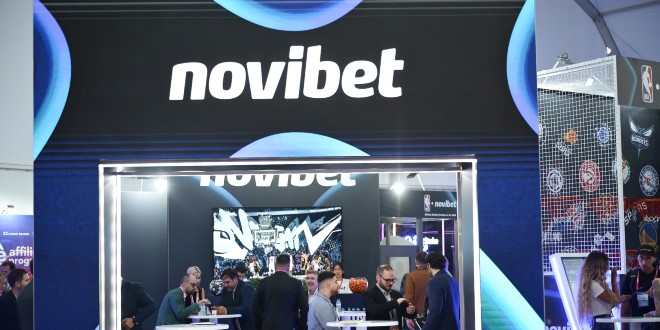
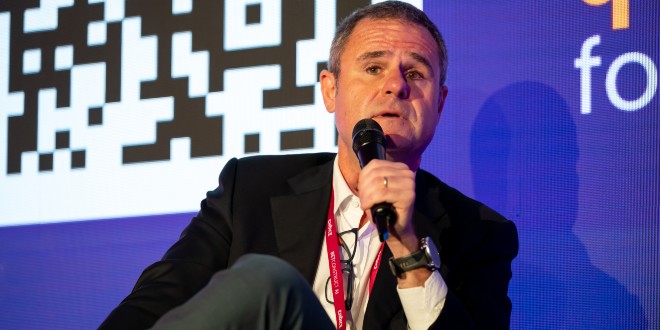
In an interview with SBC Notícias Brasil during SBC Summit 2026, Charles Mizzi, CEO of the regulatory authority, shared his perspective on the industry’s challenges and emerging risks, the importance of international cooperation, and the need to balance regulatory oversight with consumer protection.
According to Mizzi, players must remain at the centre of decision-making, as they may be the ones most affected when excessive requirements push companies towards the unregulated market.
The MGA currently holds more than 300 licences. Reflecting on the authority’s journey, Mizzi highlighted that understanding the industry’s specific characteristics and maintaining close dialogue with different stakeholders have been important factors in establishing Malta’s position as a regulator of the sports betting and online gaming market.
Key challenges facing the iGaming industry
For Mizzi, from a regulatory perspective, the challenges associated with iGaming are linked to the industry’s dynamic nature, characterised by constant changes, new regulations and technological developments.
This reality also affects operators. According to the CEO, companies must keep up with the different regulations in the countries where they operate, which places additional demands on their teams and generates extra costs.
“I think the main challenge they have is actually to keep up with the different regulations that are coming into force very regularly,” said Mizzi.
He added: “Nowadays, almost all countries have their own regulatory framework and that poses a challenge in itself, a challenge for the teams, more work for them and also additional costs.”
In response to these challenges, the MGA seeks to help operators navigate regulatory requirements through ongoing dialogue with companies and other stakeholders, without lowering its supervisory standards. The authority aims to make processes more efficient and avoid unnecessary data requests while maintaining requirements related to anti-money laundering (AML), regulatory compliance and player protection.
“Unfortunately, there is no harmonisation, not at an EU level, not at a global level, and this is difficult for operators to keep up with it,” explained the executive, highlighting the lack of alignment between regulatory frameworks across different jurisdictions.
Another challenge identified by Mizzi is keeping pace with technological developments, particularly artificial intelligence (AI). In this context, the MGA seeks to maintain a technology-neutral approach. According to him, this principle has been embedded in the authority’s regulatory framework since 2018, when it introduced a framework designed to keep up with changes in the industry.
“I think it’s one of the best things that the MGA has done over the last years,” said Mizzi, reflecting on the early adoption of this model.
He explained that this approach allows the authority to keep pace with innovation and address the needs of an industry in constant evolution, although it does not eliminate the need for ongoing regulatory updates and improvements.
The role of technology in supervision, compliance and player protection
Mizzi said that technology plays an important role in strengthening supervision, regulatory compliance and player protection. While acknowledging that available tools, particularly AI-powered solutions, can help improve the work of regulators and operators, the CEO stressed the need for caution in their use.
In this context, the MGA recently launched the AI Gaming Charter, a voluntary framework that provides guidance to operators on the use of AI. According to Mizzi, the initiative aims to encourage the responsible adoption of technology, ensuring that aspects such as transparency and accountability are taken into account.
The executive also noted that technological tools should not replace human oversight: “We need to be careful about how to use that data, and I think it’s up to us, up to humans, so to speak, to make sure that the data is used correctly, the data is accurate, because at the end of the day, it’s a tool that can make mistakes.”
International cooperation and regulatory standardisation
Mizzi explained that international cooperation between regulatory authorities can take different forms and is key to supervising a safe and sustainable global industry. Standardising best practices in areas such as AML and responsible gambling can lower regulatory costs and complexity for gaming operators.
In the executive’s view, achieving full harmonisation across all countries would be difficult, as each jurisdiction has its own perspective on the gaming industry. However, he believes that establishing common standards in certain regions, such as the European Union, is feasible and could make processes clearer and more efficient.
“That could be an opportunity to have a more standardised approach, because there would be clear guidelines for every Member State to adopt, which could help streamline the process as much as possible. The MGA has always been open to dialogue and discussions with different regulators, be they EU regulators, regulators from the U.S., North Africa or other parts of the world,” said Mizzi.
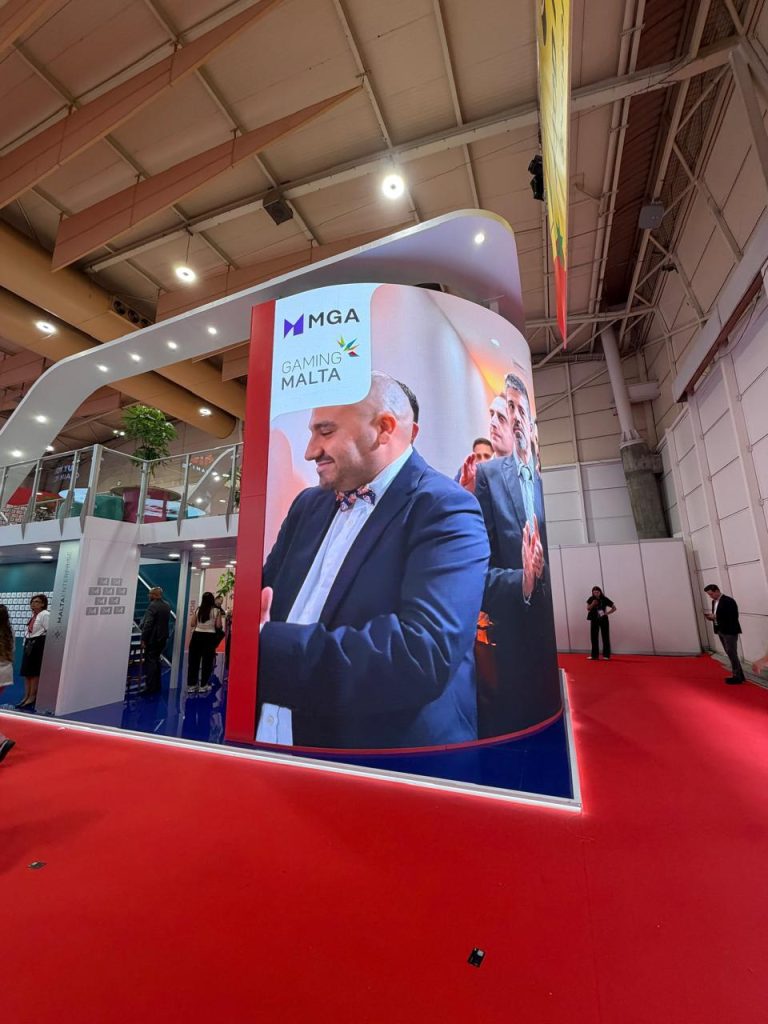
The CEO added that the authority is open to cooperation initiatives and believes regulators can learn from one another by exchanging experiences. Since the challenges facing the industry are similar in many respects across jurisdictions, dialogue and joint efforts can contribute to the development of common international standards.
To illustrate the importance of international cooperation in the MGA’s work, Mizzi cited the sharing of intelligence between different jurisdictions during due diligence processes. According to him, all applications received by the authority, including applications for operating licences and approval to perform key functions, undergo preliminary assessments.
Although the MGA uses its own tools to conduct these checks, exchanging information with other regulatory authorities can help clarify questions and supplement data that the authority would not otherwise have access to.
“Through sharing of information with other jurisdictions, we can possibly clarify certain questions that we may have, which would lead us to make a better decision, be it to approve or reject an application,” explained the CEO.
Balancing regulation and player protection
For Mizzi, the different perspectives jurisdictions have on the industry represent one of the main obstacles to international cooperation. In Malta, iGaming is considered one of the pillars of the economy, supporting thousands of jobs and an ecosystem that attracts major industry companies. However, the executive acknowledged that this view may not be shared by all jurisdictions, some of which may adopt more restrictive approaches towards the sector.
Mizzi highlighted that iGaming’s economic importance does not mean that regulatory requirements are relaxed. According to him, the MGA maintains supervisory and enforcement measures when necessary, while seeking to work alongside operators and other stakeholders.
The CEO also highlighted that players must remain at the centre of the authority’s decisions and policies: “At the end of the day, there is the player, which has to be at the centre of our thoughts and our policies. We need to make sure that the player is safeguarded and protected. We need to give a lot of importance to the aspect of responsible gaming.”
In this context, Mizzi warned that excessive regulatory requirements can push companies towards the unregulated market. According to him, when this happens, everyone loses: jurisdictions miss out on tax revenue, while consumers are left without oversight and protection mechanisms.
“The biggest loss, I think, is on the player’s part, because there is no one to regulate, no one to protect him. If he has issues with responsible gaming, there is no one to safeguard his interests. So what you are doing, actually, is penalising the player,” concluded the executive.
Article written by SBC Noticias Brasil’s Elisa Marcante
Want to learn more about European iGaming regulation from the experts themselves? Leading figure from operators, regulators and suppliers will be speaking at the SBC Summit Europe, taking place in Amsterdam from 19-21 May 2027.