 Brazil’s ministers and senators have been warned of a ‘clear gap’ in dedicated facilities needed to treat gambling addiction and the mental health disorders associated with gambling.
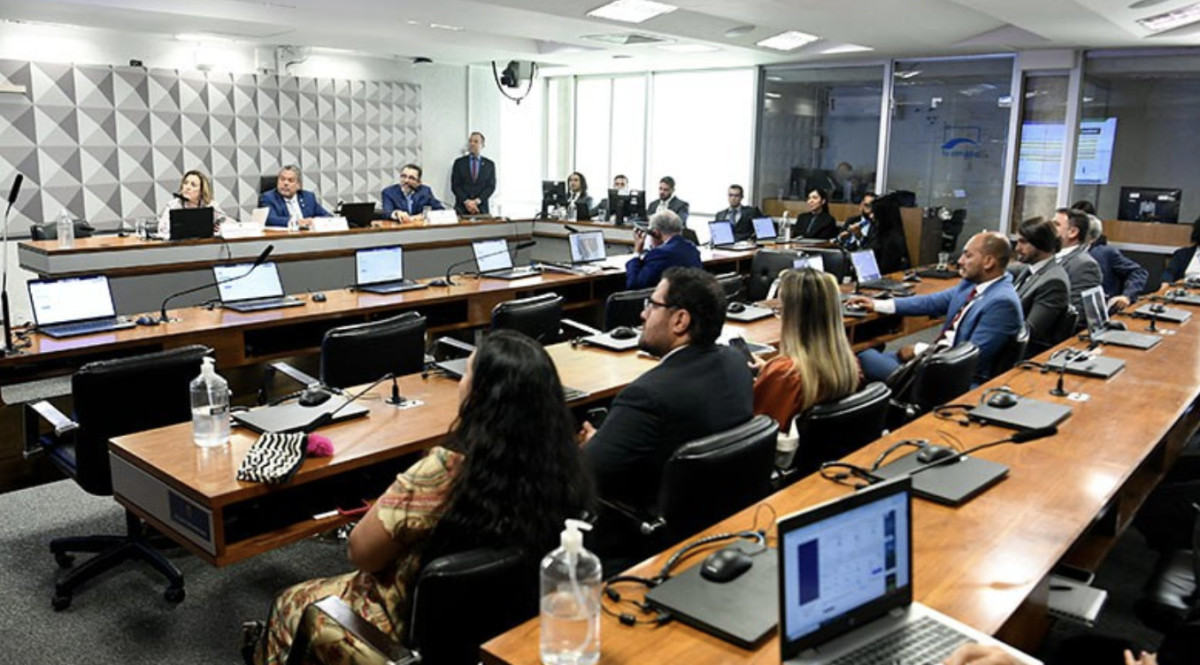
The warning came from Dr Antônio Geraldo da Silva, the leading psychiatrist of the Brazilian Association of Psychiatry (ABP), in his testimony to the Commission of Inquiry on Online Gambling (CPI of Bets).
Led by Senator Soraya Thronicke (Podemos-MS), the inquiry continues its evaluation of the economic threats and financial liabilities of Brazil’s nascent online gambling market – launched on 1 January under the framework of the Bets Regime.
Beginning his testimony, Dr Silva stated that he would provide his evidence as a “medical doctor specialising in psychiatry for 38 years,” in which he believes that there are 20 factors that “must be recognised in the treatment of gambling disorders”.
In the context of Brazil, socio complexities of treating gambling addiction and mental health disorders arise from the scarcity of specialised facilities that can provide effective care.
The Psychological Toll of Gambling
Dr Silva explained how problem gambling functions as a public health concern, with similarities to other more common substance abuses (alcohol, drugs). However, for those treating gambling addiction, triggers lead to an “uncontrollable desire to continue playing” detailed as a unique pathological element of abuse by the World Health Organisation (WHO).
Problem gambling triggers stem from neurological dependencies, which account for the the same dopamine reactions of those suffering from substance dependencies, such as in alcohol and nicotine use.
Many patients suffering from addiction need general psychiatric care rather than specialised facilities because dedicated treatment centers do not exist.
According to Dr Silva, the legalisation process increases dependency problems, however certain concerns can be countered by public health campaigns. The Doctor reflected on general health policies related to tobacco, referencing how Brazil had to reduce nicotine dependence from 50% to 10% after implementing strict regulations.
View this post on Instagram
Changing Demographic Risks
Silva observes that the legalisation of online gambling will lead to a significant changes in demographics risk of problem gambling
Research now shows that female bettors comprise 47% of the total, while men still make up 53%. The gambling population includes 40% of people who fall into the 18 to 29 age bracket, indicating a concerning trend for the future.
The situation becomes more complex due to socio-economic factors. The majority of online gamblers (80%) belong to poorer socioeconomic classes C, D, and E, while only 20% belong to classes A and B. The data highlights how lower-income groups face higher risks from financial and psychological problems related to gambling.
Policies must recognise ‘financial devastations’
The commission received disturbing stories from gamblers who needed to recover their losses by selling their homes or taking excessive loans. Dr Silva stated that these actions correspond to the compulsive patterns commonly seen in other addiction cases since dopamine release leads to spontaneous choices and high-risk behavior.
He said: “I have had patients who lost R$500,000 in a poker game in one night, for example, and had to do what? Mortgage their apartment to pay for it. And in electronic games, we see this all the time, playing and handing over what they can and cannot.
“There are patients who no longer have access to, or the possibility of having a credit card, because they have already spent everything they could and could not”
Dr Silva recommended strict advertising regulations similar to tobacco control measures as a necessary regulatory step. He emphasised that addiction prevention demands restrictions on gambling advertisements, especially for youth audiences. Senator Izalci Lucas (PL-DF), a reformist of the current Bets market, shared the same opinion, stating that aggressive marketing tactics would worsen the problem, particularly among high-risk groups.
Government must recognise Treatment Gap
The insufficient development of comprehensive care infrastructure remains a major problem. Dr Silva advocated for the creation of Multifunctional Outpatient Care Units specifically designed for problem gamblers.
These facilities would integrate mental health care services with addiction treatment, financial guidance, with the need to be located in Brazil poorer communities . Implementing such a program would address both mental health challenges and monetary problems stemming from gambling addiction, according to him.
The Mental Health Department Director at the Ministry of Health, Sônia Barros, acknowledged the need for better support services and outlined plans to create 200 new CAPS facilities and 100 multifunctional treatment centers for gambling addiction. The increased focus indicates awareness about the growing extent of the issue and the insufficient capacity of current services.
Bets must be accountable for Gambling Disorders
However, a comment by Senator Lucas cited that the small amount of gambling tax revenue generated “fails to compensate for the substantial deterioration of mental health affecting the nation” – as reformists cite that Bets must account for treatment of gambling disorders.
The health sector is taking a cautious approach to the rising cases of gambling addiction. Online betting generates economic opportunities but also brings new public health risks that require better management.
Policymakers generally agree on implementing preventive measures, responsible advertising, and public awareness campaigns to address these regulatory challenges.
A fundamental shift in approach is emerging with the proposed establishment of multifunctional treatment centers that address addiction treatment along with community-based socio-economic support for families. The political commitment requires a thorough assessment to determine whether existing measures adequately address the problem.