The application of a ‘common tax’ on online gambling does not feature in the latest draft proposal of the European Union (EU) Budget 2028-to-2034.
Member states have moved to finalise terms of a €2trn (£1.6bn) economic funding cycle. A 1% levy on pan-EU gross gambling revenue (GGR) was proposed as part of this funding cycle in early 2026.
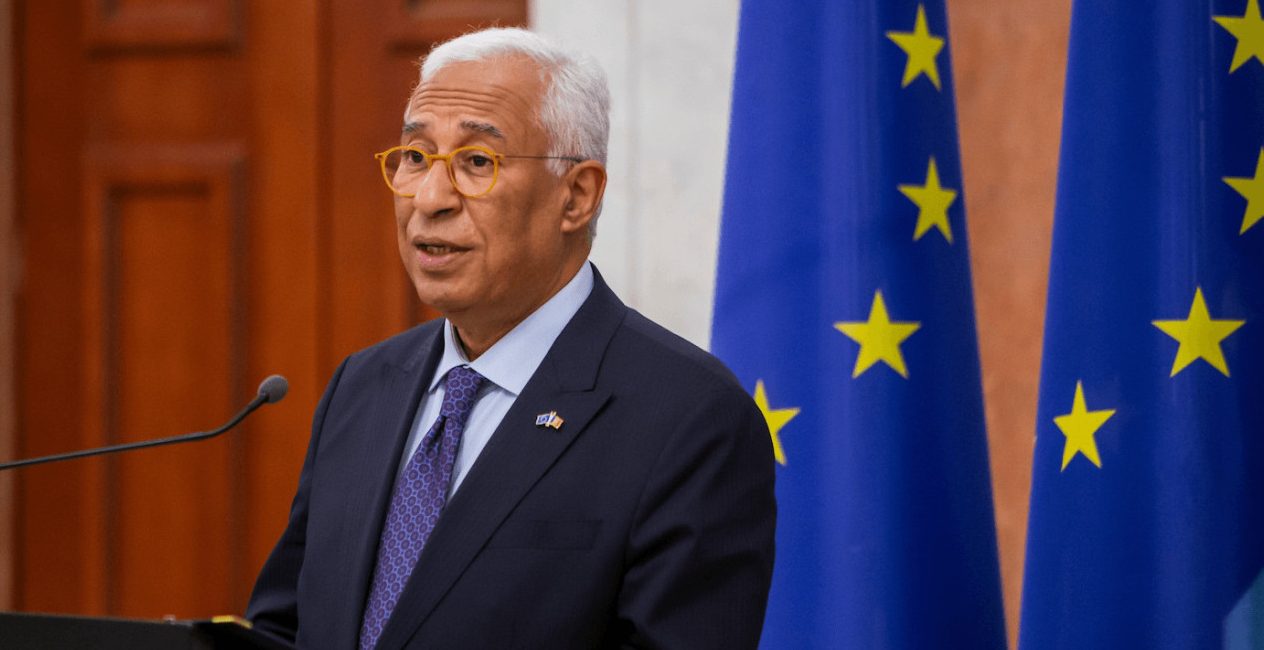
The latest budget draft contains the revisions and guidance of the European Council (EC), signed by EC President Antonio Costa.
Building on negotiations under Ireland’s current presidency of the Council, President Costa submitted a revised proposal for the Multiannual Financial Framework (MFF) on 21 November.
The President’s plan will lead Member States final negotiations that are currently taking place (26-27 November). The EC maintains confidence that the Budget will be agreed on in December to settle terms on the funding of the economic bloc’s most consequential period in its existence.
The latest guidance stands by interim advice given by European MEPS in April.
The endorsement of a common levy on online gambling “should be explored if other revenue measures failed to win member-state support.”
The recommendation is carried by the EC update, yet its proposal favours the application of a 3% levy digital services of online advertising, marketplaces and use of user generated content.
The EC endorses the application of ‘common revenue measures’, agreed by member states on tobacco excise, a carbon use charge, emissions trading and non-recycled electronic waste.
Combined with existing revenue streams, the measures could bring in around €60bn a year. As such the EC’s guidance contains no fiscal requirements on gambling.
Budget cut to €1.8trn
The EC budget plan proposes €1.8tn in spending commitments over seven years, around €200bn below the EU original target of €2tn. Matched on 2025 euro prices, the proposal comes to €1.6 tn, up from €1.27tn under the current seven-year budget.
EU competition projects will take the biggest hit under the EC’s plan, with funding cut by €95bn to €494bn.
Spending on security, defence and aerospace will decline from €131bn to €92bn, while the EU’s Horizon Europe research programme would receive €158bn, down from €175bn.
Regional development, farming and related programmes would account for just over €1tn, including €158bn to repay the EU’s pandemic recovery debt. Agricultural support would stay at around €294bn.
Funding for the EU’s Global Europe programme would fall from €215bn to €170bn, with a separate €100bn for Ukraine above the main budget ceilings.
EC wants tax on digital services
To help fund the budget, Costa proposes five new EU revenue streams, known as own resources.
They would draw on certain digital services, the EU’s carbon border adjustment mechanism, non-recycled electronic waste, tobacco products and emissions trading. Costa estimates that these measures, combined with existing revenue streams, could generate about €60bn a year.
The digital services levy would apply a 3% rate to qualifying net turnover from online advertising, digital intermediation and user-generated data.
It would target companies with at least €50m in annual EU digital turnover and more than €750m in global turnover. Costa also called for further deliberation on funding revenue linked to crypto-assets and transactions.
A digital services tax carries support across the bloc, as member states look to tighten oversight of major tech platforms from 2027 onwards.