From an outside perspective, the national lottery is not much more than a product – you see it advertised, you go purchase it, you play, and that’s where your engagement with it comes to an end.
For someone who’s running the national lottery, however, that product becomes a mission – a mission to protect the product’s integrity, protect the player, and continue a legacy of public trust entrenched in the annals of history.
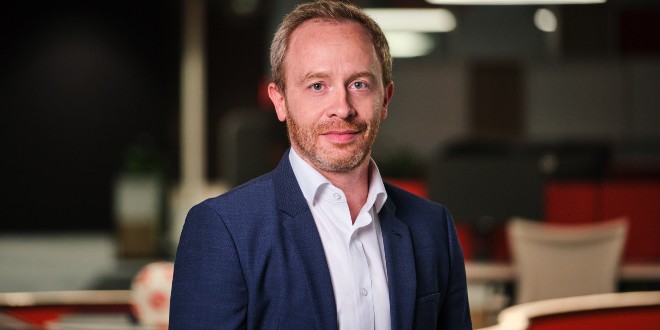
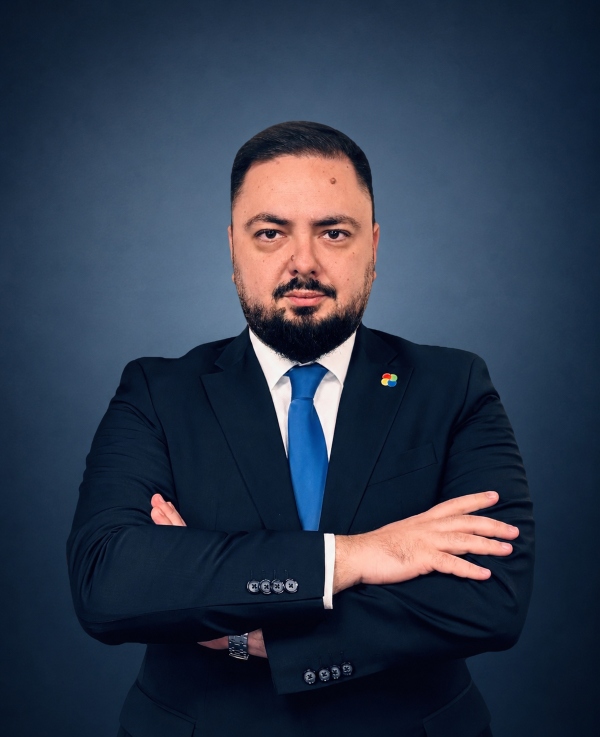
Ionut-Valeriu Andrei, Chief Executive Officer of Loteria Română, has been on both sides. Ahead of his appearance at SBC Summit Lisbon, SBC News sat down with him to peek under the bonnet of an experience that transcends generations, first created all the way back in 1906.
SBC News: How has your perspective on the lottery changed since you went from an observer to leading the organisation?
The biggest change has been my appreciation of everything that happens behind the scenes. As a player, you naturally focus on the excitement of the draw, the anticipation and the possibility of winning.
As CEO, you see the much bigger picture. Now, I understand the enormous responsibility involved in maintaining public trust. Every draw, every game and every operational process must meet the highest standards of integrity, security and transparency. Those are the foundations on which a national lottery is built.
Leading Loteria Română has also reinforced my appreciation of the people in the organisation. From our retail network and operational teams to our technology specialists, more than 2000 professionals work every day to ensure that millions of players can enjoy our games with confidence.
Perhaps the greatest shift in perspective is recognising that our mission extends beyond offering games of chance. We are the safeguards of a public institution with a remarkable history, and our role is to ensure it continues to evolve through innovation, digital transformation and responsible gaming, while preserving the trust that generations of Romanians have placed in Loteria Română.
Lotteries are generally regarded as a strong pillar for the development of society. How important is that role in Romania, and where do you think Loteria Română’s contribution is most visible?
National lotteries have always had a purpose that goes beyond offering the chance to win. Their success is measured not only by the prizes they award, but also by the value they create for society.
In Romania, this public mission is especially important. Loteria Română makes a significant contribution to the state budget through taxes and dividends, supporting public expenditure across many sectors, creating benefits that extend well beyond the lottery itself.
Our contribution is also visible through our support for culture and sport. Under Romanian legislation, a percentage of our revenues is allocated to the National Cultural Fund, helping finance cultural projects throughout the country. We also support Romanian sport through partnerships with national sports federations, because we believe sport promotes values such as performance, perseverance and fair play.
At the same time, Loteria Română is the leading operator in terms of sustainability and player protection. Through the implementation of responsible gaming policies and internationally recognised standards, we aim to set the benchmark for the industry and lead by example in promoting a safe and sustainable gambling environment.
I believe these examples illustrate the broader role of a national lottery. We are not only providing entertainment; we are creating value that extends well beyond our games. This is why public trust is so important. Every lottery ticket purchased represents not only the chance to win a prize, but also a contribution to a wider public mission that ultimately benefits Romanian society.
Loteria Română generates around RON 1.3bn (£222m) of annual revenue.
By law, 2% of that goes to Romania’s National Cultural Fund Administration (AFCN), amounting to around RON 30m per year in continuous contributions towards art, culture and heritage projects.
Gross profits remain stable between RON 210m and 240m per year. As a state-owned company, the large chunk of net profits are funnelled straight back into the government. In 2024, this sum was RON 204m (£34.9m).

Nowadays, we spend a substantial part of our lives online. How does this translate into the behaviour of lottery players? Do you see online verticals replacing traditional retail, or do both verticals continue to serve different types of players?
The way people engage with entertainment has changed significantly over the past decade, and lotteries are no exception. Today’s players expect greater convenience, seamless digital experiences, and the flexibility to choose how and where they play.
That said, I do not believe online channels will replace traditional retail. The future is not about choosing one channel over another – it is about giving players the freedom to move seamlessly between both.
Retail remains an important part of the lottery experience, particularly for players who value personal interaction, the routine of visiting a local retailer or the excitement of purchasing a ticket in person. At the same time, digital channels are attracting new audiences who expect accessibility, speed and mobile-first services.
Rather than competing for the same players, retail and digital channels are evolving into complementary parts of a broader player experience. At different moments, players value different things.
Sometimes convenience and instant access matter most; at other times, the social interaction, familiarity and ritual of purchasing a ticket in-store remain an important part of the experience. The challenge for modern lotteries is therefore not to replace one channel with another, but to remain relevant and accessible across the full spectrum of player preferences and lifestyles.
You were an Executive Committee member of European Lotteries. What are the biggest challenges facing lotteries across Europe today, and which ones do you think require the most urgent attention?
It was a privilege to serve on the Executive Committee of the European Lotteries from April 2024 to September 2025, a period during which I gained first-hand insight into the rapid pace of change within the industry and the significant challenges it creates.
One of the biggest challenges facing European lotteries today is remaining relevant in an increasingly competitive and rapidly evolving market. Player expectations are changing, particularly among younger generations, who expect innovative products while maintaining the same high standards of security and trust.
Another major challenge is ensuring that regulated operators remain competitive in an increasingly complex market, particularly as unlicensed and unregulated offerings continue to emerge. Maintaining a well-balanced regulatory framework is essential to protecting consumers and preserving the integrity of our sector.
Cybersecurity and technological resilience have also become strategic priorities. As lotteries continue to expand their digital services, protecting systems, safeguarding player data, and ensuring operational continuity are more important than ever.
Finally, I believe responsible gaming must remain at the center of everything we do. Innovation and digital growth should always go hand in hand with measures that protect players and reinforce public confidence. This is not only a regulatory obligation – it is fundamental to the long-term sustainability and credibility of our industry.
And finally, what’s the one thing you’re looking forward to the most ahead of your participation in SBC Summit Lisbon this September – besides the inevitable sightseeing and making sure the sunscreen is never too far away?
Lisbon, with its long history as a meeting point of cultures, ideas and international trade, provides an appropriate setting for conversations about the future of our industry and the role that lotteries and gaming operators will play in an increasingly digital and interconnected world.
I am particularly interested in topics like digital transformation, artificial intelligence, responsible gaming, and the future role of national lotteries in an increasingly competitive entertainment landscape.
For Loteria Română, maintaining an active presence in these international discussions is essential. It allows us to strengthen relationships with industry stakeholders, better understand emerging trends and ensure that our organization continues to evolve while remaining true to its public mission and the trust our players place in us.
You can click here to read the full interview.
—————————————
SBC Summit is one of the world’s largest gatherings of betting and gaming professionals. Taking place in Lisbon, Portugal, from 29 September-1 October, the event will bring together 40,000 attendees from across the international industry.
The event encompasses three days of learning, networking, and discussion, alongside a major exhibition featuring leading brands from around the globe.
For more information and tickets, visit sbcevents.com/sbc-summit