Sweden’s channelisation rate in 2025 dropped to 84% as the country, like many others across Europe, continues to battle the threat of the black market.
The 84% figure, representing a 1% year-on-year drop, serves as the proposed indicator for the national budget bill and is an average derived from two main measurement methods – player surveys, which estimated an 89% channelisation rate, and internet traffic turnover estimates, which estimated 78%.
Spelinspektionen, the Swedish Gambling Authority, highlighted that players who are self-excluded or suspended from licensed sites are the main perpetrators of using unlicensed platforms.
Other reasons given for punters using the black market were players believing that they have a higher chance of winning or those looking for games unavailable in the Swedish market.
A few black market bettors in Sweden (6%) interestingly used the reasoning of unlicensed operators offering skin betting.
Skin betting uses virtual cosmetic items from computer games as a currency for casino games, lotteries, or betting.
In 2025, it accounted for 35% of all visits to unlicensed websites, though the Spelinspektionen notably excludes these platforms from its official channelisation indicators because they often include non-gambling services like bartering and news.
Unsurprisingly, the degree of channelisation in Sweden is generally higher for sports betting than online casinos.
The measurement method of player surveys estimated a channelisation rate of 89% for sports betting, compared to 81% for online casinos.
This gap was blown out of the water through the internet traffic estimation method, which suggested a channelisation rate of 95% for sports betting, compared to just 68% for online casinos.
Sports betting positives in Sweden amid World Cup 2026
A high channelisation rate for sports betting will be welcome news for Swedish operators as attention across the globe turns to the 2026 World Cup.
If operators are able to gain new customers through sports betting, it will bode well for them being able to keep these customers on and engage with their casino products.
However, it would be foolish to suggest that unlicensed operators won’t also step up their marketing techniques for the World Cup, as seen by Polymarket targeting UK influencers for unnamed advertising campaigns involving World Cup-related content.
Hype for the World Cup was relatively low in Sweden, with a YouGov poll revealing that just 35% of the nation was looking forward to the tournament at the beginning of the month.
This may have changed, though, after the national team’s 5-1 demolition job of Tunisia in their opening match on Monday morning.
With the black market in Sweden estimated to be generating SEK 3.6bn-7.3bn (£290m-£580m), and gross turnover of SEK 60bn-120bn, the jurisdiction has been embroiled in a long-standing battle against illegal operators ever since the multi-licence market was established back in 2019.
This has only been thrust into the spotlight more and more recently, with the Spelinspektionen implementing stricter regulations on licensed operators, such as a new licensing regime which came into effect in March.
The Swedish Trade Association for Online Gambling (BOS) has criticised the country’s channelisation rate on the back of the news, saying it is “too low” and that “these figures should be a cause for concern”.
Daniel Valiollahi, Deputy Secretary General at the BOS, said: “I am surprised that the government has still not presented legislative proposals concerning the scope of the Gambling Act and how the promotion ban against unlicensed operators can be strengthened.
“Several measures that would make it more difficult for unlicensed gambling companies to target Swedish consumers have already been thoroughly examined by the government. The question is: what are they waiting for?”
Under Sweden’s new reforms, operators holding both a commercial online casino licence and a betting licence are now required to pay separate annual fees of SEK 240,000 for each licence held.
There have also been debates regarding both tax and advertising laws, with Swedish operators continually bearing the burden of headwinds.
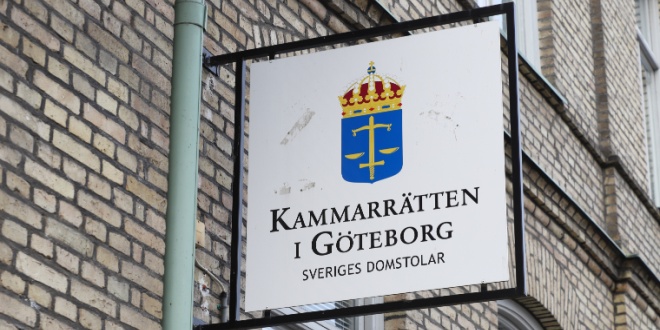
A fresh example of this clampdown is today’s news that the Swedish court has upheld a fine of SEK 12m imposed on the gambling operator Videoslots for breaching duty of care responsibilities.
An SEK 8m penalty issued to LeoVegas in March 2025 has been swept aside by the Administrative Court, however, which sided with the operator after an appeal.
These headwinds, as well as the black market itself, are not unique to Sweden. It seems countries all over the world, but particularly in Europe, are suffering from the same troubles.
With channelisation rates falling, and marketing from unlicensed platforms only becoming more coy and prevalent, it will be a tough task for Swedish authorities to near enough eliminate the black market.