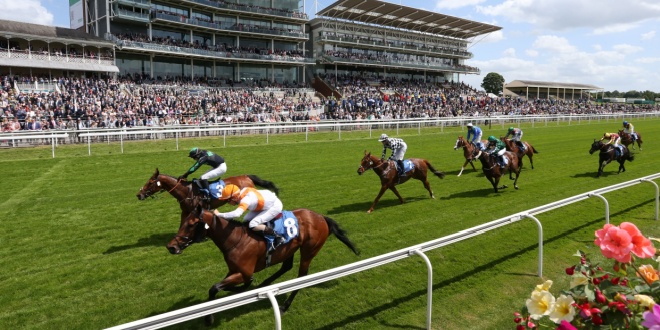
Conservative Party leader Kemi Badenoch has weighed on an increasingly heated debate about how the UK betting sector should be taxed, according to a report from the Racing Post.
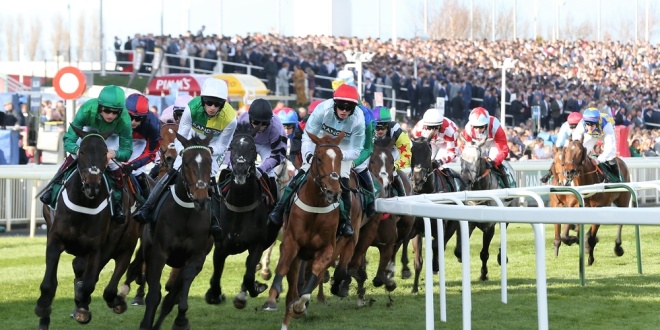
She has issued a stark warning that proposed system changes could have a devastating impact on British horse racing – a sport already under significant financial pressure and highly dependent on the betting industry for support.
Urging the Treasury to “do more thinking”, Badenoch said at a racing policy conference at Tattersalls last week: “The most important thing is to ensure that horseracing stays here, it continues to thrive here, that we are the international beacon. We need to be the magnet for investment for growth.
“That’s what’s going to be most helpful and that’s where the Treasury should start from.”
At the centre of the row is a Treasury consultation suggesting the consolidation of existing gambling duties into a single Remote Betting and Gaming Duty.
This move, while presented as a simplification of the current tax framework, could see the effective tax rate on horse racing bets rise from 15% to as much as 21% – the current rate applied to online casino gaming.
Racing stakeholders have pointed out that treating sports betting as though it is in the same tax category as casino-style gambling overlooks the cultural and economic differences between the two.
Badenoch argued: “It is a sport, it is entertainment, it is a way of life, it is much more than just playing cards or playing the National Lottery on a phone. We need to make sure that the policy makers who are pushing these things understand that distinction. Right now they do not.”
The British Horseracing Authority (BHA) has emphasised reforms could wipe at least £66m from the sport’s annual revenue. The knock-on effect could also see a decline in betting activity, sponsorship deals and media rights income.
Last week, the BHA launched its ‘Axe the Racing Tax’ campaign, urging policymakers to exempt racing from the proposed unification.
Pushing for the government to reconsider the Treasury’s proposals, the BHA has now called on racing supporters to contact their local MPs. The organisation is preparing to roll out a wider lobbying campaign as opposition to the plans gathers momentum across the sport.
Furthermore, smaller racecourses and rural communities – many of which rely heavily on the racing calendar – are expected to be hit hardest by the proposed tax changes, according to the BHA and other industry stakeholders.
Is there even more at risk?
Racing figures are also drawing attention to the sport’s broader value. The industry supports over 85,000 jobs across the UK and contributes an estimated £4.1bn to the economy.
Meanwhile, horseracing ranks as the second most popular spectator sport in the country (behind football) in terms of attendance, employment and revenue.
Debates over a tax increase have been going on for some time throughout different gambling bodies. Last month, BGC CEO Grainne Hurst also raised her concern that is shared by both the betting industry and horse racing stakeholders, the black market, while speaking to SBC’s Safe Bet Show.
She warned that a rise in betting tax would ultimately push up costs for UK punters. The BGC has since dubbed the proposed RBGD levy a “punters’ tax”, arguing that it’s the customer who stands to lose out the most.
She said at the time: “Odds will get worse, places will be shortened if the tax is increased on the products. There could be loads of unintended consequences across betting and racing.
“Customers won’t decide to stop using the products they like, they’ll just decide to stop using the products they like in the regulated sphere, and they’ll go elsewhere to get those products.”