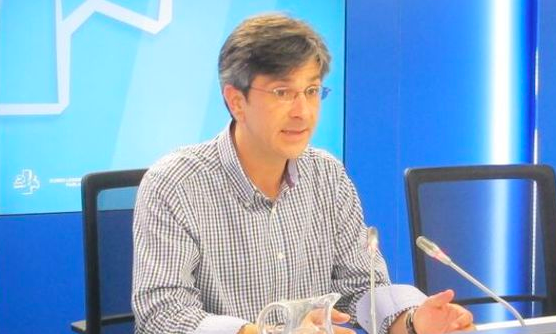
The DGOJ, Spain’s Directorate of Gambling, has hosted its first sectoral meeting on the prevention of money laundering and terrorist financing.
The meeting brought together gambling stakeholders and leadership with representatives from Spain’s Treasury and SEPBLAC, a federal intelligence unit assigned to help Spanish businesses combat financial crimes and minimise threats and exposures.
Discussions were led by DGOJ Director General Mikel Arana, who aims to improve cooperation within the Spanish gambling sector to assist authorities in combating anti-money laundering (AML) risks.
Arana emphasised that AML compliance remains a core discipline of the government and part of the DGOJ’s ongoing reform of Spain’s federal gambling laws, which is overseen by the Ministry of Consumer Affairs.
In attendance, Treasury associate Irene Sánchez Pérez presented an update on regulatory developments and the expected forthcoming compliance duties that will be implemented by the European Commission for high-risk sectors such as gambling.
The meeting concluded with a roundtable discussion led by SEPBLAC, focusing on its observations of financial crimes and incorporating feedback from licensed operators.
The DGOJ stated that, in its role as the Directorate of Gambling, it chooses to promote cooperative measures that reinforce security and legality in online gambling activities, advocating for a strategy based on effective collaboration.
In 2024, the DGOJ achieved its regulatory objective of strengthening Spain’s sports integrity and protections against match-fixing. These initiatives led to Spain becoming a member of the Macolin Convention and the launch of the new SIGMA programme and database, which monitors betting markets directly alerting the governance of all Spanish pro-sports.
2024: No progress on Federal reforms
However, setbacks were encountered in the overhaul of Spain’s federal gambling laws, as both the government and DGOJ made little progress in implementing the changes outlined in the Royal Decree on Responsible Gaming Environments.
The proposed changes have called on DGOJ to implement high technical projects to develop a cross-operator deposit limit and to establish a national database for gamblers under the age of 25.
A significant development in Spanish gambling reform was the government’s leadership changes at the Ministry of Consumer Affairs, following the resignation of Alberto Garzón, the ministerial lead who chose to step away from Spain’s left-wing coalition government.
In response, the government appointed Andrés Barragán Urbiola to the dedicated role of Secretary General of Consumption and Gaming. This appointment was deemed necessary to accelerate legislative changes to Spain’s gambling laws, in line with the coalition pact’s commitments to forming a government.
However, Urbiola’s agenda was immediately disrupted when Spain’s Supreme Court ruled in favour of an appeal filed by trade body Jdigital and the Information Media Association (AMI). The appeal challenged whether the Ministry of Consumer Affairs had bypassed federal revisions when implementing the Royal Decree banning gambling advertising and sponsorships.
As of now, neither the DGOJ nor the Ministry of Consumer Affairs has presented its regulatory agenda for 2025.