
Lucia Gando: SBC Noticias
Lucía Gando, Editor of SBC Noticias, reports that Peru is facing the fallout on the application of a 1% fee on gambling wagers. As the government pushes forward with a controversial turnover-based tax, tensions have erupted between President Dina Boluarte’s congress and Peru’s licensed operators.
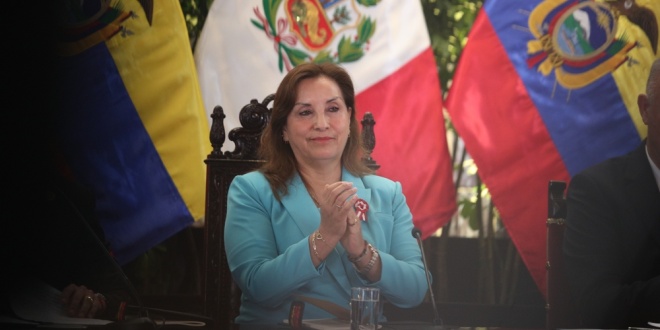
Peru has stumbled into a political conflict on the application of gambling taxes, as President Dina Boluarte rejects modifications sought by Congress.
The incident revolves around Congress allowing modifications to the Legislative Decree 1644. This applied a 1% ‘Selective Consumption Tax ’charge on the wagers of gambling activities, regardless of operators licensing status.
The Selective Tax became effective as of February 2024, with collection on a six-month basis overseen by the National Tax Agency of SUNAT. The tax was applied controversially as a last minute intervention by President Boluarte to launch Peru’s regulated online gambling regime in 2024.
President Boluarte defended the turnover-based tax as essential to ensure contributions from unlicensed and foreign operators.
However, the policy has met with growing opposition from domestic operators, who argue that the flat 1% tax including on promotional bonuses and free bets creates an unfair and unsustainable financial burden on licensed operators. Operators assert that bonuses are marketing tools, not real wagers, and taxing them distorts the economics of their businesses.
In response to this pressure, Congress voted overwhelmingly on 12 June to modify the law, proposing to exclude promotional incentives from the tax base and apply the ISC only to cash-based bets. Domestic operators welcomed the change, stating it restored competitive fairness and brought Peru’s system in line with international norms.
Despite this legislative win, President Boluarte issued a veto, warning the change would cause “serious fiscal damage” and undermine the government’s regulatory oversight. The Ministry of Economy and Finance (MEF) projected that the revisions could reduce annual ISC revenue from 284 million soles to just 14–28 million soles—a 95% drop.
Meanwhile, SBC Noticias reports that an alliance of Peruvian sportsbooks has launched a legal challenge to the decree. Local licensees are demanding a formal explanation from the government, arguing:
“Foreign companies can pass on the ISC tax to the player, while Peruvian companies must bear that cost directly.”
This controversy has also cast doubt on SUNAT’s ability to enforce the tax effectively. Critics note that foreign and unlicensed operators are often beyond SUNAT’s reach, raising concerns that the tax is applied unevenly, with compliant domestic firms absorbing the cost. This has led to accusations of regulatory imbalance and distortion of fair competition.
As the standoff deepens, both legal and political tensions continue to rise. Domestic operators are preparing further appeals and constitutional challenges, citing discriminatory tax treatment. Meanwhile, Congress must now decide whether to override the veto, revise the proposal, or abandon the reforms altogether.
The outcome will be crucial for the future of Peru’s gambling sector. At stake are the credibility of its regulatory framework, the sustainability of its tax policy, and the ability to enforce rules fairly across domestic and international operators. The key question remains: can SUNAT enforce the ISC across all platforms, or will those who follow the rules continue to carry the burden?