Szerencsejáték Zrt, Hungary’s state-owned gambling and betting operator, has undergone a sweeping overhaul of its board and leadership, sanctioned by the new TISZA government.
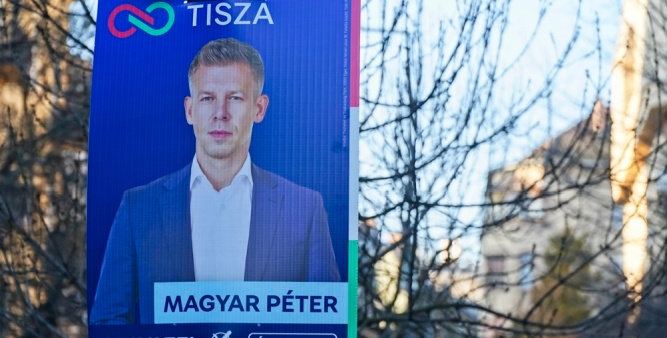
On Tuesday, Finance and Economy Minister András Kármán announced the appointment of Marcell Olajos as Chairman of Szerencsejáték Zrt, marking the first major shake-up of the operator since Péter Magyar‘s government took office on 9 May.
Kármán said that the changes will fulfil TISZA’s pledge to remove political influence and cronyism from state enterprises, restoring transparency, accountability and professional governance.
The restructuring follows the dismissal in late June of Zoltán Guller, former Chairman of Szerencsejáték Zrt and a senior tourism official under Viktor Orbán‘s Fidesz administration.
Guller had overseen one of Hungary’s most strategically important state enterprises, which retained a monopoly over the national lottery and a dominant position in the retail sports betting market.
Effective 15 July, board members Krisztina Rédey, Gábor Bordás, Szabolcs Ágostházy and Zsófia Illés-Puka have been removed, while Marianna Gabriella Poltné Palásthy has resigned.
Poltné Palásthy, the wife of former Prosecutor General Péter Polt, criticised the board’s removal in comments to Hungarian media, describing it as a “politically motivated purge” and accused TISZA of engaging the same practices it had accused the Fidesz of carrying out.
Announcing the overhaul, Kármán declared that “political influence and unauthorised advantage are a thing of the past” at Szerencsejáték Zrt., pledging “corruption-free and transparent management” across Hungary’s public enterprises.
The changes form part of a wider review of state-owned organisations launched following TISZA’s election victory in April. The programme is viewed as central to Prime Minister Péter Magyar’s efforts to revive an economy that has lagged at the bottom of the EU member state ranks for the past three years.
As part of the review, the government will examine Szerencsejáték Zrt’s governance, monopoly privileges and the distribution of gambling revenues under the previous administration.
Particular attention will be placed on how state gambling profits were allocated through sponsorships and public funding during the Fidesz era.
The review could also shape the future direction of Hungary’s gambling market. Although the country opened its online sports betting market to European Economic Area operators in 2023, analysts believe that the government may revisit concessions inherited from the Orbán administration while considering reforms to improve transparency and competition.
However, with Szerencsejáték Zrt. generating more than €3bn in annual revenue and contributing around €447m in taxes and regulatory payments, any reforms are expected to focus on governance rather than dismantling the state’s dominant role in the sector.
As TISZA moves to reorganise Szerencsejáték Zrt, it remains unknown whether PM Magyar or FM Kármán will review the Gambling Acy of 1991.
The Orban administration undertook the process from 2022 to 2023, with the aim to bring new competition to market by liberalising Hungary’s sports betting market. Yet due to multiple privileges upheld by Szerencsejáték Zrt, a tender delivered no interest from competition to take on licences.
The overhaul also comes amid renewed scrutiny of Szerencsejáték Zrt.’s historic distribution of billions of forints in grants through its subsidiaries, with critics arguing that funds disproportionately benefited organisations aligned with the former Fidesz government.