Poland has moved to criminalise the streaming and promotion of illegal gambling content as part of a broader crackdown on harmful online activity, placing influencers and content creators directly in the sights of prosecutors.
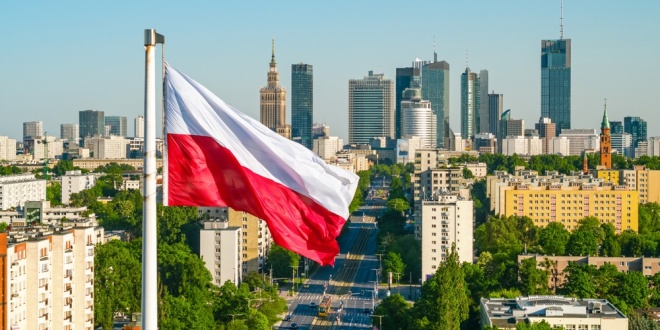
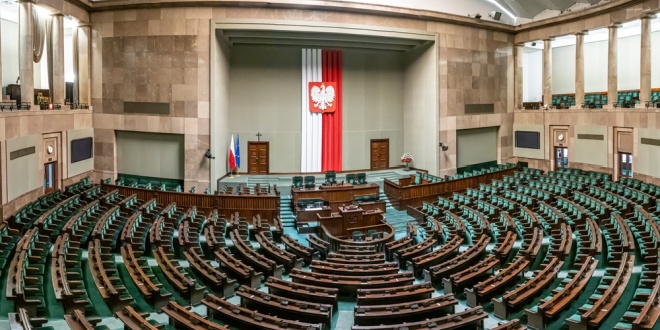
On Friday, the Sejm overwhelmingly approved the “End of Patostreaming Bill”, a flagship measure of the governing Civic Coalition (KO), which passed by 419 votes to 19 with a single abstention.
The legislation now moves to the Senate before heading to President Karol Nawrocki for final approval.
While presented as a response to online violence and abuse, the bill carries significant implications for gambling content and marketing.
For the first time, influencers and streamers who profit from promoting illegal gambling platforms will face criminal penalties under Poland’s Penal Code.
The legislation was first introduced in January by KO ministers seeking to modernise the criminal code that lawmakers believe had failed to protect Polish youth (under-24s).
The target is “patostreaming” – a catch-all term used to describe internet broadcasts featuring violence, abuse, self-harm, humiliation and sexually degrading content that generate income through advertising, subscriptions and donations.
Under the new provisions, individuals who publicly disseminate content depicting criminal acts, or the imitation of criminal acts, may face prosecution where the material is published for financial gain or personal benefit.
The law also captures content involving degrading treatment of others, acts intended to humiliate victims and animal cruelty.
Influencers, streamers and digital personalities can now be held criminally liable for promoting unlicensed gambling operators, facilitating illegal wagering activity or exposing underage audiences to gambling products.
The measures are designed to tackle creators who monetise audiences through the promotion of illegal gambling platforms, underage drinking and other prohibited activities.
Poland strikes with toughest hand
Enforcement will primarily be handled by Poland’s police and prosecutors, while gambling-related investigations are expected to involve the National Revenue Administration (KAS), which already leads the country’s efforts against illegal gambling operators and unlicensed promotions.
The penalties are substantial. Individuals who livestream, publish or profit from content depicting serious criminal offences — including violence, rape, murder, animal cruelty or degrading treatment — could face prison sentences of up to five years.
The same penalty may apply to creators who stage, simulate or falsely portray such acts for commercial gain.
For gambling-related offences, earlier drafts of the legislation outlined sanctions ranging from financial penalties and selective fines to prison sentences of between three months and five years. The effect is to elevate illegal gambling promotion from a regulatory infringement to a potential criminal offence.
The reforms are part of a wider digital safety agenda pursued by the KO government.
In 2025, Poland became the first European Union member state to introduce dedicated consumer protections covering loot boxes and in-game purchases, with policymakers increasingly focused on protecting young consumers from harmful digital spending habits.
Warsaw is also developing a secure age-verification framework linked to the EU Digital Identity Wallet, enabling users to prove their age online without disclosing excessive personal data.
The initiative is intended to strengthen safeguards preventing minors from accessing age-restricted products and services, including gambling.
Yet while the government continues to tighten consumer protections, there is little indication that it intends to liberalise the country’s gambling framework. Poland’s online casino monopoly remains exclusively reserved for state-owned Totalizator Sportowy despite persistent industry concerns over black-market growth and weakening channelisation rates.
For gambling stakeholders, the legislation signals that Warsaw’s priorities remain firmly focused on enforcement and consumer protection rather than market liberalisation.
Influencers and affiliates promoting unlicensed gambling operators now face a far greater legal risk, as Poland moves to make harmful online content and illegal gambling promotion matters of criminal law rather than solely regulatory oversight.