Illegal online operators in Russia, a wide-ranging term given the extensive restrictions on the sector throughout the country, have once again caught the attention of authorities.
The government has begun exploring more ways in which to shut down online gambling operations, and is evaluating the adoption of several methods in the near future. This could include the blocking of websites/applications, as well as blocking of crypto payments for betting.
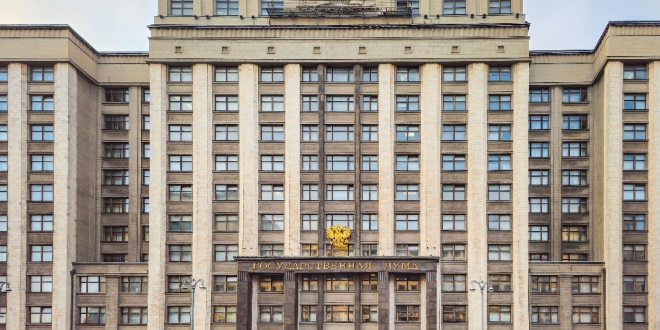
These proposals were publicly discussed by Evgeny Masharov, a member of the Russian Civic Chamber, a civil society institution established by Vladimir Putin in the 2000s to handle the assessment of draft state laws.
Speaking to Russian news outlet TASS, Masharov was questioned about the Commission’s latest meeting, which focused on gambling and explored different paths towards reducing the influence of the sector on vulnerable groups – specifically children and minors.
During the discussions, hearings were held regarding a number of complaints and appeals from Russian parents concerned about their children’s engagement with the gambling sector.
Land-based gaming is broadly accepted in Russia, with retail betting shops common across the country, while casinos are only allowed in Kaliningrad, Primorye, Altai, Sochi, and Crimea. Online gaming is another matter, with online casinos strictly banned but with exceptions existing for online sports betting.
Masharov told TASS that because betting is already regulated by the Russian government, the issue stems from the unregulated online gambling market, particularly games that are easily accessible on mobile devices.
“Gamification has become a trend, while the simplicity and convenience of the game attract new users. The legal market of bookmakers loses to illegals, as the latter do not have requirements for identification and age verification,” he explained.
Detailing the proposals that the OP of RF has put forward, Masharov added that the Commission will seek to establish better communication between three of the key state authorities that can directly influence the black market through restrictions.
These are Roskomnadzor, Russia’s media monitoring authority that can ban IPs, Rosfinmonitoring – a state agency that is responsible for national AML strategies, as well as the RF’s Central Bank, which can directly prohibit the use of cryptocurrencies as a payment option.
Masharov added: “I am sure that today’s discussion will adjust the regulatory regime, and that the developed proposals will stop the channels of involving children in these schemes.”
Market holds no appeal for regulated players
Since Russia’s 2022 invasion of Ukraine, international gambling operators have been wary of setting up shop in the country, with many withdrawing completely due to the sanctions imposed on the Putin regime by the international community.
In the UK, operators that fail to recognise or admit to conducting business with sanctioned entities, individuals or banks associated with Russia in any way are facing enforcement action by the Office of Financial Sanctions Implementation (OFSI) under the AML Act 2018.
For example, Stoke-on-Trent betting firm bet365 was quick to exit Russia not even a week after the invasion began, pulling out all of its operations in the market and prematurely ceasing all brand deals with regional partners.
Companies like bet365 are examples of some of the world’s largest licenced operators, however. For unlicensed and/or illegal gambling sites, many of which utilise cryptocurrency, Russia and its 143 million population clearly still represents an alluring and lucrative market.