With Brazil’s Pix payments infrastructure recently venturing into new territories, a question has emerged – can it make it over to EU coasts as a viable tool for the gambling market?
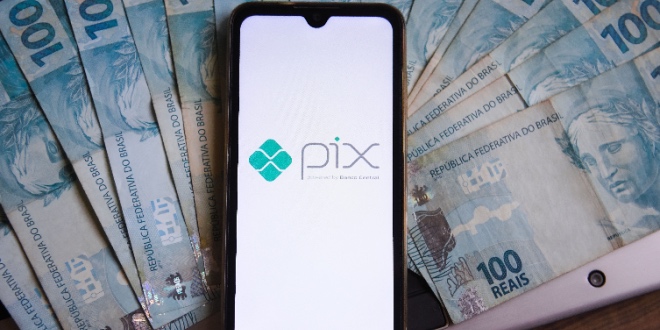
Pix is a real-time payments system that was created and is being managed by the Central Bank of Brazil. It is the most widely used transaction tool in the country.
In March of this year, Pix had over 168 million active users that combined made a total of six billion processed transactions in that month alone.
With the success of Pix being no secret, vendors from neighbouring Latin American countries are now adopting the tool to attract Brazilian tourists.
In Argentina, for example, a digital payments platform called Mercado Pago has added Pix as a payments option for partnering retailers. This can also be easily expanded to other markets where Mercado Pago is active – Chile, Colombia, Mexico, Peru, and Uruguay.
Pix will soon be made available even in North America thanks to a new technology exchange route recently brokered by digital payments companies PagBrasil and Verifone in the US.
In Brazil, use of Pix for gambling transactions is mandatory, with cash, crypto and card payments not permitted. However, as one can imagine, Pix’s popularity meant that its use for gaming payments was already a no-brainer for the industry, regulatory requirement or not.
On paper this specific use of Pix could also be replicated in the above jurisdictions where gambling is legal. However, the EU is poised to be more of an onlooker rather than a direct participant in the expansion of Pix, at least for now.
Cumbersome bureaucracy
This is not due to a lack of potential interest. Quite the contrary. Travel routes between Brazil and Europe have significantly improved over the recent years, with more than 3.8 million tourists visiting European destinations in 2023 alone.
With Brazil’s regulated betting market having launched earlier in January, it is already being projected to reach US$7bn in value by the end of this year. The user count is rapidly growing, and Brazilian tourists will certainly be interested in comparing their own nascent market to what is on offer in Europe.
But administrative red tape caused by individual state policies could certainly challenge any attempts by Brazil’s Central Bank to roll out Pix on European soil.
Exclusively for SBC Noticias Brasil, CEO and Co-Founder of Pay4Fun Leonardo Baptista said: “Each country has its own rules and financial systems, and adopting a tool like Pix would require integration between different legislations and banking structures.
“It would be necessary to create multilateral agreements and integrate the system with local banks and institutions.”
Potential still there
But this doesn’t mean that we won’t see Pix adopted across Europe in the future.
Seamless cross-border payments has been a hot topic for European governments for quite some time now, and payments companies in Spain and Portugal have already struck deals to launch Pix in their respective countries.
In addition, the introduction of a digital Euro on the horizon will bring a need for a stable payment infrastructure, and Pix could easily emerge as a potential candidate to fill the void.
“The topic is already under debate in forums such as the G20, which discusses interoperability between payment systems,” said Baptista.
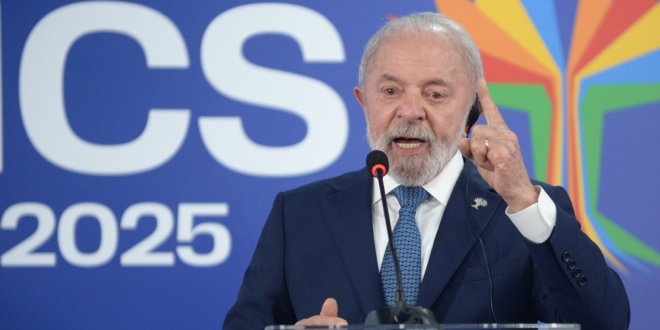
Speaking of international forums, if Pix fails to break ground in Europe, it could potentially find other international opportunities thanks to BRICS, of which Brazil is part of. Fellow members include South Africa and the UAE – both promising gambling markets, with the latter still in its infancy.
And thanks to the robust AML controls and real-time transaction speeds that it offers, Pix is the ‘ideal solution for the iGaming sector in regulated markets’, Baptista concluded.
September 15 will see SBC organise a ground breaking charity football event in Lisbon. Make sure you get the chance to see some of the most legendary names in football by securing your ticket today at https://www.legendscharitygame.com/