Is everyone taking things in-house? Amid the cost cutting, market launches and exits, and never ending changing regulatory conditions of 2026, the old adage of “if you want a job doing, do it yourself” has taken on more significance for a lot of companies.
This is especially true of those in betting and gaming. Increases in taxes across Europe and the Americas, clampdowns on advertising in multiple countries, and advances in technology are making many see more and more value in owning and developing their own tech stacks.
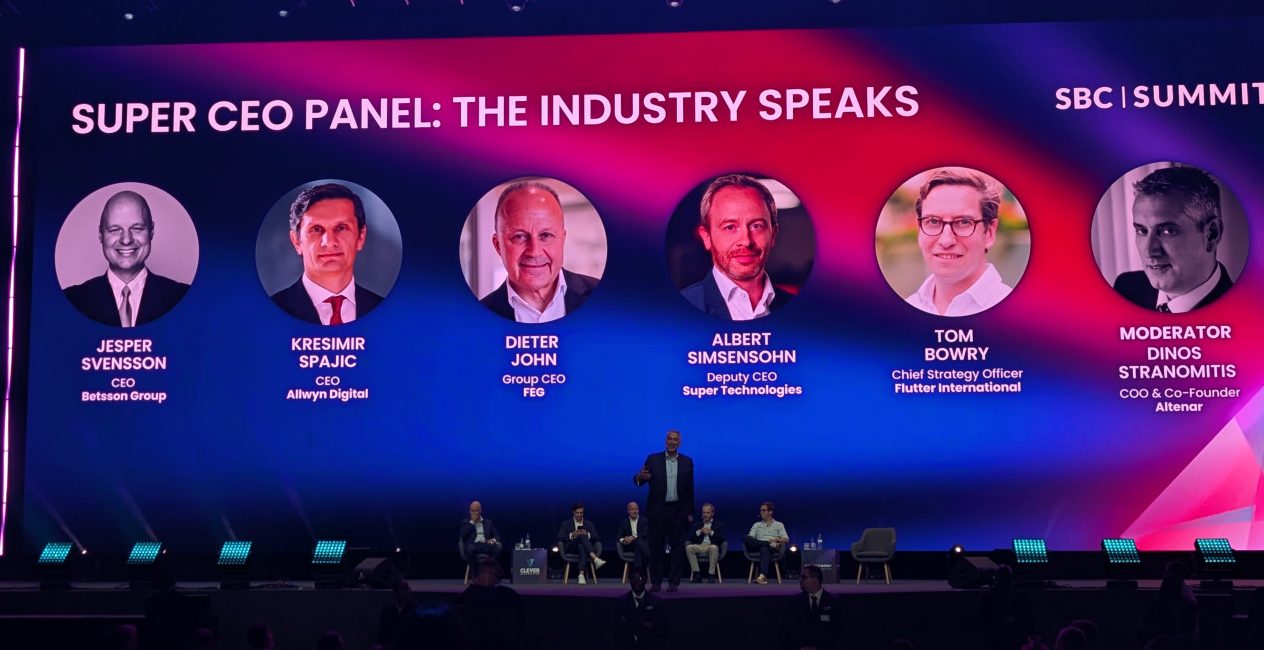
This year’s SBC Summit saw leadership of five of the world’s biggest betting operators take to the stage – Flutter Entertainment, Allwyn, FEG, Super Technologies and Betsson – and each shared a five year plan, with technology front-and-centre of each of them.
Flutter: keeping things simple
“Our vision is to leverage our global scale to enable our local brands to win,” said Tom Bowry, Chief Strategy Officer of Flutter Entertainment. “It’s as simple as that.”
Flutter’s 2026 has been mixed. The firm remains one of the biggest betting operators in the world, with a market cap of $13.3bn as of 5 October 2026, and operates prominent brands in the US, UK, Ireland, Italy, and Brazil, many of which are market leaders in their respective market.
However, 2026 has also seen the firm’s share price drop 64.8% year-to-date. Market unease around its late entry to the prediction markets sector in the US, with it launching FanDuel Predicts after rivals Fanatics and DraftKings in December last year, has contributed to this.
“A king dies every five or six years, and we’re keen to make sure that’s not us,” says Bowry.
Despite the challenges of 2026, in Flutter’s favour is a huge portfolio of international brands like FanDuel in the US, Paddy Power and Sky Bet in the UK and Ireland, Sisal and Snai in Italy, MaxBet in the Balkans, and Sportsbet in Australia, among others.
These all sit on a huge technology foundation. Ensuring its brands “are advantaged by being part of Flutter” is a critical focus, Bowry told attendees in Lisbon last week.
“A local brand in Serbia or Australia can benefit 7,000 technologists around the world,” he said. “That is what we call the Flutter Edge. That is what we think is going to enable us to continue to sustain our position as number one in the industry, so that’s what we’re working hard to do.
“It’s much easier said than done. There are operating model questions, technology questions, people questions that need to be worked through around that. That’s that’s what that’s the path we’ve been on for the last couple of years, and we still think that’s the right path.”
Allwyn: competing beyond gambling
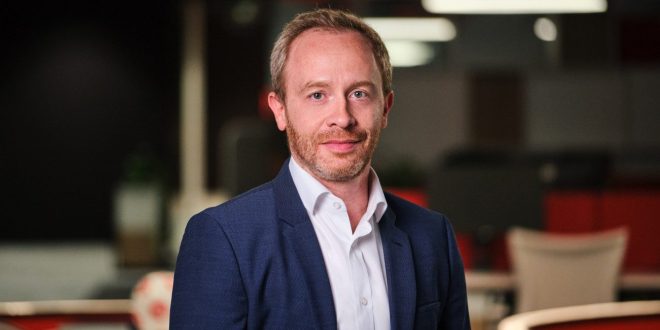
Kresimir Spajic, CEO of Allwyn Digital, was the only leadership figure on the panel representing a company which counts lotteries as its primary product. He is also playing a prominent role in Allwyn’s development into a broader entertainment company.
This word – entertainment – is the key for Spajic. He sees the gambling industry as now having to compete with other adjacent industries in the entertainment space, such as those which share its links to sports and gaming. This shapes how Allwyn Digital is viewing the next five years.
“I think in order to win in this industry now, it’s not only about competing between ourselves; it’s about competing with wider entertainment,” he said.
“And that’s why we are focused as a Allwyn in creating a digital gaming entertainment ecosystem. We talk a lot about the ‘super app’, or whatever this is, but for us, what does this mean?
“We connect our technologies, we connect our products, we connect our data into one ecosystem, which has the main purpose of offering customers experiences that they demand and want in a very seamless and very easy way.”
FEG: nothing but ambition
Fortuna Entertainment Group (FEG) set its vision many years ago, says CEO Dieter John, and he asserts that “it’s more than valid for the years to come”.
The firm has built itself up as a dominant player in Central and Eastern Europe, and aims to become the “leading gaming entertainment provider” in its markets of the Czech Republic, Slovakia, Poland, Romania and Croatia.
“We want to be in a leading position in all our markets because we believe scale matters,” John told Lisbon attendees.
“We have a strong growth ambition, both organically but we also want to expand in new markets. I’ve committed to my shareholders that we will double the value in EBITDA in the next five years.”
Central to FEG’s plans for local dominance is a move to in-house operations. Dieter remarked that the company has “completely reduced our third party dependency”, and is in the final stages of fully adopting its own proprietary tech stack.
Similar to Flutter, FEG is leveraging global expertise with tech and innovation centres in London and Madrid, and a machine learning hub in Hyderabad, India.
Super: tech meets entertainment
As its newly adopted name suggests, Super Technologies is a company which keeps technology close to home. The company rebranded from its long-running identity as Superbet earlier this year, attempting to reflect its focus on technology-led global growth.
Like FEG, Super is a CEE-focused company, with the duo sharing two markets, Romania and Poland. The firm also finds itself competing with Flutter and Betsson both in its home region of the CEE and in Brazil.
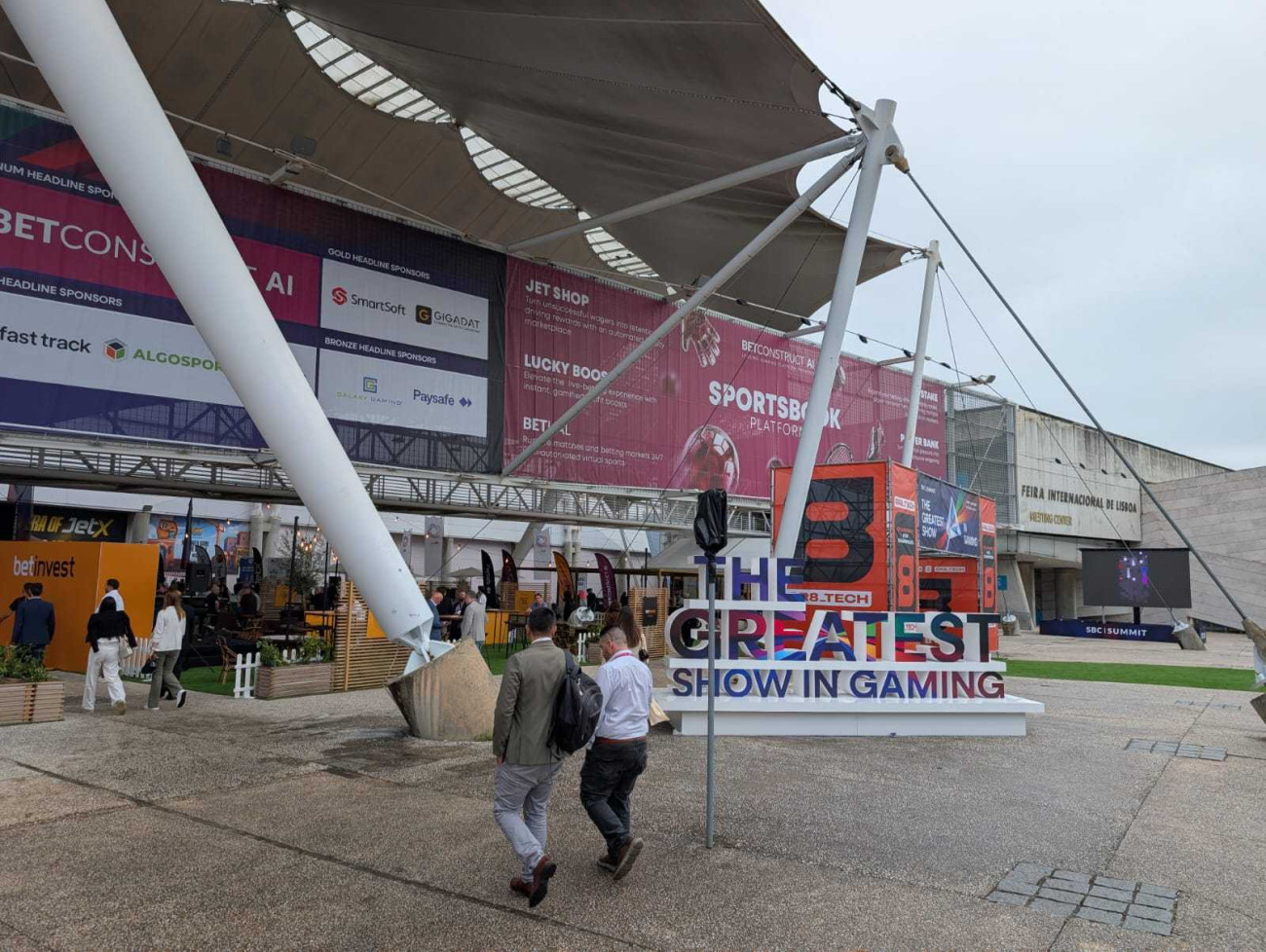
“I think we’re about to compete on some interesting intersections between our companies,” the firm’s Deputy CEO, Albert Simsensohn, joked at the MEO Arena last week.
Shedding light on the firm’s five year plan, Simsensohn put a big emphasis on technology.
Super aims to make Superbet “the leading sports entertainment brand in every market we choose to operate in” – an ambition which will put it in close competition with FEG in the above-mentioned markets of Poland and Finland.
In the view of Super leadership, combining technology with entertainment value is going to be the key to standing out. Simsensohn shared that this is “a fundamental driver which customers come for”.
“They come from the passion that sports instigates, but they want great platforms and products to experience that excitement and live in different needs and different experiences,” he said.
Betsson: in-house to take over
Finally, we came to Betsson. The Swedish-based betting brand has built up a formidable international footprint across Europe, Africa and the Americas, most recently initiating a rebrand in Belgium to take its flagship brand live there.
“We always had a vision to give the best customer experience we can,” said Jesper Svensson, Betsson Operations’ CEO. “In the markets where we invested, we need to have a product that stands out.”
So how does one have a product that stands out? Well, in-house technology comes in handy, and Svensson expects this to have a huge structural impact on the industry over the next five years.
“I think for the next five years we will see some changes in the supply level operators. I think the type of content that is being distributed today is likely to change a lot. I think more things can be moved in-house as an operator today.”
He continued: “I think operators have an opportunity to use their positions a little bit stronger in the next year, given the advances in technology and changes in the supplier side of the business.”