Key stakeholders in the gambling markets of Europe are well aware that change is afoot.
From the UK, Ireland and France in the west to the Nordics in the north and to the Balkan nations of the southeast, policymakers and regulators have been putting new frameworks in place – or at the very least have been pushing to do so.
With the first half of the year now over and operators busy counting wins and losses from the World Cup, sports betting tech firm SOFTSWISS has put together its iGaming Trends 2027 report.
To get an overview of developments in two of Europe’s biggest, but also more troublesome markets, SBC News is diving into the report as well as data available from Blask to see how the landscape is shaping up for ‘27.
UK – tax sets the tone
SBC News readers will be all too familiar with the topic of tax. Ever since the budget announcement last December, the changes to Remote Gaming Duty from April 2026 have been on everyone’s mind.
RGD went up from 21% to 40%, while General Betting Duty (GBD) will go up from 15% to 25% from 1 April 2027. There was some relief for a few stakeholders, like Rank Group, however, when the 10% Bingo Duty was abolished.
SOFTSWISS noted that the government expected the gambling duty package to raise “more than £1bn per year once fully implemented”.
A change in Prime Minister from Keir Starmer to Andy Burnham in July has not changed the course either, and Burnham is eyeing up potentially going further with an increase on business rates paid by Adult Gaming Centres (AGCs).
Sports betting companies have been largely spared the tax burden, which has largely been shouldered by online casino firms, as SOFTSWISS’ report noted.
“For operators, the near-doubling of Remote Gaming Duty changes the economics of the UK online casino vertical,” the report states. “It affects margin planning, promotional budgets, and product-mix decisions from the second quarter of 2026 onwards.”
With the dust somewhat settling on the tax debacle, betting and gaming advertising has once again found itself a topic of debate, although in this case some operators like Entain have been able to shine a spotlight on the amount of unlicensed sponsorship activity taking place in UK sports.
Some observers from other markets have offered warnings about tax and advertising clampdowns, however.
Commenting on SOFTSWISS’ report, Magnho Jose, President of the Brazilian Legal Gaming Institute, said: “Restricting gambling advertising and taxation are the measures most often discussed by lawmakers, often without sufficient data to back them.
“The risk is that such steps weaken the regulated market and create space for illegal operators to grow.”
The taxation and regulatory conversations have not deterred operators from continuing to invest in the UK market, however, with some perhaps hoping to take advantage of others bowing out.
According to Blask, the country has an average Competitive Earnings Baseline (CEB) – an estimated revenue range based on customer acquisition and retention – of US$12.37bn (£9.19bn).
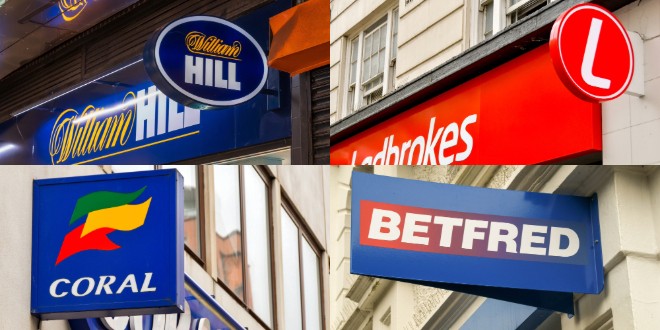
The market hosts 365 brands, according to Blask, though the top five in its index are hard to beat – bet365, William Hill, Ladbrokes, and Flutter Entertainment’s dynamic duo of Sky Bet and Paddy Power.
Netherlands – a tale old as time
The Dutch betting market was re-regulated under the KOA Act in October 2021. The sector quickly found itself in the political firing line, however, with advertising a particular area of contention.
And on the topic of contention, the industry has a big one in taxation, with the rate on gross gaming revenues (GGR) going to 34.2% 1 January 2025 and increasing again to 37.8% on 1 January 2026.
Applicants for licences also need to submit an exit plan in the event they decide to cease trading – something a few will have had to do after deciding the market was no longer worth it due to the new tax regimes, like LiveScore.
For many in the industry, the Netherlands has become what they feared – an over-regulated, overtaxed market which has led to over 53% of online gambling spend heading to unlicensed operators, while growth in the legal market stagnates.
“The Dutch experience raises an important question for regulators and operators: at what point do higher taxes and tighter restrictions begin to weaken channelisation rather than strengthen player protection?” SOFTSWISS report asks.
In all fairness to the Dutch market and its policymakers, according to Blask, the market remains steady and vibrant, with CEB of US$8.82m. While this is nowhere near the size of the UK, it still makes it the 13th largest market globally.
The largest brands in the market are also the historic regulated ones – Toto, Unibet and BetCity being the top three, though it doesn’t take long for some familiar international grey market actors like Roobet to appear.
With yet another major regulatory change on the horizon – no less than a complete ban on gambling advertising – the licensed market’s concerns that black market players could gain further ground are at fever pitch.