

Search
Choose a style
Dark
Light
Features

BREAKING
UK
Time to read: min
A list of the biggest penalties handed out to UK bookmakers
September 29, 2026

BREAKING
Europe
Time to read: min
SBC Summit Lisbon 2026: live with Michael Jordan and more
September 29, 2026

BREAKING
Featured News
Time to read: min
Georgia unlocks all utilities for full launch of International iGaming Licence regime
September 29, 2026

BREAKING
Europe
Time to read: min
Sponsor Spotlight: Big week for localised gambling partnerships
September 4, 2026
BREAKING
Sportsbook
Time to read: min
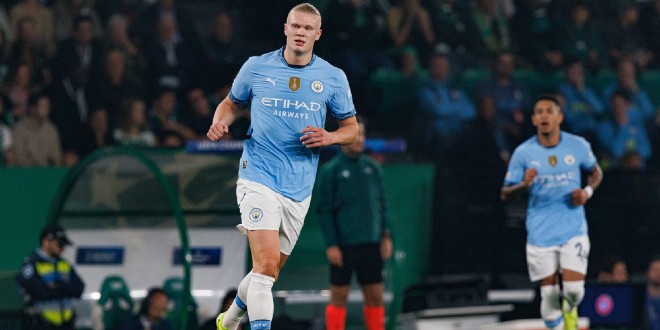
Bookies slash or suspend Manchester City relegation odds after guilty verdicts
September 25, 2026
BREAKING
iGaming
Time to read: min
Defeating latest UK tax raid threat 'requires industry unity'
September 24, 2026

BREAKING
Sportsbook
Time to read: min
Entain calls out UK government’s ‘inaction’ as firm pushes again for ban on unlicensed sponsors
September 18, 2026
BREAKING
UK
Time to read: min
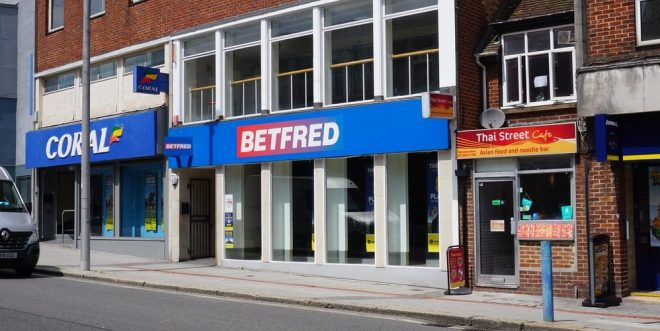
UK betting industry appeals to jobs and community in anti-tax push
September 28, 2026
BREAKING
Sportsbook
Time to read: min
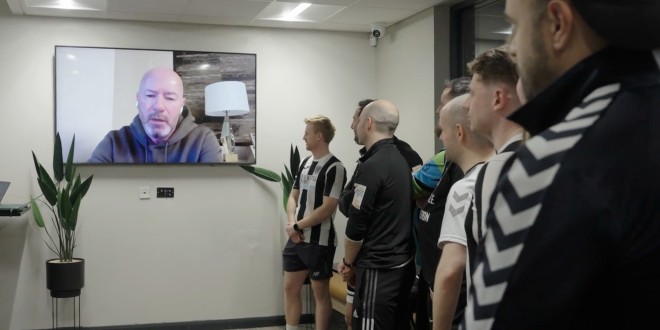
Shearer and Souness support Flutter’s £500,000 Cash4Clubs
September 25, 2026

BREAKING
UK
Time to read: min
BOYLE Sports signs David Ginola for latest marketing push
September 23, 2026
BREAKING
Sportsbook
Time to read: min
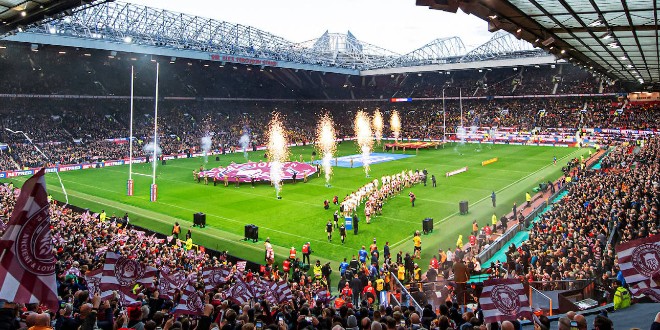
Betting taxes blamed as Betfred calls time on Super League support
September 21, 2026

BREAKING
Features
Time to read: min
Lords make case for full UK gambling advertising crackdown
September 17, 2026
Can Britain’s bookies win their latest gaming tax fight? The odds and optics are against them…
You’ve shared it!
A year on from the tax rows of the summer of 2025, we’re heading into autumn 2026 with a sense of deja vu. Once again, UK betting firms find themselves facing another tax rise.
This year though, lobbying might be even more difficult, and the simple reason for this is optics. Last year, while betting and gaming still caught a lot of flak, the sector was able to at least mount a defence of sports betting, which was exempted from April’s online gaming tax raise.
This time, the government is going after Machine Games Duty (MGD) – at least it might be. Nothing has been confirmed yet and it won’t be until Chancellor of the Exchequer, John Healey, steps outside No 11 Downing Street on 28 October. But pro-gambling reform supporters have already rallied behind the prospect.
Operators still faced difficulties in 2025, campaigning against a tax raid on sports bets, a popular pastime for many Britons and one with deep connections to beloved sports like football, rugby league, and of course horse racing. But this year will require an even more delicate balancing act.
The industry is having to defend a much more controversial vertical, the betting shops’ fixed odds betting terminal (FOBT) machine. These machines are present in all betting shops across the UK and feature slot games and virtual roulette.
They have also previously been demonised as the “crack cocaine of the high street” due to a deeper association with problem gambling and gambling related harm. This term was thrown around a lot back in 2018 when the government decided to reduce the stake limit on slot and roulette spins on these machines from £200 to £2, effective April 2019.
Back then, Betfred founder Fred Done wrote an open letter condemning the then-yet-to-be-implemented limits, claiming the £2 cap would make 660 of Betfred shops loss-making overnight.
“This is without doubt the biggest threat to the high street betting shop I have faced during my 50 years in business as a bookmaker,” he said.
New debate, same arguments … a new challenge
Last weekend, Done had his pen and paper out again as he wrote an op-ed in The Sunday Times and was interviewed by the Financial Times.
He discussed the state of play for Britain’s betting shops after increases in National Insurance contributions and the minimum wage, and the increase in Remote Gaming Duty (RGD) in April.
And once again, he echoed comments made nearly a decade ago, this time perhaps going one step further by predicting that retail betting in the UK will be completely eradicated by 2030.
Done argues that an increase in the middle rate of MGD from 20% to 40% would lead to Betfred losing billions, forcing it to close hundreds of shops and putting thousands of people out of work.
Similar arguments have been made by Entain and the Betting and Gaming Council (BGC), among others.
The logic behind this is fair – if taxes on machine games revenue go up, the company’s bottom line will be hit, and it would have to mitigate costs to do this. It’s not the only firm that will feel the sting.
The trouble is the optics around the product, and how this affects public opinion. Gaming machines are not particularly popular among the general public or among politicians.
Adding another layer to this are some of the talking points from prior industry lobbying.
When the industry has campaigned around betting shops over recent years, whether amid the 2020-2023 review of the 2005 Gambling Act or last year’s tax discourse, it has focused heavily on the entertainment value of betting shops, as well as their role as a social or community hub and employer.
This is an easy argument to make about betting on football and racing – sport brings us all together at the end of the day, doesn’t it? Just look at the World Cup, or conversations with your workmates about the weekend’s football results.
It’s a much harder one to make around gaming machines, a much more solitary product.
And with the government facing a lot of financial pressure and the need to raise more revenues to support infrastructure development, social projects and defence spending, while also clearly being far from sympathetic to the industry’s role in the high street, the odds are firmly stacked against the sector.