The UK betting industry’s biggest brands have spent years using their financial muscle to attract customers through generous welcome offers, enhanced odds and expensive marketing campaigns.
But with the cost of doing business set to rise in 2027, could the advantage finally shift towards smaller operators?
For LadBet, the answer lies in a changing economic reality that could force even the industry’s biggest players to reconsider how much they are willing to spend to acquire and retain customers.
With further gambling tax changes on the horizon, operators face mounting pressure on margins, promotional spending and profitability. LadBet believes the resulting shift in customer acquisition strategies could create opportunities for challengers to win market share.
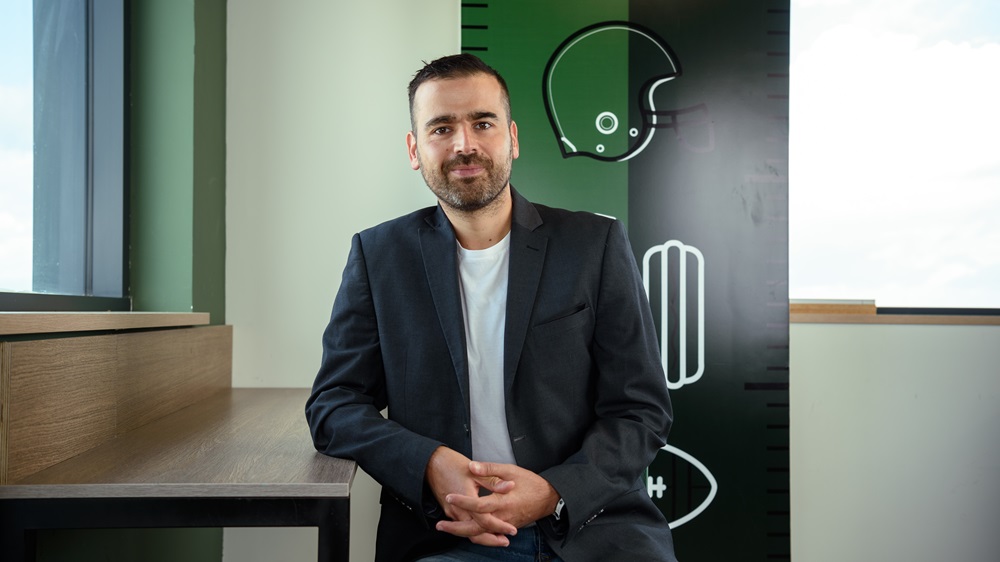
Speaking to SBC News, Liam Normanton, Head of Sport at LadBet, explains why 2027 could reward discipline over scale, how rising costs could reshape the competitive landscape and why the industry’s long-standing obsession with customer acquisition may need a rethink.
SBC News: As the UK sports betting industry looks towards 2027, what do you anticipate will be the biggest challenges and opportunities for operators, particularly those competing against established market leaders?
Liam Normanton: The biggest challenge is cost. Remote betting duty rises from 15% to 25% in April 2027, and that lands on top of compliance costs that have grown every year. Every operator feels it, but a challenger has less margin to absorb it and no retail estate or overseas business to lean on.
The opportunity comes from the same place. When the cost of doing business goes up, the whole market has to rethink how much it gives away and to whom. The largest brands will trim their generosity too, and customers will notice. That is a moment when people look around.
So 2027 rewards discipline more than scale. Operators who know exactly which customers they want, and who spend their promotional budget on those customers, can grow while others are retrenching.
SBC News: With larger sportsbooks benefiting from significant marketing budgets and brand recognition, where do you believe smaller operators can realistically gain a competitive advantage in 2027?
Normanton: Not on spend, and it would be a mistake to try. A smaller operator wins by doing fewer things and doing them properly.
First, focus. We do not need to be the best at every sport in every country. We need to be very good at the sports our customers actually bet on, and for LadBet that means football first.
Second, speed. A small team can change a price, a promotion or a piece of content in an afternoon. A large operator needs a committee.
Third, knowing our customers. At our size we can still look at how individual groups of customers behave and act on it, rather than managing by averages. That is where a challenger can be sharper than a market leader.
SBC News: How do you expect betting habits and customer expectations to evolve throughout 2027, and which emerging trends do you believe will have the greatest influence on sportsbook product development?
Normanton: Most customers still want to pick a winner, and I do not see that changing in 2027. Match result singles and weekend accumulators remain the heart of football betting. The bet builder is growing alongside them rather than replacing them.
It suits customers who want to back their own view of how a match will play out, and it will keep gaining ground. Product development should reflect both: make the simple bet as quick as possible, and make builders easier to use, with ready-made selections for people who do not want to start from scratch.
The trend I would watch most closely is curation. Nobody needs thousands more markets. They need the right handful put in front of them at the right time, and that is a far more useful thing to build.
SBC News: In-play betting continues to be an important component of the sportsbook experience. How do you anticipate live betting evolving in 2027, and what opportunities will developments in technology and data create for operators?
Normanton: In-play will get faster and less interrupted. The frustration for customers has always been the suspended market and the bet that will not go through. Better data feeds and quicker pricing are steadily closing that gap, and customers will come to expect a live bet to be as smooth as a pre-match one.
The bigger shift will be the bet builder moving in-play. Being able to build or adjust a multi-leg bet while the game is on, and cash out reliably, changes how people engage with a match.
For a smaller operator the technology is largely supplied by platform and data partners, which levels the field. The difference is in how we present it and trade it. Clear, simple live markets on the games people are watching will beat a long list of novelty markets.
SBC News: With many sportsbooks offering similar markets, odds and promotional incentives, how can operators create a distinctive betting experience that encourages long-term customer loyalty?
Normanton: Most sportsbooks draw on similar data and similar platforms, so the markets themselves are rarely the difference. What a customer remembers is how they were treated.
In practice that means the unglamorous things. Withdrawals paid quickly. Terms a customer can understand without a magnifying glass. Promotions built around the fixtures they care about, rather than whatever is easiest to run.
It also means rewarding people for staying, not just for arriving. The industry has long given its best value to someone on day one and far less to the customer who has bet every weekend for a year. Reversing that is the most direct route to loyalty.
Brand matters too. A sportsbook with a clear voice and a point of view is easier to come back to than one that looks like every other.
SBC News: With the UK betting industry facing increasing regulatory requirements and commercial pressures, how do you expect operators’ approaches to customer acquisition, retention and profitability to change in 2027?
Normanton: Acquisition gets more selective. With duty at 25%, a blanket sign-up offer that attracts anyone and everyone no longer adds up.
A meaningful share of people who take a generous welcome offer never intended to stay, and operators can no longer afford to fund that. Expect offers designed to appeal to genuine recreational bettors, and marketing channels judged on the value customers go on to bring rather than the number of sign-ups.
On profitability, the promotional budget becomes an investment that has to show a return. Margin discipline, sensible limits on enhanced prices and safer gambling all sit inside that, not alongside it.
SBC News: Do you anticipate a shift away from traditional promotional-led acquisition strategies towards greater investment in personalisation, customer experience and long-term player value?
Normanton: Yes, though promotions are not going away. They are changing shape. The standing, no-strings giveaway is the part that fades, because it rewards the wrong behaviour and the economics no longer support it. What replaces it is value that is earned, tied to a customer’s own activity and sized to the relationship.
Personalisation deserves some honesty. It is only as good as an operator’s data and tools, and much of what the industry calls personalisation is a first name in a subject line.
Useful personalisation is simpler than it sounds: the right sport, the right fixture, the right moment, and fewer messages overall.
The period that matters most is the first few weeks after sign-up. A customer who comes back for a second and third time is worth far more than the size of the first offer. That is where I would put the investment.
SBC News: Looking specifically at LadBet, what are your main strategic priorities for 2027, and how will these help position the brand within an increasingly competitive UK sportsbook market?
Normanton: We have three.
The first is growing with the right customers. We would rather be a smaller, healthier sportsbook than chase volume that does not last. That shapes how we design offers and where we spend on marketing.
The second is looking after the customers we already have. We want regular bettors to feel that loyalty is recognised, with rewards that reflect how they bet, and we want to reach people who are drifting away sooner and with something relevant.
The third is the football product. That means making bet builders and boosted prices easier to find and use, and putting good, ready-made bets in front of customers on the fixtures they follow.
Together those position LadBet as a straightforward, football-first sportsbook that treats regulars well. In a year when costs rise for everyone, we think that is a stronger place to be than trying to out-shout the biggest brands.