Football is the most popular sport in the world, and the competition isn’t even close. As many as 1.5 billion people tuned in to watch Spain defeat Argentina in the 2026 FIFA World Cup Final. FIFA itself claims that upwards of 5 billion people in the world are football fans.
Ancient historian Tom Holland describes the game as the most popular pastime in all of human history. The sport is simple to follow and easy to play, yet taps into psychological benefits such as community cohesion, a sense of belonging and identity.
There is no wonder that brands figuratively fall over each other in an attempt to attach themselves to the sport in one way or another. Football can help brands spread their message on a scale and in a way that no other sport – or ad placement opportunity – can compete with.
How trust can make or break football sponsorships
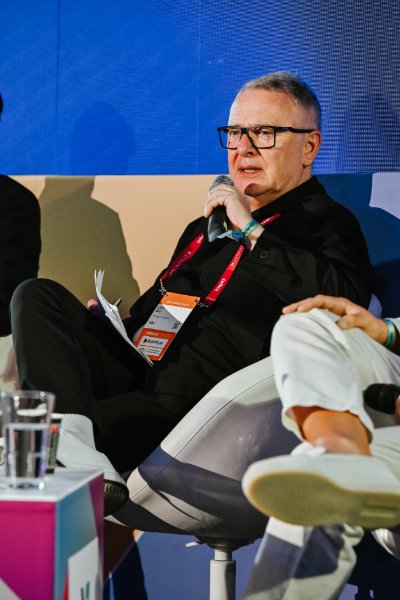
Chris Bird, a member of the 1xCare Advisory Committee, told SBC News: “Football speaks to people across countries, cultures and generations. Very few sports have that reach or that level of loyalty. I have worked in football, business, media and sponsorship for most of my career. What I have learned is that football can give a brand enormous visibility, but visibility is not the same as trust.
“Trust comes from what the brand does with the partnership. It comes from being responsible, respecting supporters and contributing something positive. Putting a name on a shirt or around a stadium is the easy part. What matters is the behaviour behind it.”
Trust is an essential part of partnering with football clubs because those clubs are institutions that people identify with in an almost tribalistic manner. Partnerships that can create genuine connections with the supporters of those clubs will be the ones who win in the long-term.
That is because there is so much scale to football’s reach.
Marketing agency SportFive estimates that there is a 41% higher product use and 40% higher likability for sponsors among fans. Meanwhile, 65% of individuals aged 16-24 actively engage with football content on social media. There is so much potential for brands that can earn the trust of supporters.
Putting responsible gambling at the heart of partnerships
Bird explained exactly how operators can help build trust and place integrity at the heart of their sponsorship activities. It begins, he said, with operators and clubs agreeing on how the brand will be promoted.
“There should be clear responsible gambling messages, proper age controls and direct access to help. Players, club staff and commercial teams also need education about match fixing, inside information and approaches from people seeking to influence sport.
“The work should be measured independently. It is not enough to say that a partnership is responsible. Operators and clubs should be able to demonstrate what they have done, how many people they have reached and what they have learned.”
Bird, who is a former COO of Manchester City FC, is part of 1xCare’s newly formed advisory committee as it aims to achieve its aim of connecting research, education, technology and well-being support across the global gambling ecosystem.
The body is an independent brand separated from 1xBet, a global operator with more than 35 licenses worldwide. The operator has sponsorship deals with FC Barcelona, Paris St. Germain and the Confederation of African Football.
With 442 million, 235 million and 20 million followers respectively amongst those brands, 1xBet has significant opportunities to reach a mass audience in its target markets and demographics. But it remains all too aware of the responsibility that comes with.
As Bird explained: “I cannot speak for 1xBet about the commercial delivery or results of individual partnerships, but from my position as an independent member of the 1xCare Advisory Committee, partnerships of this size create both an opportunity and a responsibility.
“Meaningful engagement must be about more than brand exposure. It should include education, clear responsible gambling information, support for communities and strong protection for adult customers. The bigger the partnership, the greater the responsibility to use it properly.”
Some of the ideas that Bird mentioned include understanding the audience and the local laws in which the partnership is taking place. Operators, he explained, must ensure promotion is directed only at adults and does not present gambling as a route to success, status or financial security, while clear limits, support services, staff training and independent advice should be available.
He also warned that not everything in a partnership should be focused on profiteering.
Those reflect the core tenets of 1xCare, a non-profit which was formed earlier this year to connect research, technology, education and wellbeing in the name of player protection. Led by Chair Simon Westbury, the body is committed to engaging with industry stakeholders on safer gambling initiatives.
“1xCare is still developing, but its purpose is important,” added Bird. “It creates a place where people with different experience can offer independent advice, ask difficult questions and challenge the business where necessary.
“What I can do is bring practical experience from football, media, business, charities and more than 20 years working around the betting industry. I can help identify risks and keep the focus on adult customer protection, prevention, integrity and social responsibility. For 1xCare to be meaningful, it must be prepared to listen, learn, measure its work and be honest about where improvements are needed. It cannot simply be a marketing badge.”
Bird is applying that experience, which includes being CEO of the Raheem Sterling Foundation and an advisor to Betfred founder Fred Done, to 1xCare and its aims of shaping player protection standards.
Madrid Football Summit to shape future of sports sponsorship
Part of that role is travelling around the world for conferences to spread the word. Next week, Bird will be heading to the Madrid Football Summit, an event which brings together clubs, operators, governing bodies, advisers, regulators and people working in player welfare.
He said that events like this are essential for discussing best practices on a wide range of issues, but particularly responsibility in sponsorship.
“Progress comes when those people listen to each other and are prepared to discuss the difficult issues, not just the commercial opportunity,” he noted. “These events can help share good practice and create standards that work across different countries. They can also move the conversation away from slogans and towards practical action.”
It is no secret that more scrutiny is placed on the exposure of gambling advertisements in football – highlighted by the Premier League’s voluntary ban on front of shirt sponsorships that came into effect this season.
But Bird explained that part of going to the Madrid Football Summit is to listen to concerns, ask pertinent questions and to get practical answers for how partnerships can help raise standards.
“I am not attending to defend everything the industry has done. I am there to help improve what it does next. The future of football sponsorship has to be more open, more responsible and more accountable. It should protect adults who choose to gamble, protect the integrity of football and recognise the influence these partnerships have on the wider community.
“If I can help bring those different interests together and turn good intentions into action that can be measured, then I will have made a useful contribution.”