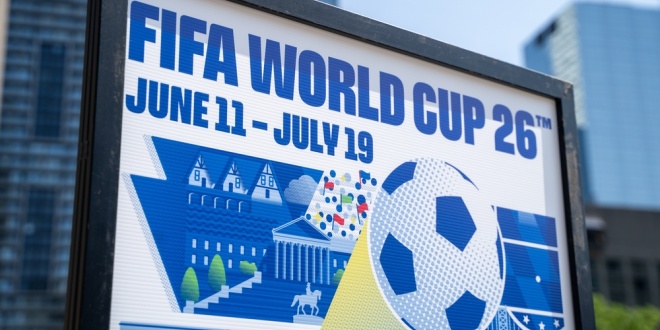
The summer football fever is upon us, with mere hours to go until the start of the 2026 FIFA World Cup. This has prompted gambling regulators across Europe to ask bettors not to let excitement cloud their rational judgement.
As the tournament kicks off this Thursday, 11 June, football fans will witness the biggest edition of the World Cup in its entire history, with 48 teams locked in a battle across three countries in North America and the prestige golden trophy at stake.
The size of the competition has prompted gambling operators to scramble their global marketing teams and capitalise on the increased exposure.
Balancing that out, however, are the regulators on the other side, who in the World Cup lead up have worked overtime to ensure that bettors do not forget about controlling their gambling behaviour.
France
The French team is being touted as one of the odds’ favourites when it comes to lifting the trophy this year. As such, the national regulator ANJ anticipates a high volume of bets and betting participation across the country, with more than half of the population (57%) expected to follow the tournament.
A detailed breakdown shows that ANJ expects 41% of all French World Cup viewers to bet during the event, which is 5% higher than the numbers during the 2022 World Cup, and 6% more than the Euro 2024.
Furthermore, a total of 30% of all expected bettors have stated that they will be wagering more money than they did in past major football events – as opposed to the 19% of French bettors when prompted with the same question back in 2022.
Therefore, the regulator has launched a rather creative nation-wide campaign to remind of the risks of compulsive betting. Created together with the marketing agency LIBRE, the initiative will put yellow tapes similar to those of the police across betting ads running throughout the tournament.
These lines will serve as a visual warning sign, symbolising an area which can prove dangerous if crossed into.
So, if you happen to be in France during the tournament and you spot these lines next time you see a betting advert, don’t be surprised – now you know what it means.
Germany
Germany and its gambling regulator, the GGL, has instead chosen to directly warn German players about the dangers of the black market.
This is to be expected, given that the country has some of the lowest channelisation rates in Europe, and local stakeholders anticipate more than €400m in bets to be lost to offshore operators during the tournament.
Drawing a direct correlation between gambling addiction and the black market, the regulator has called for increased vigilance by players as it intensifies its supervisory and control functions during the World Cup.
Ronald Benter, Chief Executive Officer of the GGL, commented: “Big sporting events such as the World Cup regularly lead to an increased interest in sports betting. Consumers should therefore find out on the official whitelist which offers are legal.”
While Benter and his team assess all ongoing betting promotions, analyse concurrent broadcasts, and monitor online sports betting offers, the GGL is also asking bettors to actively engage with the regulator’s website to gain a better understanding of what is allowed under German law.
Therefore, the play for Germans here is simple – monitor the GGL communication channels for what constitutes a legal sports betting offer, and pay frequent visits to the official whitelist so that you know which betting brands are licensed to operate in Germany.
Malta
The Malta Gaming Authority (MGA) is flipping the script upside down, deciding to instead remind all licence holders for their obligations under Maltese law.
Local licensees were issued a notice, urging them to keep a close eye on their platforms and report any suspicious betting activity in a timely manner.
Given that the MGA is a prominent partner of FIFA, it makes sense to warn the licensed operators first, as they are required to maintain robust internal governing arrangements to protect the integrity not only of the World Cup, but also of all sports in their offer.
If you are a Malta licence holder, you still have a few hours ahead of the tournament to ensure that all of your responsibilities are in check.
Belgium
Belgium has taken a similar approach to Germany, listing all available support options for bettors that could experience gambling harm during the World Cup.
Again, the notice of the gambling regulator includes direct links to the Belgian operators’ whitelist. A nice touch here is the reminder that betting also leads to losing money, and that punters should wager only what they can afford to lose.
In case this goes out of hand, the Belgium Gaming Commission has also put in links to the national self-exclusion scheme EPIS
Magali Clavie, Chair of the Gaming Commission, added: “Sports betting can be fun and relaxing, but it also carries real risks, both financial and personal. That is why it must always be practised responsibly. Our priority remains the protection of players.
“In the run-up to the World Cup, we wish to convey a three-fold message, so that betting remains purely recreational and gambling does not become problematic behaviour.”