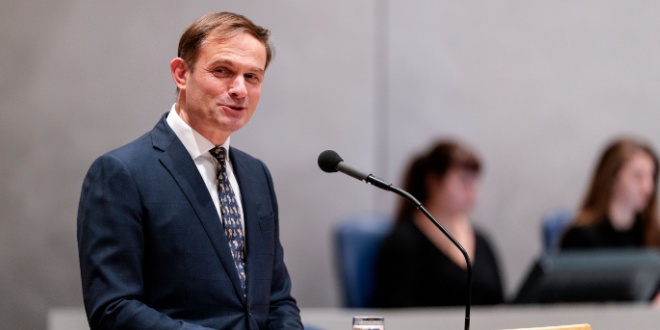
Teun Struycken, the Dutch government minister responsible for betting regulation, has elaborated on the prospect of further restrictions around advertising amid public and political scrutiny on the topic.
Addressing MPs in the House of Representatives this week, Struycken, who serves as the Netherlands’ Legal Protections Secretary, stated that he will consider ‘whether further tightening of the rules is desirable’.
As it stands, Dutch betting firms are strictly prohibited from targeting people aged under 24 and from using ‘role models’ in advertising – these role models being athletes, celebrities and social media influencers, who have a stronger appeal to younger audiences.
From 1 July 2025 a ban on sports sponsorship will come into effect, similar to neighbouring Belgium. However, Dutch MPs appear alarmed at some instances of operators finding loopholes and ways around the ban in Belgium.
Struycken told MPs: “I cannot rule out that there are parties in the Netherlands that will try to display sponsor names or logos related to their gambling company in a similar way as in Belgium. If this happens, the Gaming Authority (Ksa) will use all legal means to prevent or stop this.”
The Netherlands betting vision
The Secretary, who assumed his role in July last year after the Dutch general election, has previously outlined his ‘vision on gambling’ and the policies around it. Regarding advertising, this vision includes ‘further limitation of advertising for online gambling to what is strictly necessary’.
This is not entirely surprising, as the regulation of online gambling in the Netherlands back in October 2021 and the re-launch of a public online marketplace expectedly led to a proliferation of betting advertising as firms competed for market share.
As with other markets like the UK, which is far more mature than the Netherlands, there has been a public backlash against this. Politicians have previously said that the public feel ‘bombarded’ by advertising, and concerns around the problem gambling and wider societal impacts have also abated.
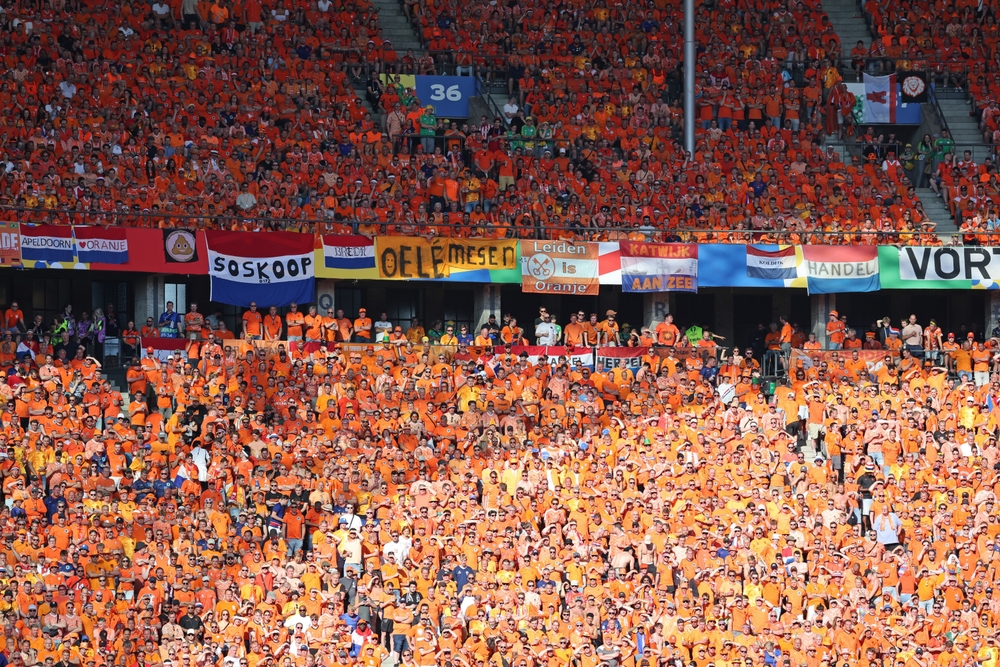
Credit: Orange Pictures / Shutterstock
With the ban on sponsorship coming into effect late this year, Dutch politicians want reassurances that bookmakers and sports organisations will not be able to circumvent the rules, as has occurred in Belgium.
Struycken believes that an amendment to the Gambling Act addressing ‘links in the advertising chain such as marketing companies and internet platforms’ will, alongside the abovementioned planned enhancement of general advertising restrictions, secure this guarantee.
“These two measures provide for a clearer advertising ban with limited exceptions, which makes circumventing the rules much more difficult,” Struycken remarked.
Wider considerations
While it may not be justified, clubs and operators do have a motivation to find ways to get around the rules, in the case of the latter to ensure continued marketing and engagement with customers.
For clubs, betting sponsorships can provide a vital source of income. This topic has been raised in multiple other markets, like Italy and the UK, where the former’s outright ban on sponsorship seems set to be lifted while in the latter a fierce debate has been raging for several years.
Struycken acknowledged the significance of sponsorship to club revenues while speaking to MPs, though the Secretary and government are overall unmoving on the topic – public safeguarding from gambling harm is its top probity when it comes to gaming regulation.
Another important factor to consider is the opinion of the Gaming Authority, the Kansspelautoriteit (KSA), itself. Earlier this week, the KSA noted that it is expecting more powers to combat illegal advertising, commenting after concluding its investigation into a Telegram-based tipster operation.

The regulator is not in favour of a full ban on advertising though, Struycken said. He told MPs: “The Ksa informed me, when asked, that it did not advocate an expansion of advertising opportunities, but two other things.”
Dutch citizens must be aware that they can gamble legally, and advertising fulfills this role, he said, stating that this is the KSA”s first opinion. Secondly, he said the KSA wants to assess a “different structure for advertising rules in which ‘all advertising is permitted provided that cumulative conditions are met’.
“Furthermore, the KSA expressed the wish that the advertising rules would apply to everyone instead of just to license holders, as is currently the case,” he said.
“In this way, the KSA can take direct action against the advertisers themselves, such as news sites or football clubs. This is in line with my intentions for changes in the area of advertising regulations.”
The KSA and Dutch government seem acutely aware of developments in their Belgian neighbour, and are working to ensure that the same thing does not occur in the Netherlands.
Dutch market stakeholders can expect the sponsorship ban in July to be enforced to a strict standard, and should make all preparations to adhere to it, as the KSA has shown time and time again it is not afraid of enforcement action.






Legal Secretary Struycken will not let operators shirk Dutch sponsorship ban
You’ve shared it!
Teun Struycken, the Dutch government minister responsible for betting regulation, has elaborated on the prospect of further restrictions around advertising amid public and political scrutiny on the topic.
Addressing MPs in the House of Representatives this week, Struycken, who serves as the Netherlands’ Legal Protections Secretary, stated that he will consider ‘whether further tightening of the rules is desirable’.
As it stands, Dutch betting firms are strictly prohibited from targeting people aged under 24 and from using ‘role models’ in advertising – these role models being athletes, celebrities and social media influencers, who have a stronger appeal to younger audiences.
From 1 July 2025 a ban on sports sponsorship will come into effect, similar to neighbouring Belgium. However, Dutch MPs appear alarmed at some instances of operators finding loopholes and ways around the ban in Belgium.
Struycken told MPs: “I cannot rule out that there are parties in the Netherlands that will try to display sponsor names or logos related to their gambling company in a similar way as in Belgium. If this happens, the Gaming Authority (Ksa) will use all legal means to prevent or stop this.”
The Netherlands betting vision
The Secretary, who assumed his role in July last year after the Dutch general election, has previously outlined his ‘vision on gambling’ and the policies around it. Regarding advertising, this vision includes ‘further limitation of advertising for online gambling to what is strictly necessary’.
This is not entirely surprising, as the regulation of online gambling in the Netherlands back in October 2021 and the re-launch of a public online marketplace expectedly led to a proliferation of betting advertising as firms competed for market share.
As with other markets like the UK, which is far more mature than the Netherlands, there has been a public backlash against this. Politicians have previously said that the public feel ‘bombarded’ by advertising, and concerns around the problem gambling and wider societal impacts have also abated.
Credit: Orange Pictures / Shutterstock
With the ban on sponsorship coming into effect late this year, Dutch politicians want reassurances that bookmakers and sports organisations will not be able to circumvent the rules, as has occurred in Belgium.
Struycken believes that an amendment to the Gambling Act addressing ‘links in the advertising chain such as marketing companies and internet platforms’ will, alongside the abovementioned planned enhancement of general advertising restrictions, secure this guarantee.
“These two measures provide for a clearer advertising ban with limited exceptions, which makes circumventing the rules much more difficult,” Struycken remarked.
Wider considerations
While it may not be justified, clubs and operators do have a motivation to find ways to get around the rules, in the case of the latter to ensure continued marketing and engagement with customers.
For clubs, betting sponsorships can provide a vital source of income. This topic has been raised in multiple other markets, like Italy and the UK, where the former’s outright ban on sponsorship seems set to be lifted while in the latter a fierce debate has been raging for several years.
Struycken acknowledged the significance of sponsorship to club revenues while speaking to MPs, though the Secretary and government are overall unmoving on the topic – public safeguarding from gambling harm is its top probity when it comes to gaming regulation.
Another important factor to consider is the opinion of the Gaming Authority, the Kansspelautoriteit (KSA), itself. Earlier this week, the KSA noted that it is expecting more powers to combat illegal advertising, commenting after concluding its investigation into a Telegram-based tipster operation.
The regulator is not in favour of a full ban on advertising though, Struycken said. He told MPs: “The Ksa informed me, when asked, that it did not advocate an expansion of advertising opportunities, but two other things.”
Dutch citizens must be aware that they can gamble legally, and advertising fulfills this role, he said, stating that this is the KSA”s first opinion. Secondly, he said the KSA wants to assess a “different structure for advertising rules in which ‘all advertising is permitted provided that cumulative conditions are met’.
“Furthermore, the KSA expressed the wish that the advertising rules would apply to everyone instead of just to license holders, as is currently the case,” he said.
“In this way, the KSA can take direct action against the advertisers themselves, such as news sites or football clubs. This is in line with my intentions for changes in the area of advertising regulations.”
The KSA and Dutch government seem acutely aware of developments in their Belgian neighbour, and are working to ensure that the same thing does not occur in the Netherlands.
Dutch market stakeholders can expect the sponsorship ban in July to be enforced to a strict standard, and should make all preparations to adhere to it, as the KSA has shown time and time again it is not afraid of enforcement action.