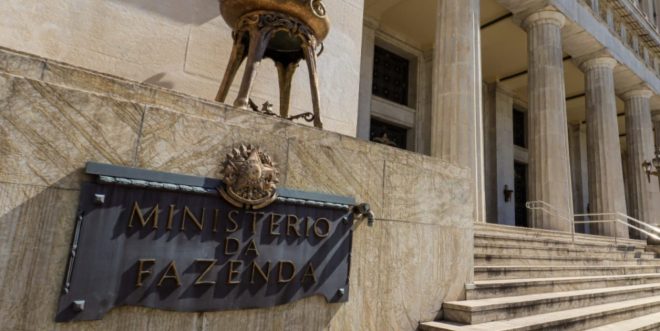
Febraban, Brazil’s Federation of National Banks, has outlined that it will work with the Ministry of Finance (MEF) and the Secretariat of Prizes and Betting (SPA) to eliminate money laundering from gambling activities.
The statement was made by Febraban President, Isaac Sidney, following a meeting with Ministry of Finance leadership and Regis Dudena, President of the SPA. Dialogue focused on safeguarding Brazil’s regulated betting sector from economic crimes amid concerns that criminal organisations are using online platforms to launder illicit funds, deemed an ‘economic liability’ impacting society.
Febraban, which represents the biggest financial institutions including Bradesco, Banco do Brasil, and Itaú, stressed the need for a coordinated “public-private action plan to prevent the misuse of digital payment systems”, such as Pix, by illegal gambling operators.
Sidney warned: “Online betting platforms are a high-risk channel for money laundering. The public sector and private institutions must act decisively to prevent organised crime from using these tools to expand their financial operations.”
He also called for immediate limits on Pix-based betting transactions: “If banning Pix is not feasible in the short term, then maximum betting limits must be established as the Central Bank already does for night-time transactions.”
The meeting brought together key representatives from Brazil’s banking AML/CTF units, including compliance directors, national managers, and security chiefs, reinforcing the sector’s alignment with federal regulators.
The discussions come as the Ministry of Finance considers increasing the Gross Gaming Revenue (GGR) tax rate on fixed-odds betting from 12% to 18%, part of a broader tax reform to boost public revenues and enhance sector transparency.
Separately, in May 2025, Febraban also met with the Associação Nacional de Jogos e Loterias (ANJL) to deepen cooperation. ANJL President Plínio Lemos Jorge warned that illegal operators pose the greatest money laundering risks. He welcomed Febraban’s support and called for closer collaboration between banks and licensed betting operators to protect market integrity.
“We must not lose sight that the real risk lies with unregulated platforms. A unified strategy between the banking sector and licensed operators is essential to build a transparent and compliant gambling ecosystem,” said Jorge.
Chamber proposes funding measure for Deaf Sports
Meanwhile, the Chamber of Deputies continues to review new legislative proposals. Among them, Bill No. 448/2024 would allocate 0.1% of online betting revenues to the Brazilian Confederation of Sports for the Deaf (CBDS), diverting part of the current funding from the Ministry of Sport.
Federal Deputy Flávia Morais (PDT-GO), the bill’s rapporteur, underscored the social value of the measure: “The CBDS plays a vital role in promoting sport among the deaf community. These resources will allow the organisation to expand its work, support more athletes, and strengthen inclusive sporting programmes across the country.”
Taken together, these developments signal Brazil’s determination to strengthen its regulatory framework as the gambling market matures — balancing increased taxation, financial compliance, and social responsibility.