The B2B marketing landscape is evolving, and quickly. So for marketers, fast adaptation to industry trends, regulatory changes and new technologies is increasingly important. But as the industry continues to develop, so too do the threats that face B2B marketing practices.
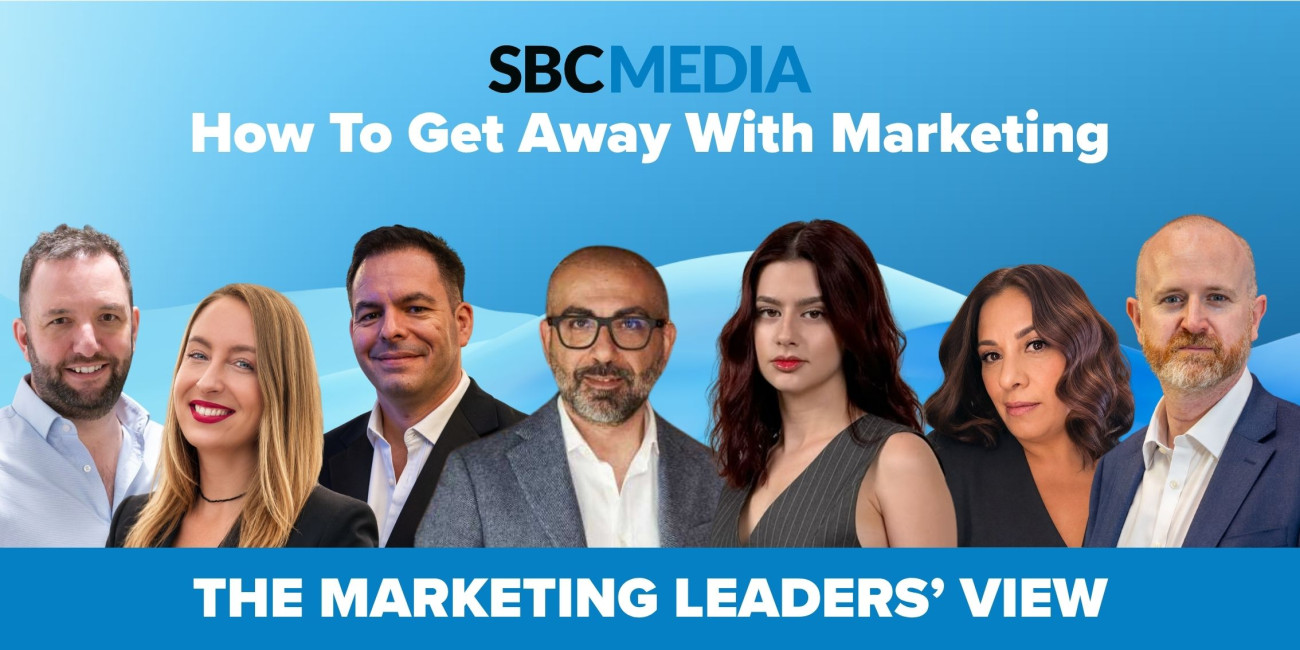
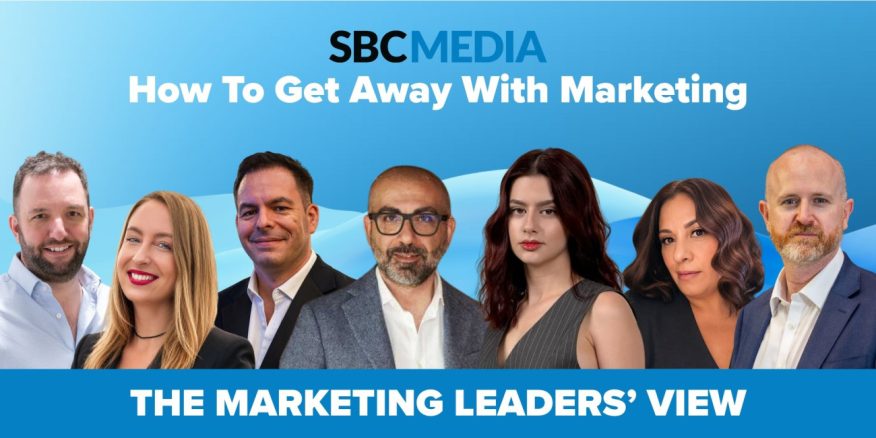
In the penultimate instalment of our Marketing Leaders series, we speak to Martin Hodges (Co-Founder and CMO, BetComply), Robin Becker (Director of B2B Marketing, Hub88), Michael Baker-Mosley (Founder, Triumph B2B), Seda Baburyan (Marketing and Partnership Manager, PartnerMatrix), Dorota Gruszka (Head of Marketing, Booming Games) and Pierre Pulis (Marketing Director, BETBY).
From a growing reliance on AI technology and losing the ‘human touch’, to demonstrating ROI across your campaigns, marketing in 2026 looks wholly different to what it did five years ago.
What are some of the biggest threats to B2B marketing?
Martin Hodges: I know a lot of people here will say AI, but I believe it’s an incredible tool if used properly. It helps you work faster and gives you more time to think. That’s where the real value is.
The real threat is when everyone starts using it to say the same thing. If every company is producing polished but generic content, brands lose their personality. That’s when marketing becomes forgettable.
I’ve also seen marketers fall into the trap of chasing numbers rather than building relationships. It’s easy to celebrate impressions and clicks, but in B2B iGaming, most business still comes from trust, reputation and conversations. I’d rather create something that starts five genuine discussions than something that reaches 50,000 people who’ll never become clients.
The biggest threat is losing the human side of marketing. B2B is still a people business. The companies that will win over the next few years are the ones that build trusted voices, encourage people to share what they know and create genuine relationships with their audience. Technology will keep evolving, but people will still buy from people they know and trust.
Robin Becker: Artificial intelligence is undoubtedly one of the biggest challenges facing B2B marketing, but not because the technology itself is a problem. The real risk is how companies choose to use it.
AI is an incredibly valuable tool that has the potential to help us improve efficiency, speeds up production and allows creative teams to work more effectively. We use it to enhance videos, generate subtitles and streamline processes that previously took much longer.
However, AI shouldn’t, and mustn’t replace human creativity. It doesn’t understand humour, memorable branding or effective naming conventions in the way people do. Those things come from human creativity and experience. Brands are built on personality – and personality comes from people, not technology.
I recently heard Todd Haushalter from Evolution make a point that really resonated with me: “You’re nothing without your brand, and your brand is your people”.
That doesn’t just mean your employees, it means the personality, relationships and culture that clients associate with your business. That’s what people connect with.
Your clients aren’t connecting with marketing content that is generated by a machine, they’re connecting with people that they have a relationship with – they want content that understands what they want and can add value. If companies rely too heavily on AI, they’ll gradually lose the individuality that makes their brands memorable.
Another major threat is the increasing pressure many businesses are under to reduce costs. Marketing is often one of the first departments affected when budgets become tighter, whether that’s due to financial pressures, changing markets or restructuring.
Some companies may choose to take a step back during these times of financial pressure – but in my view, it’s a dangerous approach because, in an overcrowded B2B market, visibility matters. If companies reduce their marketing activity too aggressively, they risk disappearing from customers’ minds. Someone else with a larger budget or stronger market presence will quickly fill that space.
Ultimately, marketing isn’t just about generating leads immediately. It’s also about maintaining long-term confidence in your brand and ensuring that you can deliver value for your partners. If customers stop seeing you at industry events, in the media or across your usual marketing channels, they might begin to question the stability of your business. That’s why companies need to view marketing as a long-term investment, rather than a cost. Maintaining brand visibility and consistency is essential if you want to remain competitive in such a crowded marketplace.
Seda Baburyan: The core threat is that the industry moves fast enough to force strategy shifts several times a year, and every shift resets the clock on proving MROI. Just as a campaign starts showing measurable return, the market changes and the strategy has to adapt again, which makes it hard to keep MROI stable over any real stretch.
That instability creates an opening brands lean on too often: labeling spend as “awareness” when the real reason is that it can’t be tied to a number. Calling something an awareness play is frequently a way to avoid admitting the spend isn’t linked to a commercial outcome.
That’s the real threat. Brands compete with each other on budget size, and when spend isn’t clearly justified against business direction, it becomes the easiest line to cut. This disconnect from the commercial purpose is what puts marketing budgets and credibility at risk every time growth targets tighten.
Michael Baker-Mosley: I think there are two big threats.
The first threat is an internal one. Too many marketing teams become siloed into a communications department. They get told what to announce, where to announce it and how that message should be communicated. The marketing team pushes that communication out and reports back on clicks and impressions. That’s not marketing—it’s distribution. Marketing is much more than that.
The biggest danger is when marketing stops owning anything of strategic value. As marketers, you need to own the customer, understand their needs and support their journey from start to finish. Marketing should understand what customers think, feel, need and value better than anyone else in the business. If marketing becomes nothing more than a communications pipeline, it becomes transactional—and transactional work is increasingly easy to automate.
There have already been instances where companies have tried to replace elements of that function with AI. Let’s be honest, that doesn’t always end well. AI can generate content, but it can’t replace genuine customer understanding or the strategic insight that comes from owning customer relationships.
The second threat is external. The barriers to building software and products are falling rapidly. AI and vibe coding mean more businesses can build platforms and products that previously required significant time and financial investment. The quality isn’t always there, but as technology continues to advance, these new-age products are becoming increasingly difficult to distinguish from legacy platforms.
That means B2B companies have to work much harder to justify why they exist. Marketers need to articulate why customers should choose them instead of building, buying or switching elsewhere.
For me, B2B marketing has spent too long focused on performance and short-term vanity metrics, and not enough time building long-term brands. The marketing teams that succeed will be the ones that own something no other department does – whether that’s customer insight, market intelligence or brand positioning. That’s what makes marketing indispensable.
Dorota Gruszka: I think one of the biggest threats to B2B marketing right now is oversaturation. There is more content being produced than ever before, across social media, trade publications, events and direct communication. In iGaming specifically, we are all competing for attention, so there is a real risk of audiences simply switching off if everything starts to feel the same.
AI will accelerate that challenge. It is an incredibly useful tool and can make marketing teams much more efficient, but it also makes it easier to produce huge volumes of content very quickly. The danger is that we end up with more content but less personality. If brands rely too heavily on the same tools, formats and trends, their communication can quickly become generic and interchangeable.
Another threat is focusing too much on short-term visibility and not enough on building a brand. It’s easy to measure clicks, impressions or engagement and assume a campaign has been successful, but in B2B those numbers don’t always translate into meaningful commercial results. Particularly for a slot provider, marketing ultimately needs to support relationships with operators, strengthen the reputation of the company and create genuine demand for the product.
I also think we shouldn’t underestimate the importance of the human element. iGaming is still a very relationship-driven industry. Events, face-to-face conversations and personal connections remain incredibly valuable. Technology can help us target audiences and communicate more efficiently, but if efficiency comes at the expense of authenticity, brands risk becoming less memorable rather than more.
For me, the biggest threat isn’t necessarily a new platform or technology. It’s becoming part of the noise. The challenge for marketers is to use all the tools available to them without losing the creativity, personality and human connection that make a brand worth paying attention to in the first place.
Pierre Pulis:I would say over saturation. Everyone is competing on a visibility point of view – you might find sites where it’s overwhelming with the amount of banners and flashy advertisements. It’s not just the digital side either, we see this at events too. Having a bigger banner or a bigger expo booth doesn’t always translate to conversion. Instead, marketers need to make more intelligent decisions on where, when and how they showcase their brand.
In 2026, everyone is showing their brand via the same channels, at the same conferences. It’s much more valuable for brands to be able to carve out a unique space and create a campaign that actually delivers value to their partners.
John Cook: One of the biggest threats I see is the growing expectation that every element of B2B marketing should demonstrate an immediate, easily attributable return. Measurement is absolutely important, particularly when budgets are under pressure, but we have to be careful: what is easiest to measure shouldn’t become what we value most.
A click is measurable. An impression is measurable. A lead generated through a campaign can be put into a spreadsheet. But what about the potential customer who has read your articles for six months, seen your team speaking at an event, engaged with your research and then finally approaches you at a conference? Which activity gets the credit?
That is the reality of B2B iGaming. Buying decisions rarely happen because somebody saw one advert and immediately signed a contract. They’re built through multiple interactions that establish familiarity, expertise and, ultimately, trust.
If marketers become too obsessed with short-term attribution, there is a danger that we optimise our strategies around the things that produce the neatest numbers rather than the things that actually influence commercial decisions. That can mean cutting investment in brand building, thought leadership and long-term media activity, because impact is harder to demonstrate on a monthly dashboard.
The solution isn’t to measure less. It’s to measure more intelligently. Marketing needs to work much more closely with sales to understand the entire customer journey and demonstrate how different touchpoints contribute to commercial outcomes.
If we only defend marketing through clicks and impressions, we make it very easy to question its value. We need to demonstrate how marketing builds the trust that eventually turns attention into revenue.