In a highly regulated industry technology creates opportunities, but people and culture determine whether you capture them.
Those that develop strong ethical practices are sure to make headway as players increasingly look for trustworthiness across all aspects of a company’s operations.
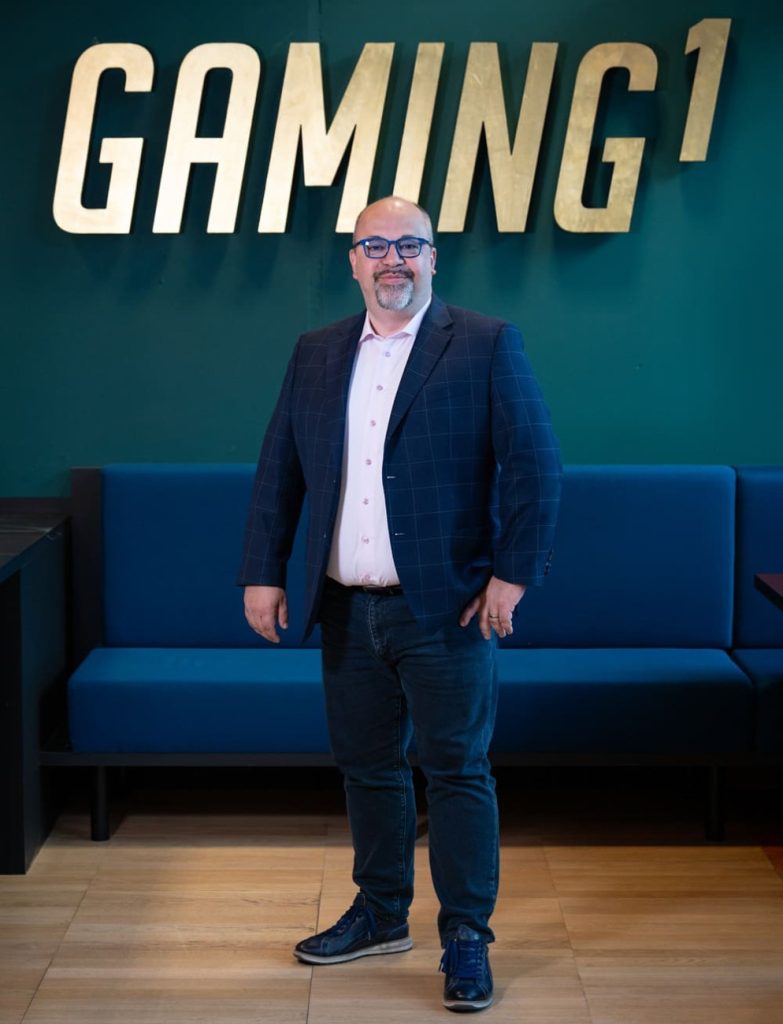
In conversation with SBC News, Gaming1 Chief Transformation and People Officer, Steven Scheers, elaborates on the importance of adopting effective HR practices, why this is a trend that will increase in prominence and what lies in store for the company itself.
The importance of adopting and demonstrating strong HR practices has never been more prevalent. With this in mind, what strategies does Gaming1 deploy?
At Gaming1, we believe that sustainable performance starts with people. Over the past year, we have focused on building a high-performance culture based on three pillars: talent density (recruiting the best), talent management (developing and engaging our people), and reward.
We have invested heavily in clarifying roles and accountabilities, introducing career ladders, strengthening leadership capabilities, and improving the transparency of our reward practices. We also selected Workday as our future HR platform because we believe that better data leads to better decisions.
Our objective is simple: create an environment where people understand what is expected of them, receive regular feedback, and are rewarded fairly for their contribution. When those elements are in place, performance follows naturally.
What do you think lies behind this rise in prevalence across the industry?
The gaming industry has matured significantly. Ten years ago, success was often driven by product innovation, marketing, or market access. Today, those remain important, but they are no longer enough.
Most regulated operators have access to similar technologies, similar products, and similar customer acquisition channels.
The real differentiator has become execution.
Execution comes from people, leadership, culture, and organisational capabilities. Companies have realised that strong HR practices are not a support function; they are a competitive advantage. In Gaming1, it has led to the decision that HR is the driver for transformational change.
At the same time, regulators, employees, and society have higher expectations regarding transparency, ethics, diversity, well-being, and responsible gaming. As a result, people’s practices have moved from the periphery of the business to the centre of the strategic agenda.
Do you believe that players have a preference for opting to wager with companies that adopt strong, ethical practices, and why?
Absolutely.
Most players may not actively analyse an operator’s HR policies, but they do experience the consequences of them.
Companies that invest in ethics, responsible gaming, employee engagement, and compliance tend to make better decisions, provide a better customer experience, and create more trust.
In a regulated market, trust is everything.
The operators that will succeed in the long term are those that combine entertainment with responsibility. We should never forget that our licence to operate ultimately depends on the trust of players, regulators, and society.
Why is building such strong HR and tech capabilities a key to success for European regulated operators?
Because regulation creates complexity.
European operators need to comply with a growing number of legal, fiscal, technical, and responsible gaming requirements. Also, the growth of the illegal market creates challenges for all stakeholders.
Managing that complexity requires both talented people and robust technology.
Technology allows us to automate, scale, and improve consistency. HR ensures that we attract, develop, and retain the people capable of operating in such an environment.
I often say that technology is an accelerator and with AI, the magnitude and speed is exponential. It amplifies what already exists. If you have weak processes and weak leadership, technology will simply help you fail faster.
If you have strong people, clear processes, and a high-performance culture, technology becomes a tremendous competitive advantage.
How does Gaming1 create a cultural environment that allows people to thrive?
We believe that people thrive when they have three things: clarity (line of sight), feedback, and opportunity.
Clarity means understanding what success looks like. What is expected from me?
Feedback means knowing where you stand and how you can improve.
Opportunity means being able to grow and develop your career.
At Gaming1, we have invested heavily in creating line of sight between strategy and individual contribution. We want employees to understand how their work contributes to the success of the company. Our reward system is also built on it.
We also encourage open dialogue. Feedback should not be an annual event. It should be a daily habit and not focused on the past but on the future. How can we help you to get better?
Finally, we invest in learning, leadership development, and internal mobility because people stay longer and perform better when they continue to grow.
How does Gaming1 ensure that those joining the company will seamlessly integrate with your culture?
Recruitment is one of the most important strategic processes in any organisation. Skills matter, but cultural fit matters just as much.
We assess candidates not only on what they have done, but also on how they achieved their results. We look for people who demonstrate accountability, adaptability, teamwork, curiosity, and a willingness to challenge themselves.
Once they join, we invest heavily in onboarding. We explain our strategy, our values, our expectations, and the behaviours that define success within Gaming1.
In my experience, culture is not taught through presentations. It is learned through daily interactions with leaders and colleagues. That is why leadership consistency is so important. We, as leaders, need to walk the talk.
What lies ahead for the company in strengthening its own recruitment techniques?
The future of recruitment will be increasingly data-driven and AI-enabled, but it will remain fundamentally human.
We are investing in better talent identification, stronger assessment methods, and more proactive talent pipelines. We also want to become more effective at identifying potential, not just experience. Workday will help us automate part of the process.
One of our priorities is increasing talent density across the organisation. We want to attract people who can challenge us, bring new ideas, and help us grow faster than the market.
Ultimately, recruitment is not about filling vacancies. It is about building the organisation you want to become.
The companies that win in the future will not necessarily be those with the biggest budgets. They will be those that attract, develop, and retain the best talent.