The UK Gambling Commission will go forward with the implementation of a revised compliance framework for land-based gaming machines.
Changes are based on a consultation paper launched last year that collected a total of 1,065 responses. The topics covered included the Gaming Machine Technical Standards (GMTS), the Gaming Machine Testing Strategy, and the Licence Conditions and Codes of Practice (LCCP).
Today’s response to the consultation confirms that the Commission will go through with a number of changes, although with some modifications applied as a result of the amassed reactions.
Most importantly, existing gaming machines will be excluded from the new standards given the concerns raised with the Commission about the high costs of the technical changes that businesses would’ve otherwise had to incur.
New responsible game design
Starting 30 June 2027, new category B gaming machines will have to incorporate a number of responsible gaming design features to remain compliant with GMTS and LCCP standards.
In particular, manufacturers and operators will need to ensure that their machines are fitted with improved access to gambling management tools and seasonal information available to each player – displaying total playing time and the net position in real-time.
Furthermore, the new standards will require games and machines to only display celebratory mechanics only if the award is higher than the stake size, and will fully prohibit the option to initiate a turbo spin, a quick spin, or a ‘slam stop’.
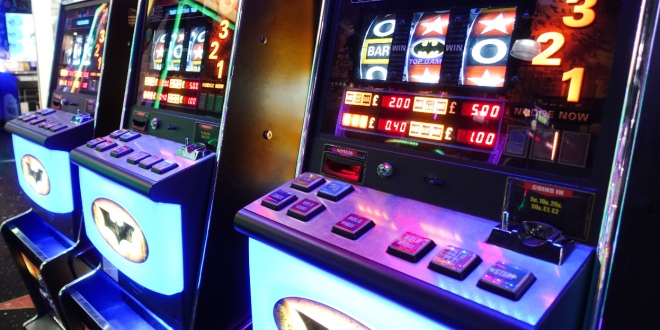
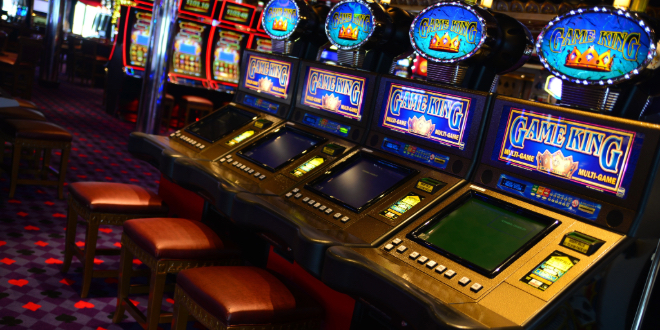
The changes will affect category B2 machines (fixed-odds betting terminals), B3/B4 fruit/slot-style machines, and B1 casino machines.
Different approach to session play
Further changes announced by the Commission will see the definition of a ‘session’ amended so that it correctly reflects the time of actual gameplay, rather than engagement with any other unrelated machine mechanic – be it depositing, menu interaction, or other.
Graham Burgin, Commission Policy Senior Manager, explained that this would mitigate unnecessary break triggers that could in theory activate even before a game session has started.
Break triggers tied to risk thresholds
Regarding the breaks themselves, the Commission added that new machines will have to feature a graduate break escalation mechanic. In practice, this means that the current default break time of 30 seconds will be scrapped when a player hits their first and second session limits.
Instead, the first threshold will need to be followed by a 10-second break, while the second threshold will then trigger a 20-second break. After that, the break times will return to the current default.
Also of note, land-based staff alerts regarding customer play will only be sent after the second session time limit is reached. The Commission believes that staff resources will therefore be better distributed towards customer interactions where there is greater risk.
In addition, once a break is triggered, players will be able to actively choose to hide the above-mentioned elapsed time and net position information displayed on their screens, “supporting the policy intention whilst empowering consumers to address privacy concerns as they see fit”, the Commission added.
Rollout dates confirmed
All changes will be adopted across three stages. The revised session definition will come into effect on 30 March 2027, with the bulk of the other amendment coming into force on 30 June 2027.
Staff alerts changes will be the latest to come into effect on 3 October 2028, with the commission adding that “an extended implementation timeline is fair and proportionate in recognition of the technical challenges and process changes associated with delivering an appropriate solution”.