
The UK Gambling Commission (UKGC) will review how commercial restrictions are used by licensed operators on UK betting accounts.
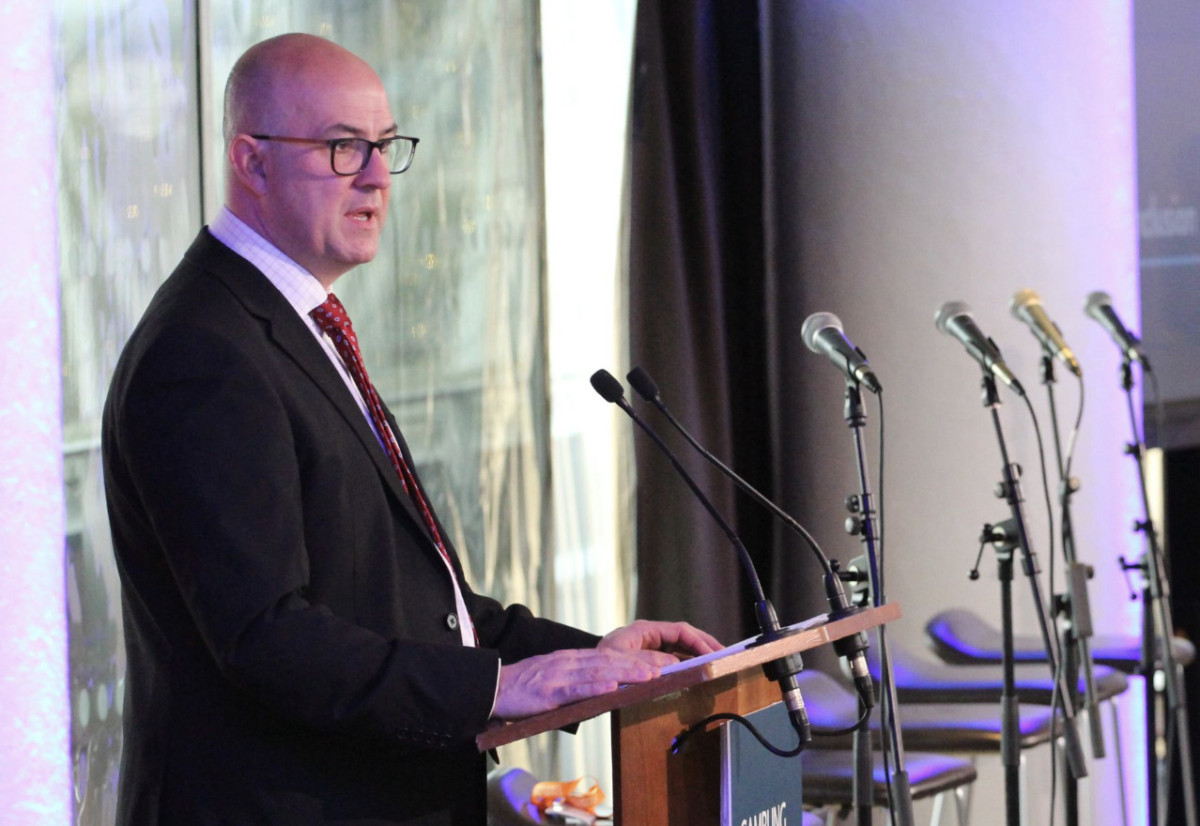
Announced by CEO Andrew Rhodes, the Commission emphasised that the regulator does not intend to intervene in how licensees manage their commercial liabilities.
Source: UKGC
However, he said that the UKGC requires improved insight into how commercial restrictions are applied, to ensure the gambling market remains fair and transparent to consumers.
“The practice of bookmakers placing commercial restrictions on customers has long been a source of contention between impacted consumers and gambling operators,” Rhodes explained.
The Gambling Act Review’s White Paper presented no changes on the matter of commercial restrictions, as the UKGC maintains that “operators are entitled to act in their commercial interests and manage liabilities.”
However, in its effort to better understand current market dynamics, in early 2025 the UKGC issued a data request to major online betting firms, covering almost 15 million customer accounts.
As anticipated, the data showed that the application of stake or wagering limits were the most common application by operators, imposed on 2.68% of active accounts and 62.17% of restricted accounts.
The Commission noted that 643,779 customer accounts had been restricted in some form, representing 4.31% of the total active accounts surveyed. This figure includes a range of restrictions, with some accounts subject to multiple types of limitations.
Further measures included account closures, which affected 2.23% of active accounts and accounted for over half of all restricted accounts. In some cases, operators imposed a 0.00 stake factor — effectively blocking any bets from being placed, impacting 0.83% of accounts. More targeted restrictions, such as limiting bets on specific markets like horse racing, were rare and applied to just 0.25% of customers.
On the severity of stake factor restrictions, the data highlighted notable variation. A small proportion of stake-factored customers — just over 6% — were limited to between 90% and 100% of the standard maximum stake. Another 7.5% fell into the 50–89% range, while the largest shares were in the mid to severe brackets: 29.43% were limited to between 10% and 49%, and 36.22% faced reductions to between 1% and 9%.
Strikingly, 22.41% of restricted accounts were limited to stakes of less than 1%, rendering those accounts practically inoperable. These disparities show that while the term ‘stake factoring’ applies broadly, its impact on customers can range from marginal to exclusionary.
Further consultations with operators are needed, as the UKGC seeks to assess market fairness, restore consumer trust, and prevent practices that may push consumers towards black market operators.
Rhodes noted: “We do need to understand the role that commercial restrictions may be playing in pushing customers to illegal gambling operators and driving customer behaviours such as ‘multi-accounting’, which undermine wider controls designed to prevent crime, protect consumers, and identify integrity threats.”
On the matter of commercial restrictions, the UKGC stated that further engagement is needed between regulatory policy teams and industry stakeholders. It will continue to assess how these practices impact its statutory objectives of ensuring fair gambling, crime prevention, and consumer protection.
As yet, the UKGC has not presented the technical remit for a consumer ombudsman for UK gambling, as proposed by the White Paper’s reform of the Gambling Act. The ombudsman is expected to provide binding determinations on disputes between operators and customers.
By contrast, in jurisdictions such as France and Spain, sports betting licensees are not permitted to impose stake restrictions on individual customers, a mandate overseen by Consumer Affairs agencies.