
Bettina Sommer: Dimoco
Bettina Sommer SVP of sales at DIMOCO, says the German regulator’s efforts to curtail the black market using payment blocking are commendable. However, she argues it must also facilitate the faster adoption of new payment methods for licensed operators
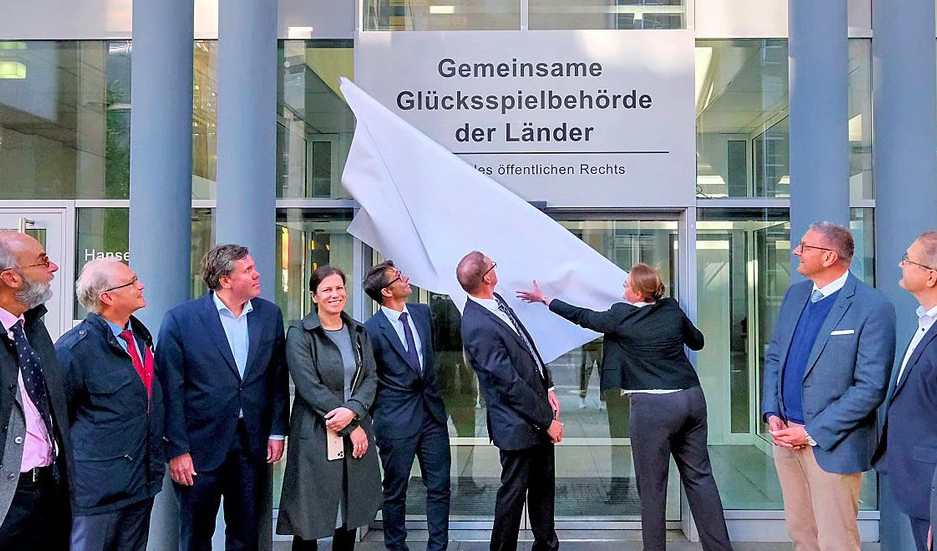
The annual report published by Germany’s Gemeinsame Glücksspielbehörde der Länder (GGL) last month contained some encouraging data on the regulator’s actions to drive black market operators from the market.
The GGL revealed that 459 illegal gambling websites were no longer accessible to players due to prohibition orders, with a further 657 geo-blocked. This is good news for licensed igaming operators, which have been struggling to compete with Germany’s black market.
The GGL report said unlicensed operators accounted for 25% of the market, but many commentators believe the true percentage is significantly higher and the regulator itself conceded combating illegal operators was “challenging”.
The GGL’s enforcement work also included payment blocking, leading to 43 payment providers pulling their services from black market operators last year, affecting 53 operators and 165 websites.
It’s laudable that the GGL has recognised the central role payments play in facilitating igaming and thus stepped up its efforts to restrict unlicensed operators from accessing payment providers. But it needs to do more on this front – it also needs to make it easier for legal operators to jump on emerging payment trends and add new payment methods.
Barriers to entry
The German market is unusual in that the regulator needs to approve the payment methods used in igaming and to compound the issue, it’s not payment providers which directly seek authority from the GGL, but rather the operators wanting to integrate them.
Given operators know the GGL’s processes are time-consuming and bureaucratic, many are reluctant to take on the task of pushing a new payment method through.
Before we teamed up with NEO.bet to secure authorisation for our direct carrier billing solution, we had conversations with several other companies. There was much enthusiasm for the payment method, but very little for taking on the GGL.
Having taken a total of five years from initial talks to recently receiving formal approval for our offering, operators’ reluctance is perhaps understandable. Why attempt such a rigorous undertaking when one could instead benefit from a second- or third-mover advantage?
The problem is that this leaves the German igaming market with relatively few payment options. If German behaviour was the same as that of the British population in terms of payments, this may not be such an issue. UK payments are so heavily dominated by cards that an online gambling company could probably succeed offering only cards.
But Germans have very different payment preferences to Brits and also to many other Europeans. For one thing, they have an enduring love of cash. While Worldpay’s Global Payments Report revealed that globally, the use of cash for point of sale transactions had fallen to just 15% last year, in Germany it was 35%. This compared to 10% in the UK and 12% in France, and goes some way to explaining why WorldPay still classifies Germany as a high-cash use market.
In general, and for igaming transactions in particular, digital wallets and account to account (A2A) transfers dominated German e-commerce payments last year.
A shifting ecosystem
However, the local landscape has recently changed with the removal of the popular Giropay A2A method last year. Though the idea was that it would be replaced by the pan-European Wero, so far there’s been little take-up in Germany.
When this shift is combined with the continued popularity of cash, it’s easy to see why many think the German market is ripe for payment disruption. That’s certainly something we believe and a reason we’ve been increasing the industries our direct carrier billing solution is available to across Germany. The mobile operators seem to be taking a similar view, as evidenced by the joint brand Zahl einfach per Handyrechnung (simply pay via mobile phone bill).
But whether it’s carrier billing or another product that piques the interest of Germans and perhaps even finally tempts them away from cash, igaming operators need to be able to adopt it quickly to stay competitive.
Carrier billing specifically is unlikely to ever be available to black market outfits thanks to the regulatory requirements of mobile network operators, but other new payment methods almost certainly will be.
The GGL’s annual report is proof that many payment services providers, whether knowingly or not, do work with illegal outfits, albeit it seems such relationships are often severed once the regulator becomes involved.
Given they face no bureaucratic approval processes, black market operators can quickly integrate any new payment methods they believe will appeal to German players. Yet it could take years for licensed companies to secure authorisation to adopt those same methods. During this period, black market operators could gain further advantages over the regulated market simply by allowing German players to pay the way they want.
When releasing its annual report, the GGL’s CEO Ronald Benter said: “Our stated goal is to make the business model of illegal providers unattractive through a comprehensive package of measures.”
I would argue it’s equally important the regulator assists licensed operators to become more attractive. Having an approval process that enables them to keep pace with consumers’ changing payment preferences is a vital part of this.








Germany’s GGL needs smarter payment strategy against the black market
You’ve shared it!
Bettina Sommer: Dimoco
Bettina Sommer SVP of sales at DIMOCO, says the German regulator’s efforts to curtail the black market using payment blocking are commendable. However, she argues it must also facilitate the faster adoption of new payment methods for licensed operators
The annual report published by Germany’s Gemeinsame Glücksspielbehörde der Länder (GGL) last month contained some encouraging data on the regulator’s actions to drive black market operators from the market.
The GGL revealed that 459 illegal gambling websites were no longer accessible to players due to prohibition orders, with a further 657 geo-blocked. This is good news for licensed igaming operators, which have been struggling to compete with Germany’s black market.
The GGL report said unlicensed operators accounted for 25% of the market, but many commentators believe the true percentage is significantly higher and the regulator itself conceded combating illegal operators was “challenging”.
The GGL’s enforcement work also included payment blocking, leading to 43 payment providers pulling their services from black market operators last year, affecting 53 operators and 165 websites.
It’s laudable that the GGL has recognised the central role payments play in facilitating igaming and thus stepped up its efforts to restrict unlicensed operators from accessing payment providers. But it needs to do more on this front – it also needs to make it easier for legal operators to jump on emerging payment trends and add new payment methods.
Barriers to entry
The German market is unusual in that the regulator needs to approve the payment methods used in igaming and to compound the issue, it’s not payment providers which directly seek authority from the GGL, but rather the operators wanting to integrate them.
Given operators know the GGL’s processes are time-consuming and bureaucratic, many are reluctant to take on the task of pushing a new payment method through.
Before we teamed up with NEO.bet to secure authorisation for our direct carrier billing solution, we had conversations with several other companies. There was much enthusiasm for the payment method, but very little for taking on the GGL.
Having taken a total of five years from initial talks to recently receiving formal approval for our offering, operators’ reluctance is perhaps understandable. Why attempt such a rigorous undertaking when one could instead benefit from a second- or third-mover advantage?
The problem is that this leaves the German igaming market with relatively few payment options. If German behaviour was the same as that of the British population in terms of payments, this may not be such an issue. UK payments are so heavily dominated by cards that an online gambling company could probably succeed offering only cards.
But Germans have very different payment preferences to Brits and also to many other Europeans. For one thing, they have an enduring love of cash. While Worldpay’s Global Payments Report revealed that globally, the use of cash for point of sale transactions had fallen to just 15% last year, in Germany it was 35%. This compared to 10% in the UK and 12% in France, and goes some way to explaining why WorldPay still classifies Germany as a high-cash use market.
In general, and for igaming transactions in particular, digital wallets and account to account (A2A) transfers dominated German e-commerce payments last year.
A shifting ecosystem
However, the local landscape has recently changed with the removal of the popular Giropay A2A method last year. Though the idea was that it would be replaced by the pan-European Wero, so far there’s been little take-up in Germany.
When this shift is combined with the continued popularity of cash, it’s easy to see why many think the German market is ripe for payment disruption. That’s certainly something we believe and a reason we’ve been increasing the industries our direct carrier billing solution is available to across Germany. The mobile operators seem to be taking a similar view, as evidenced by the joint brand Zahl einfach per Handyrechnung (simply pay via mobile phone bill).
But whether it’s carrier billing or another product that piques the interest of Germans and perhaps even finally tempts them away from cash, igaming operators need to be able to adopt it quickly to stay competitive.
Carrier billing specifically is unlikely to ever be available to black market outfits thanks to the regulatory requirements of mobile network operators, but other new payment methods almost certainly will be.
The GGL’s annual report is proof that many payment services providers, whether knowingly or not, do work with illegal outfits, albeit it seems such relationships are often severed once the regulator becomes involved.
Given they face no bureaucratic approval processes, black market operators can quickly integrate any new payment methods they believe will appeal to German players. Yet it could take years for licensed companies to secure authorisation to adopt those same methods. During this period, black market operators could gain further advantages over the regulated market simply by allowing German players to pay the way they want.
When releasing its annual report, the GGL’s CEO Ronald Benter said: “Our stated goal is to make the business model of illegal providers unattractive through a comprehensive package of measures.”
I would argue it’s equally important the regulator assists licensed operators to become more attractive. Having an approval process that enables them to keep pace with consumers’ changing payment preferences is a vital part of this.