Your article was successfully posted to your social media. Want to share more? Go ahead!
Credit: tete_escape / Shutterstock
There is no doubt that discourse around gambling advertising has seemed to increase substantially recently, and with good reason too.
However, SBC News Business Journalist Patrick Killeen argues that UK gambling ad reformists may have bigger fish to fry when it comes to tackling operators’ marketing…
The discourse around gambling advertising in the UK has ramped up in recent months, yet the government seems to be ominously quiet.
It’s hardly like the conversations around the sector have died down.
There is the upcoming voluntary front-of-shirt sponsorship ban in the Premier League, calls from the gambling industry to put an end to unlicensed operators advertising in sport, and cries from gambling reform lobbyists over ‘limited’ action, to name a few notable examples.
“I’ve had it up to here with Danny Dyer’s commercials for Paddy Power,” she wrote.
“The UK needs to take a tip from Amsterdam and rein in its advertisers. If I could ban only one type of advertising, I’d go after gambling.”
The freelance writer went on to call adverts “grotesquely disingenuous and cynical, making out that high street slot shops and online gaming sites are all razzle-dazzle and sparkle” and added that both the celebrities involved in the advertising “should be ashamed, along with the companies who illegally targeted ads at problem gamblers”.
Gambling ad concerns aren’t unfounded
Beddington’s comments are of course correct. Adverts from the industry generally paint a picture of luxury and high-stakes action, when in fact gambling can have a much more mundane, and sometimes darker side to it.
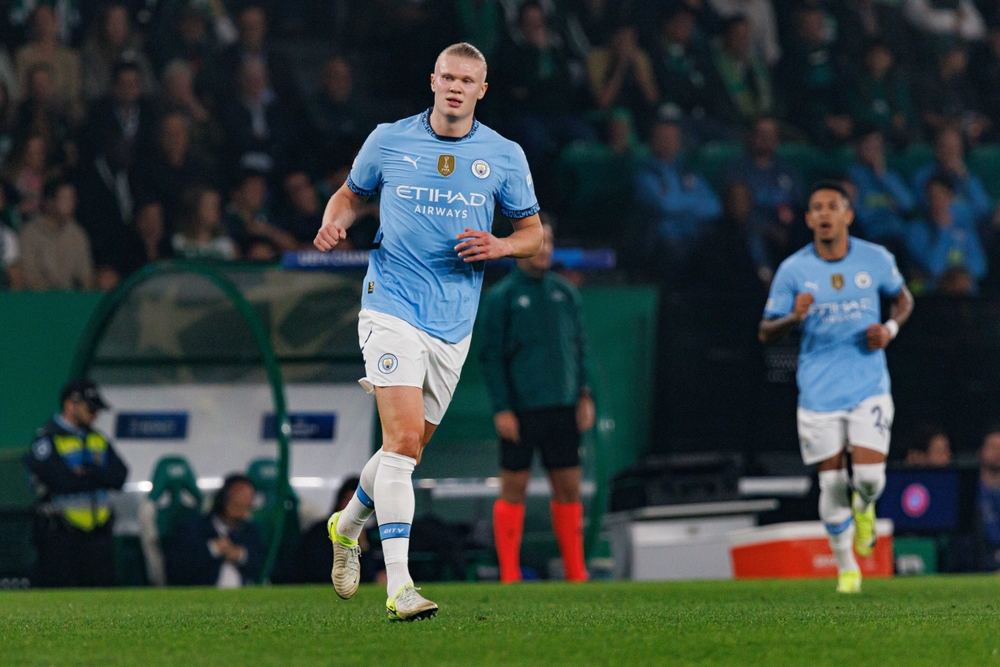
The sheer volume of gambling advertising is, ultimately, a rightful cause for concern for many. Next time you watch a Premier League match, take a note of just how many iGaming brands are on display.
Yet while there are clear causes for concern about the regulated industry’s advertising dominance in sport, it is of this writer’s opinion that there is a much larger danger – unlicensed operators’ marketing approaches on social media.
A ban on unlicensed operators sponsoring Premier League clubs, or sporting sides in general in the UK, is yet to come into place.
All the while, advertising spend from the black market continues to increase, with the Betting and Gaming Council (BGC) drawing on WARC research which estimates that unregulated advertising spend will surpass that of regulated operators, reaching £1bn by 2028.
It has become commonplace for regulated operators in the UK to use the growth of the black market as a reason for depleting profits, particularly since the Autumn Budget was announced back in November 2025.
But the proliferation of the black market can also be seen, in a much more concerning manner one may add, across social media platforms.
A ‘lesser dangerous’ example is the creation of what looks to be bot/AI accounts which continually reply to X posts from big sporting accounts with generic replies.
Santeda-owned Velobet is a prime culprit of this. From 30 seconds of research, an account was found under the handle @VeloBet_Promo, which has tweeted over 900 times since its inception in February 2026, replying to accounts such as Football on TNT Sports and BBC’s Match of the Day.
One such example of a generic reply from said account is this response to predictions market platform Polymarket regarding Xabi Alonso’s chances of becoming the next Chelsea FC manager: “Chelsea fans paying for another “new era” while Alonso’s name gets priced up, classic.”
@VeloBet_Promo. Credit: X
What this means – my guess is as good as yours. ‘Not much’ is probably the answer.
But this persistent presence on mainstream accounts gives the account promoting an unlicensed operator impressions.
Enter the guerilla tactics adverts age
More downright disturbing examples of social media marketing come from Anjouan-licensed Duel, which has garnered millions of impressions from its casino videos being shared online.
From a brief look on social media platform X, viewers can find videos of dealers using racist language, dressing up as Nazis, and performing acts of assault whilst sat at a blackjack table. Whilst such acts have been debunked and found to be actors performing, this is not a joke.
Duel casino clips. Credit: X
These processes are often referred to as ‘clip farming’ – someone doing something intentionally outrageous just to get clipped and shared.
There have also been examples of fake ‘magic tricks’ for money, as well as casinos falsifying image rights by using AI.
“To any of the doubters over the moral character of black market operators targeting UK players; here is a little glimpse of what we’re up against, dare I say, what we have collectively help[ed] create,” he wrote on LinkedIn last week.
“We have to come together to fight this!”
My first impressions of gambling came from adverts which included Ray Winstone’s giant disembodied floating head offering a price on Cristiano Ronaldo to score first, or the former Soccer Saturday team of Jeff Stelling, Phil Thompson, Matt Le Tissier, Charlie Nicholas and Phil Thompson promoting Sky’s Super 6.
Yes, there are issues with teenagers, and sometimes children even younger, being exposed to this sort of material.
Yet some teenagers’ first impressions of gambling in 2026 are the type of content mentioned above, but there seems to be a serious void in addressing this.
As has already been said, there are no doubt issues with just how much advertising is visible from the regulated industry, particularly in the world of sport, as well as issues with the ways in which betting is portrayed.
But surely there has to be some focus on putting an end to this egregious content being plastered all over social media sites by black market operators and their cheerleaders.
There are no doubts that this will be a monumental task, particularly when considering cross-border issues.
However, it is of this writer’s opinion that there needs to be a clear focus on abolishing this chaotic proliferation of the black market, perhaps before dedicating time to banning gambling advertising by licensed operators.
Want to hear more stories like this? Check out the new SBC Media YouTube Channel, the new home of all things multimedia at SBC, where our team deep-dives into the biggest stories from across the sports betting, iGaming, affiliate and payments industries.



When is the UK going to address the glaring problem with black market advertising?
You’ve shared it!
There is no doubt that discourse around gambling advertising has seemed to increase substantially recently, and with good reason too.
However, SBC News Business Journalist Patrick Killeen argues that UK gambling ad reformists may have bigger fish to fry when it comes to tackling operators’ marketing…
The discourse around gambling advertising in the UK has ramped up in recent months, yet the government seems to be ominously quiet.
It’s hardly like the conversations around the sector have died down.
There is the upcoming voluntary front-of-shirt sponsorship ban in the Premier League, calls from the gambling industry to put an end to unlicensed operators advertising in sport, and cries from gambling reform lobbyists over ‘limited’ action, to name a few notable examples.
But genuine action since the formation of Baroness Twycross’ Illegal Gambling Taskforce has been few and far between, except for the rehashed consultation on banning unlicensed operators’ sponsorships.
A recent op-ed penned yesterday by Guardian Columnist Emma Beddington is the latest public call for an end to gambling advertising.
“I’ve had it up to here with Danny Dyer’s commercials for Paddy Power,” she wrote.
“The UK needs to take a tip from Amsterdam and rein in its advertisers. If I could ban only one type of advertising, I’d go after gambling.”
The freelance writer went on to call adverts “grotesquely disingenuous and cynical, making out that high street slot shops and online gaming sites are all razzle-dazzle and sparkle” and added that both the celebrities involved in the advertising “should be ashamed, along with the companies who illegally targeted ads at problem gamblers”.
Gambling ad concerns aren’t unfounded
Beddington’s comments are of course correct. Adverts from the industry generally paint a picture of luxury and high-stakes action, when in fact gambling can have a much more mundane, and sometimes darker side to it.
The sheer volume of gambling advertising is, ultimately, a rightful cause for concern for many. Next time you watch a Premier League match, take a note of just how many iGaming brands are on display.
Yet while there are clear causes for concern about the regulated industry’s advertising dominance in sport, it is of this writer’s opinion that there is a much larger danger – unlicensed operators’ marketing approaches on social media.
A ban on unlicensed operators sponsoring Premier League clubs, or sporting sides in general in the UK, is yet to come into place.
All the while, advertising spend from the black market continues to increase, with the Betting and Gaming Council (BGC) drawing on WARC research which estimates that unregulated advertising spend will surpass that of regulated operators, reaching £1bn by 2028.
It has become commonplace for regulated operators in the UK to use the growth of the black market as a reason for depleting profits, particularly since the Autumn Budget was announced back in November 2025.
But the proliferation of the black market can also be seen, in a much more concerning manner one may add, across social media platforms.
A ‘lesser dangerous’ example is the creation of what looks to be bot/AI accounts which continually reply to X posts from big sporting accounts with generic replies.
Santeda-owned Velobet is a prime culprit of this. From 30 seconds of research, an account was found under the handle @VeloBet_Promo, which has tweeted over 900 times since its inception in February 2026, replying to accounts such as Football on TNT Sports and BBC’s Match of the Day.
One such example of a generic reply from said account is this response to predictions market platform Polymarket regarding Xabi Alonso’s chances of becoming the next Chelsea FC manager: “Chelsea fans paying for another “new era” while Alonso’s name gets priced up, classic.”
What this means – my guess is as good as yours. ‘Not much’ is probably the answer.
But this persistent presence on mainstream accounts gives the account promoting an unlicensed operator impressions.
Enter the guerilla tactics adverts age
More downright disturbing examples of social media marketing come from Anjouan-licensed Duel, which has garnered millions of impressions from its casino videos being shared online.
From a brief look on social media platform X, viewers can find videos of dealers using racist language, dressing up as Nazis, and performing acts of assault whilst sat at a blackjack table. Whilst such acts have been debunked and found to be actors performing, this is not a joke.
These processes are often referred to as ‘clip farming’ – someone doing something intentionally outrageous just to get clipped and shared.
There have also been examples of fake ‘magic tricks’ for money, as well as casinos falsifying image rights by using AI.
One example of this, an AI generated video featuring fake imagery of Diary of a CEO podcast host Steven Bartlett, was called out by Savvas Fellas, Founder and Chief Executive Officer of Mr Q.
“To any of the doubters over the moral character of black market operators targeting UK players; here is a little glimpse of what we’re up against, dare I say, what we have collectively help[ed] create,” he wrote on LinkedIn last week.
“We have to come together to fight this!”
My first impressions of gambling came from adverts which included Ray Winstone’s giant disembodied floating head offering a price on Cristiano Ronaldo to score first, or the former Soccer Saturday team of Jeff Stelling, Phil Thompson, Matt Le Tissier, Charlie Nicholas and Phil Thompson promoting Sky’s Super 6.
Yes, there are issues with teenagers, and sometimes children even younger, being exposed to this sort of material.
Yet some teenagers’ first impressions of gambling in 2026 are the type of content mentioned above, but there seems to be a serious void in addressing this.
On top of this, a 2024 Ofcom study found that less than half (48%) of 16-24-year-olds are watching broadcast TV in an average week. Why? Because they are switching to video-streaming platforms.
Video-streaming platforms like YouTube, but also those like TikTok, and maybe more pertinently, ones like Twitch and Kick.
These sites host live streams of influencers playing slots and again painting gambling in a disingenuous way, and Kick in particular has been known to host streams blatantly advertising unlicensed platforms.
To compound this worry, Alex Wood, who recently undertook black market research commissioned by Flutter Entertainment, found that under-18s would actually be able to sign up to some of these operators.
Two wrongs don’t make a right…
As has already been said, there are no doubt issues with just how much advertising is visible from the regulated industry, particularly in the world of sport, as well as issues with the ways in which betting is portrayed.
Licensed gambling operators have time and time again proven to be no saints, with one of the latest examples of this being William Hill refusing to pay out customers who were the beneficiaries of a jackpot error.
But surely there has to be some focus on putting an end to this egregious content being plastered all over social media sites by black market operators and their cheerleaders.
The UK government has allocated £26m in funding to the Gambling Commission (GC) to combat illegal, unlicensed gambling operators over the next three years.
In addition, the GC is searching for a Head of Illegal Markets, who will be paid an annual wage of £65,000, further showing some form of commitment to tackling these glaring issues.
There are no doubts that this will be a monumental task, particularly when considering cross-border issues.
However, it is of this writer’s opinion that there needs to be a clear focus on abolishing this chaotic proliferation of the black market, perhaps before dedicating time to banning gambling advertising by licensed operators.
Want to hear more stories like this? Check out the new SBC Media YouTube Channel, the new home of all things multimedia at SBC, where our team deep-dives into the biggest stories from across the sports betting, iGaming, affiliate and payments industries.